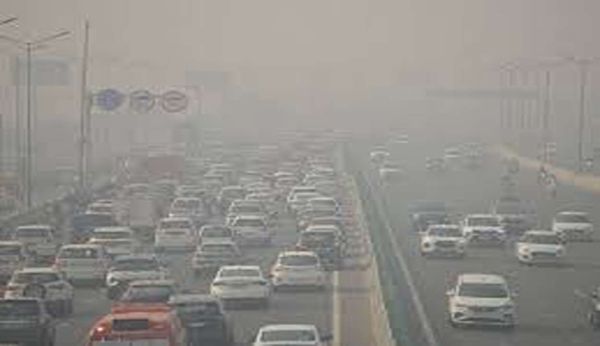
Delhi’s Air Quality: Delhi once again woke up to worrying environmental conditions as air pollution levels remained in the very poor category. Early morning data showed that although there was a slight improvement compared to the previous day, the overall air quality situation in the national capital continued to pose serious concerns for public health and daily life. The persistence of polluted air highlights the ongoing struggle between seasonal weather patterns, urban emissions, and the effectiveness of regulatory actions.
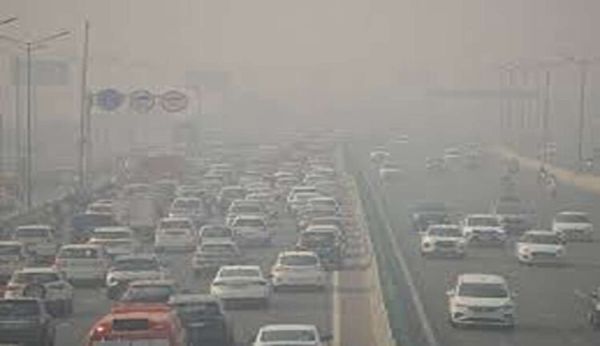
Current Air Quality Status in the National Capital
According to data released by the Central Pollution Control Board, the Air Quality Index in Delhi was recorded at 341 around 7 am on Wednesday. This reading firmly placed the city in the very poor category, indicating a level of pollution that can cause respiratory discomfort to most people and serious health effects for sensitive groups. While this figure marked an improvement from the previous morning, when AQI levels were close to 400, it did little to ease concerns, as pollution levels remained far above acceptable limits.
Health Implications of Prolonged Air Pollution
Extended exposure to very poor air quality can have severe consequences, especially for vulnerable populations. Children, senior citizens, and individuals suffering from asthma, bronchitis, or other respiratory and cardiac conditions face heightened risks. Symptoms such as coughing, throat irritation, shortness of breath, and eye discomfort become more common during such periods. Long-term exposure may also contribute to chronic respiratory diseases, reduced lung function, and an increased risk of cardiovascular complications, making the situation particularly alarming for a densely populated city like Delhi.
Pollution Hotspots Across Delhi
Several areas across the capital reported consistently high AQI readings, reflecting how widespread the problem has become. Localities such as Anand Vihar and Ashok Vihar recorded AQI levels close to 388, while Wazirpur stood at 386. Other prominent areas, including Punjabi Bagh, RK Puram, Bawana, ITO, Chandni Chowk, and Dwarka Sector 8, also remained in the very poor category. These readings suggest that pollution is not confined to industrial zones or traffic-heavy corridors alone, but has spread across residential, commercial, and central parts of the city.
Understanding AQI Categories and Their Meaning
The Air Quality Index is a standardized system used to communicate how polluted the air currently is or how polluted it is forecast to become. AQI values between 0 and 50 are considered good and pose minimal health impact. Levels from 51 to 100 are satisfactory, while 101 to 200 are categorized as moderate. When AQI readings fall between 201 and 300, the air quality is termed poor. Values from 301 to 400 are labeled very poor, and anything above 401 is classified as severe. Delhi’s current readings indicate a situation where outdoor exposure can be harmful, even for healthy individuals.
Weather Conditions Adding to the Challenge
Meteorological factors have also played a role in sustaining pollution levels. The India Meteorological Department reported moderate fog across several parts of Delhi, with dense fog observed in isolated areas. Early morning temperatures hovered around 9 degrees Celsius, creating conditions that restrict the dispersion of pollutants. Calm winds, low temperatures, and fog often trap pollutants close to the ground, allowing particulate matter to accumulate and worsen air quality.
Regulatory Measures Under GRAP
In response to the deteriorating situation, the Commission for Air Quality Management had earlier implemented stringent measures under Stage IV of the Graded Response Action Plan across Delhi and the National Capital Region. These measures are typically enforced when AQI levels cross the severe threshold and include restrictions on construction activities, industrial operations, and vehicular movement. However, as pollution levels showed a marginal decline, the commission later revoked its earlier order invoking Stage IV actions.
Continued Vigilance and Preventive Action
Despite the rollback of the most stringent measures, authorities have emphasized the need for strict vigilance. Implementing agencies across the region have been directed to intensify actions under existing stages of the response plan to ensure that air quality does not slip into the severe category again. Continuous monitoring, timely reviews, and coordinated efforts among agencies remain crucial in managing pollution levels during the winter months, when air quality typically worsens.
The Road Ahead for Cleaner Air
Delhi’s recurring air pollution crisis underscores the need for long-term solutions beyond temporary emergency measures. Sustainable urban planning, cleaner transportation systems, better waste management, and stricter enforcement of emission norms are essential to bring lasting improvement. Public awareness and community participation also play a vital role, as individual choices related to energy use, travel, and waste disposal collectively impact air quality. Until comprehensive and consistent measures are implemented, residents of the capital may continue to face episodes of hazardous air pollution each winter.
-
Sania Mirza launches The Next Set to support Indian women players

-
Sunita Williams retires from NASA after 27 years

-
Australia Bondi shooting: Parliament passes gun restrictions, anti-hate speech law

-
Iran warns Trump not to take action against Khamenei

-
BJP appoints in-charges for Karnataka, Telangana civic polls