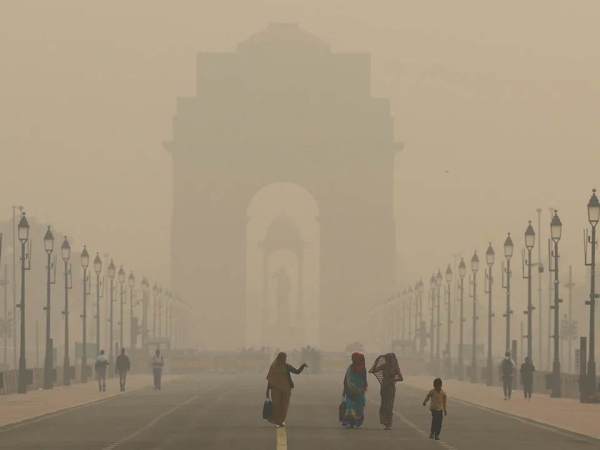
Delhi’s Winter Air: Delhi once again woke up to alarming air conditions on a cold winter morning, as air quality across the national capital continued to remain in the very poor category. Despite a slight marginal improvement compared to the previous day, the overall pollution scenario showed no meaningful relief for residents. Early morning data indicated that breathing conditions were still unhealthy, raising serious concerns for public health and environmental management in the city.
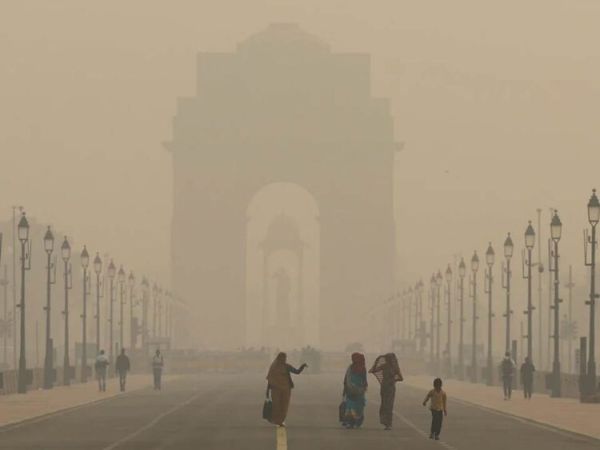
Current Air Quality Situation in the Capital
According to official monitoring data released by the Central Pollution Control Board, the Air Quality Index touched 341 around 7 am on Wednesday. While this figure was marginally lower than Tuesday’s readings, it still fell firmly within the very poor range. Such levels indicate a significant concentration of harmful pollutants in the air, capable of triggering respiratory discomfort even among healthy individuals.
Pollution Hotspots Across Delhi
Several parts of Delhi recorded extremely high AQI readings, highlighting that the pollution problem is not localized but widespread. Areas such as Anand Vihar, Ashok Vihar, Wazirpur, Punjabi Bagh, RK Puram, Bawana, ITO, Chandni Chowk, and Dwarka Sector 8 all reported AQI levels ranging between 369 and 388. These consistently high readings show that residents across north, central, west, and east Delhi are exposed to similar environmental risks.
Health Implications of Very Poor Air Quality
Prolonged exposure to very poor air quality poses severe health threats, particularly for children, elderly citizens, and individuals with pre-existing respiratory or cardiovascular conditions. Polluted air can aggravate asthma, cause persistent coughing, reduce lung function, and increase hospital admissions. Doctors often advise limiting outdoor activities during such conditions, as even short exposure can lead to irritation of the eyes, throat, and lungs.
Understanding the Air Quality Index Scale
The Air Quality Index is a standardized system used to communicate how polluted the air currently is and what associated health effects might be. An AQI between 0 and 50 is considered good, while 51 to 100 is satisfactory. Moderate air quality falls between 101 and 200, poor ranges from 201 to 300, and very poor is classified between 301 and 400. Any value above 401 is categorized as severe and can cause serious health emergencies. Delhi’s current readings underline the urgency of preventive measures.
Weather Conditions Worsening Pollution
Winter weather continues to play a major role in trapping pollutants close to the ground. The India Meteorological Department reported moderate fog across Delhi during the morning hours, with dense fog observed in isolated areas. The temperature hovered around 9°C, creating conditions that restrict vertical air movement. Such meteorological factors prevent pollutants from dispersing, resulting in higher concentration levels.
Status of Graded Response Action Plan
Stage IV of the Graded Response Action Plan, earlier enforced due to extreme pollution, has now been revoked. The decision was taken following an improvement that kept AQI levels below the severe threshold. As per the January 17, 2026 order issued by the Commission for Air Quality Management, Stage IV measures are triggered only when AQI crosses 450. However, authorities have emphasized that vigilance must continue.
Ongoing Monitoring and Preventive Measures
Even with the rollback of the strictest restrictions, agencies across the National Capital Region have been instructed to remain alert. Preventive actions under Stage I, II, and III will continue to be implemented as required. Continuous monitoring of pollution levels remains a priority, ensuring that timely interventions can be introduced if air quality worsens again.
Need for Long-Term Solutions
Delhi’s recurring winter pollution crisis highlights the need for sustainable and long-term solutions. Measures such as controlling vehicular emissions, promoting cleaner fuels, managing construction dust, and discouraging open burning are essential. Public awareness and individual responsibility also play a crucial role in reducing pollution and safeguarding health.
-
Campaigners given fresh hope as they call for child abusers to be treated like sex fiends

-
Sabarimala gold loss: Accused 'jointly looted' Lord Ayyappa's property, says Kerala HC

-
Liam Rosenior makes tough Cole Palmer decision as Chelsea wonderkids involved vs Pafos

-
Prince Harry and Meghan Markle should learn one lesson from Diana before UK return

-
Infrastructure boom and refurbishment drive tools demand in UAE and GCC