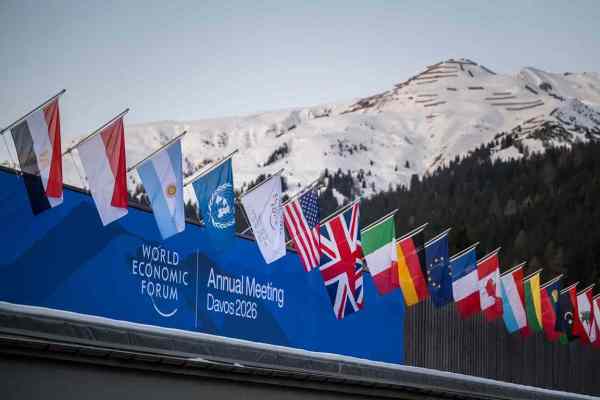
Global Leadership: President Donald Trump has stated that his upcoming appearance at the World Economic Forum in Davos will be used to emphasize what he describes as the success of his first year back in office. His remarks indicate a clear intention to project confidence in national performance while encouraging global leaders to reconsider their approaches to energy production and immigration policy. The message is positioned not only as a review of domestic achievements but also as a broader argument for policy changes beyond American borders.
Economic Performance as a Central Theme
According to statements made during a media availability at the White House, the president plans to frame his Davos remarks around economic strength and national competitiveness. He has repeatedly highlighted strong growth indicators, increased investment activity, and renewed industrial momentum. By presenting these outcomes as measurable and practical results, he aims to underline the idea that policy decisions directly affect national prosperity. The narrative he intends to share is built around the claim that decisive leadership and firm economic strategies can produce rapid and visible benefits.
Energy Policy and National Resilience
A significant portion of the president’s argument centers on energy policy. He has expressed concern that many countries, particularly in Europe, are facing avoidable energy shortages due to what he views as misguided policy choices. In his assessment, reliance on renewable energy sources without sufficient backup has created vulnerabilities that affect both economic stability and national security. He argues that dependable, domestically sourced energy remains essential for sustained growth and for protecting industries from external shocks.
Criticism of Renewable Energy Approaches
The president has been especially critical of wind power, suggesting that large-scale investments in this area have failed to deliver the promised benefits. He has claimed that such projects can increase costs, strain infrastructure, and weaken competitiveness. From his perspective, an overemphasis on renewables may limit industrial expansion and expose economies to higher prices. His message to global leaders is expected to stress the importance of balancing environmental goals with economic realities and energy reliability.
Energy Costs and Inflation Control
Another point he plans to raise is the connection between energy prices and overall inflation. Lower fuel and power costs, he argues, reduce expenses across supply chains, benefiting consumers and businesses alike. By pointing to falling fuel prices and strong energy output in the United States, he intends to present a case study in how energy abundance can support broader economic health. This argument links domestic resource development directly to household affordability and national growth prospects.
Trade, Tariffs, and Investment Strategy
Beyond energy, the president is expected to discuss trade policy and foreign investment. He has claimed that the use of tariffs and firm negotiating tactics has encouraged companies to relocate factories and capital back to the United States. In his view, these measures have strengthened domestic manufacturing and reduced dependence on foreign supply chains. He plans to argue that economic leverage, when applied strategically, can reshape global trade relationships in favor of national interests.
International Influence and Policy Export
The president has suggested that other countries are increasingly looking to Washington for guidance. He believes that demonstrated economic success enhances diplomatic influence and encourages foreign leaders to consider similar approaches. His comments imply that policies focused on domestic energy production, controlled immigration, and assertive trade negotiations can be adapted by other nations seeking growth and stability.
Reception at Davos and Global Debate
Asked about the possibility of criticism from international audiences, the president has indicated that tangible results matter more than approval. He appears prepared to face disagreement, emphasizing performance indicators over consensus. His planned meetings on the sidelines of the forum are expected to cover trade, security, and energy, reinforcing the practical focus of his visit rather than symbolic engagement.
Nationalist Messaging on a Global Stage
Historically, the World Economic Forum has been a platform for discussions on globalization and multilateral cooperation. The president’s approach contrasts with these traditions, as he uses the stage to promote a nationalist economic philosophy. His forthcoming remarks suggest a continued effort to challenge established norms and to advocate for policies centered on national sovereignty and self-reliance.
-
Sanatana Dharma Row: Madras HC Quashes FIR Against BJP Leader, Calls Udhayanidhi’s Remarks Hate Speech
-
Brooklyn Beckham Speaks Out Against Family Control Amid Personal Struggles

-
'Globalisation is a failed policy': US Commerce Secy Howard Lutnick at Davos
-
S. Korean exports rise 14.9 pc in January on robust chip demand
-
NHAI's 4 Guinness World Records reflects India's rising engineering excellence: Minister