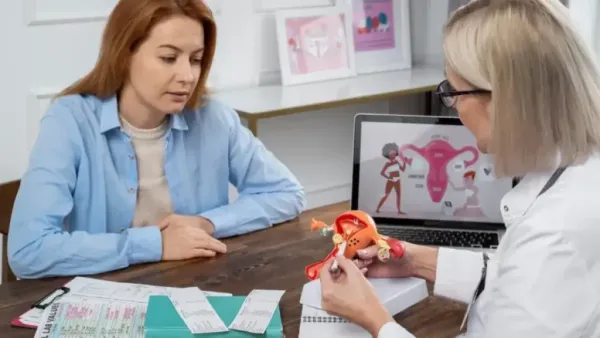
A serious and worrying truth is emerging about women’s health in India. A disease about which many women are unable to talk openly even today, is taking thousands of lives every year. This disease is cervical cancer.
Statistics show that every eight minutes a woman dies due to this disease alone in the country. This situation is even more sad because experts say that if screening and vaccination is done on time, this cancer can be prevented to a great extent.
How serious is the situation?
According to reports by AIIMS and Indian Council of Medical Research (ICMR), about 1.23 lakh new cases of cervical cancer are reported every year in India, out of which about 77,000 women die. This cancer has become one of the main causes of cancer deaths in women. Its impact is especially greater on women from rural areas and poor families, where there is a lack of awareness and healthcare facilities.
What is cervical cancer and why does it happen?
Cervical cancer is mainly caused by infection with human papillomavirus (HPV). When this virus remains in the body for a long time, it damages the cells of the cervix, which can lead to cancer. In most cases, there are no symptoms in the early stages, so women do not go to the doctor on time.
What symptoms should be paid attention to:
Symptoms of cervical cancer include abnormal vaginal bleeding, bleeding between periods or after sex, persistent pain in the abdomen or lower back, smelly discharge, fatigue and weakness. If any of these symptoms persist for a long time, it is important to get checked immediately.
What is its treatment?
Experts say that cervical cancer can be prevented by vaccination and regular screening. HPV vaccine is given in two doses to girls aged 9 to 14 years and in three doses to girls above 15 years of age. This vaccine protects against HPV virus. The indigenously developed CervaVac vaccine is being given free or at a subsidized rate of Rs 200-400 per dose in some states of India, while it is more expensive in private hospitals. So far, more than 100 million women have been screened under the National Health Mission.
Now, the focus is on making HPV DNA testing available at primary health centers instead of traditional screening methods, so that women in remote areas can also benefit from it. Ensuring that women receive treatment after screening has been a major challenge. To tackle this problem, the government has implemented standard operating procedures (SOPs), a hub-and-spoke model and a robust system for treatment and follow-up, so that no woman who tests positive is deprived of treatment.
This disease is also a social issue
Experts believe that cervical cancer is not just a disease but also an issue of social justice. This is because it disproportionately affects women who do not have access to health services due to economic, social or geographical reasons.
-
Iran warns Trump not to take action against Khamenei

-
IND vs NZ: Suryakumar Yadav Backs THIS Player Over Shreyas Iyer at No. 3

-
AA urges all drivers to press 2 buttons to defog car windows in 'quickest' way

-
Chocolate Pudding: If you crave something sweet late at night, make this instant chocolate pudding recipe in a jiffy..

-
Bengaluru Court Orders Media to Remove Defamatory Content Against Suspended Police Officer