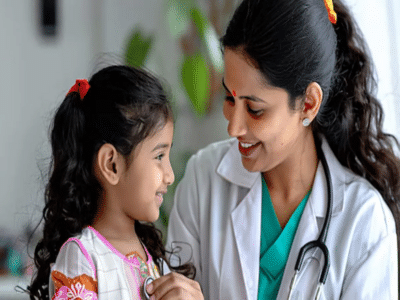
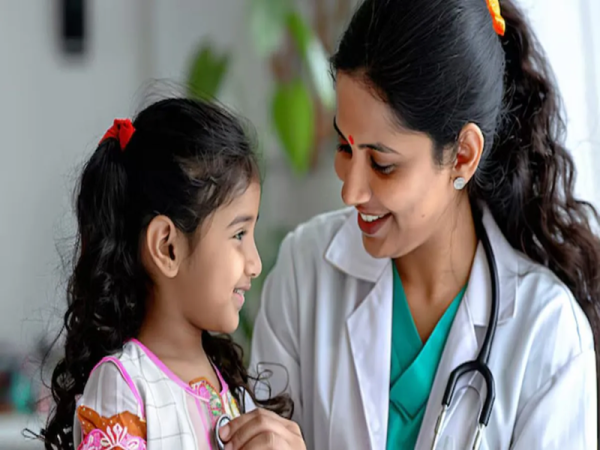
A woman has to meet different nutritional needs throughout her life. Poor nutritional status of mothers before, during, and after pregnancy is a major cause of poor nutrition and ill health in Indian children.
Girls have relatively less access to proper and nutritious diets, which is why problems like anemia, low weight, and stunted growth are often more prevalent in girls. When we talk about girls' health, it shouldn't be limited to just preventing illness. Health is a complete picture of physical, mental, and emotional balance.

To make this picture complete, it is necessary to consider some new challenges that are emerging over time. For example, increasing obesity at a young age, anxiety at different levels due to screen time and peer pressure, etc. Some traditional social and gender norms also pose a major obstacle to girls' health. The most common of these is the habit of eating last or consuming leftovers in the family from childhood.
Hemoglobin level of 12 at age 12
This is also called anemia in common language. Anemia is a condition in which the amount of red blood cells in the blood decreases. Girls are easily susceptible to this due to the challenges of menstruation and nutritional deficiencies. In this condition, the body does not receive enough oxygenated blood, which leads to fatigue and weakness.
This affects cognitive development and also hinders physical development. It can cause depression and serious heart disease. This is why, under the Anemia Mukt Bharat (Anemia-Free India) strategy, girls and adolescent girls aged 10 to 19 are recommended to take one iron and folic acid tablet once a week.
Each tablet contains 60 mg of elemental iron and 500 micrograms of folic acid. According to Dr. Mala Srivastava, Senior Gynecologist at Sir Ganga Ram Hospital, to prevent this, their hemoglobin level should be 12 at the age of 12.
Developing Healthy Habits
Childhood is the time when both the body and mind develop rapidly. According to senior physician Dr. Sushila Kataria, girls should be given proper nutrition from a young age, especially iron and calcium, along with accurate information about menstruation and what it means to look and feel good.
For example, explain to young girls how poor nutrition can hinder their appearance. Also, emphasize the importance of being active for good health to prevent challenges related to blood sugar, thyroid problems, hypertension, and hormonal imbalances. Do not take anxiety in young girls lightly.
Teach them how to recognize mental fatigue and emotional stress, and the importance of incorporating yoga and meditation into their daily routine to manage these issues. The greatest benefit of developing these habits is that girls will learn to prioritize their health as they grow older. They will not develop the tendency to postpone addressing health problems, citing lack of time or other priorities.
Why the HPV Vaccine is Important
Cancer can be prevented through awareness and screening. One effective measure is the HPV vaccine, which can prevent cervical cancer. It should be administered to girls aged 9-14 years. The vaccine helps develop immunity against the infection. This can protect against cervical cancer (up to 90 percent) and other cancers.
Home-cooked food is a treasure trove of health
Dr. Mala Srivastava (Gynecologist, Sir Ganga Ram Hospital, New Delhi) explains that encouraging girls to eat home-cooked meals is an excellent way to address nutritional deficiencies. Lentils, rice, vegetables, roti (flatbread), and yogurt provide essential nutrients and help maintain a healthy weight. If girls are overweight, they are at increased risk of serious diseases later in life. PCOS and cancer are among the most serious risks.
Encourage them to consume food in various forms – sometimes raw and whole, sometimes boiled, sometimes roasted. Healthy oils and ghee should be used in home cooking. Cooking in an iron pan can help prevent iron deficiency. Girls should be encouraged to prepare healthy meals so they understand how nutritious the food they are making is.
Peer pressure can make them sick.
Dr. Sushila Kataria (Senior Director, Internal Medicine, Medanta Hospital, Gurugram) says that children should be encouraged to adopt a healthy diet and overall healthy lifestyle from a young age. Girls should also be equally encouraged to participate in sports and physical activities. Explain to them that the body's needs change due to physical changes.
Irregular periods, fatigue, or frequent weakness should not be ignored, as these can be signals from the body. Peer pressure is another factor that causes anxiety in children during adolescence. Girls are often overly conscious of their body image. Influenced by social media, they experiment with their looks. Bullying due to obesity or an obsession with being thin can also make them sick.

Keep these points in mind:
Milk should not be considered a complete diet in itself. Fruits, grains, and vegetables are equally important. Girls should be given all types of food from the age of one year onwards.
Create an annual health report for girls. Work on their weak points and make necessary changes to their daily routine accordingly. Even if the child appears healthy, get a health checkup done. This checkup becomes even more important if there is a history of illness in the family.
PC Social Media
-
India At VCA Stadium: Full Record, Wins, Losses & Key Stats Before IND vs NZ T20I
-
Deepinder Goyal Quit As Eternal CEO Because His Next Ideas Were 'Too Risky'

-
Chess World Shocked: Grandmaster Daniel Naroditsky Died After Fatal Drug Overdose

-
India Infrastructure Conclave | 'I Feel Ashamed': Nitin Gadkari On Noida Techie's Death

-
USA Launches 'FIFA PASS' To Help International Fans Fast-Track Visas For 2026 World Cup