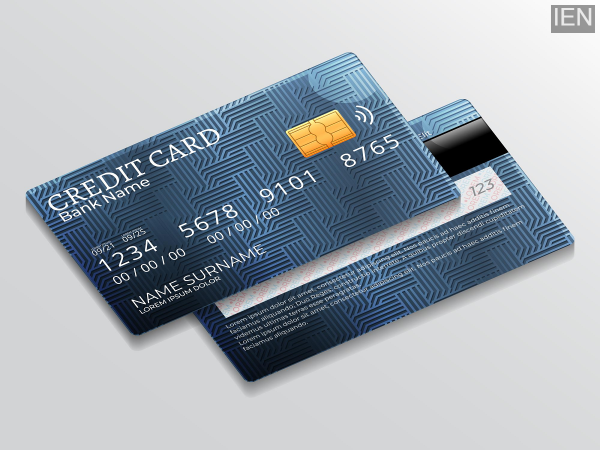
A credit card is not a debt trap, but a smart financial tool. Yes, with proper use, it offers interest-free credit, cashback, rewards, and a strong CIBIL score. So, it's essential to understand the truth behind these 6 common misconceptions.
In today's digital age, the word "credit card" makes many people sweat. Some think it's an option that empties your pockets, while others consider it a debt trap. But have you ever wondered why the world's richest and smartest people use credit cards instead of cash?
The truth is, a credit card is a very powerful financial tool. If you understand how to use it correctly, it can get you free flight tickets, substantial cashback, and amazing discounts. Credit cards aren't inherently bad; it's the incomplete information surrounding them that's dangerous. So, let's debunk 6 of the biggest misconceptions today.
1. First Myth: Credit cards always mean being in debt
This is the biggest fear that has been instilled in people's minds.
A credit card puts you in debt only when you don't repay the bank's money on time.
Every card gives you a 45 to 50-day 'interest-free period'.
If you spend ₹10,000 and repay it before the due date, you will pay 0% interest.
This means you used the bank's money for 50 days for free.
The debt problem arises when you borrow and then forget to repay.
2. Second Myth: Paying the Minimum Due is enough
The Minimum Due is a trap that people often fall into.
The bank says that if you pay only 5% of the total bill, they won't charge a penalty.
In reality, by paying the minimum due, you only avoid the 'late payment fee'. However, on the remaining 95% of the amount, the bank starts charging exorbitant interest rates of 36% to 48% per annum.
The downside is that when the bill arrives next month, you'll find that your outstanding balance has increased instead of decreased.
So, always make it a habit to pay the 'total amount'.
3. Third Myth: Closing an old card will improve your score!
Many people cut up their old cards with scissors or close them as soon as they get a new one.
In reality, the older your 'credit history' is, the stronger your CIBIL score will be.
Closing an old card shortens your history, making the bank think you are a new customer.
If there is no annual fee on the old card, keep it active.
Make a small purchase or recharge with it once a year to keep it active.
4. Fourth Myth: Fear of Hidden Charges
People often say that banks secretly deduct money.
The truth is that the charges are not 'hidden'; we simply don't read the rules and conditions.
There are three main charges: annual fee, late fee, and interest on cash withdrawals.
So, if you don't withdraw cash from ATMs and pay your bills on time, you won't have to pay a single extra rupee.
Nowadays, there are plenty of 'lifetime free' cards available that don't have any annual fees.
5. Fifth Myth: Increasing the credit limit means inviting 'expenses'
When the bank says they are increasing the limit from ₹1 lakh to ₹3 lakhs, people refuse out of fear.
But having a higher limit is a boon for your credit score.
This is actually called the 'Credit Utilization Ratio' (CUR).
So, if your limit is ₹1 lakh and you spend ₹30,000, you have used 30% of your limit.
If the limit is ₹3 lakhs and you spend ₹30,000, you have only used 10% of your limit. Credit Card
From the bank's perspective, a customer with a 10% utilization rate is considered more trustworthy.
Just remember that increasing your limit doesn't mean increasing your spending.
6. Sixth Myth: Having more than one card is trouble
If you are disciplined, having 2-3 cards can be very beneficial.
So, one card might offer deals on groceries, another on petrol, and a third on online shopping.
By using the reward points and offers from different cards, you can save thousands of rupees every year.
Also, you have more funds available in case of an emergency.
Be the master, not the slave
It's clear that if you have the discipline to pay your credit card bill on time, there's no better friend than a credit card. It gives you free insurance, lounge access, and lots of rewards. So stop being afraid, read the rules, and take advantage of it smartly. (Disclaimer: This information is for general purposes only. The benefits of a credit card are only realized when full payment is made on time. Terms and conditions may vary depending on the bank; please read the rules before making a decision.)
FAQs related to the news
1. Does a credit card always lead to debt?
No, if you pay the full bill on time, you get interest-free money for 45-50 days.
2. What's the problem with paying the minimum due?
Paying the minimum due incurs heavy interest, which causes the debt to grow rapidly.
3. Does closing old credit cards increase the score?
No, this shortens your credit history and negatively impacts your CIBIL score.
4. Is taking a higher credit limit risky?
No, a higher limit reduces credit utilization, which is good for your score.
5. Is it wrong to have more than one credit card?
If you are disciplined, having 2-3 cards is beneficial, as it allows you to take greater advantage of offers and rewards.
-
Telangana ACB raids Additional Collector’s properties in DA case
-
Elon Musk triggers RyanAir to launch ‘Big Idiot’ seat sale

-
Indore water contamination: HC orders safekeep of original pipeline tender
-
Rupee declines 76 paise to settle at record low of 91.73 against USD
-
Asin back in spotlight: All about her husband and his net worth