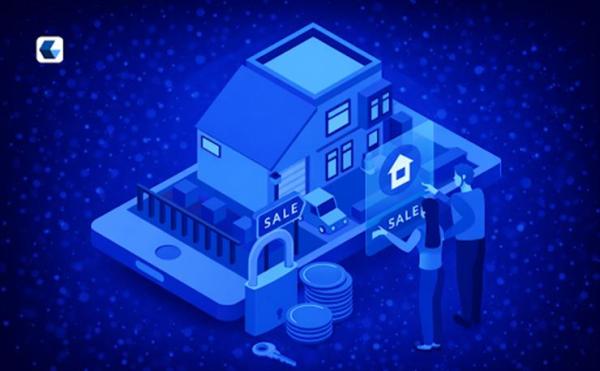
The real estate industry is undergoing a digital transformation, with tokenization emerging as a game-changing innovation. As property owners, developers, and investors explore this technology, understanding the operational and compliance costs becomes crucial for making informed decisions. This comprehensive guide examines the financial considerations involved in tokenizing real estate assets and how these costs impact various industry applications.
Understanding the Cost Structure of Real Estate Tokenization
When businesses partner with a real estate tokenization development company, they encounter various cost categories that extend beyond initial development. These expenses encompass technology infrastructure, legal compliance, ongoing maintenance, and regulatory adherence. The total investment varies significantly based on project scope, jurisdiction, and the complexity of the tokenized asset.
The operational costs begin with the technical infrastructure required to create, manage, and distribute security tokens representing property ownership. This includes blockchain development, smart contract creation, wallet integration, and platform maintenance. Unlike traditional real estate transactions, tokenization requires specialized technical expertise and continuous system updates to ensure security and functionality.
Initial Development and Setup Expenses
The journey begins with engaging real estate tokenization development services to build the technical foundation. Initial costs include blockchain platform selection, smart contract development, security audits, and integration with existing property management systems. Companies typically invest between tens of thousands to several hundred thousand dollars depending on customization requirements and feature complexity.
Smart contract development requires specialized blockchain developers who understand both real estate regulations and tokenization protocols. These professionals design self-executing contracts that automate dividend distributions, voting rights, and ownership transfers. Security audits by third-party firms add to upfront costs but are essential for identifying vulnerabilities before launch.
Platform development extends beyond basic tokenization to include investor dashboards, KYC/AML verification systems, secondary trading capabilities, and reporting tools. Each additional feature increases development costs but enhances the platform’s value proposition and user experience. Organizations must balance functionality with budget constraints while ensuring regulatory compliance.
Legal and Regulatory Compliance Investments
Compliance represents one of the most significant ongoing cost centers in real estate tokenization. Engaging securities lawyers, preparing offering documents, and registering with financial regulators require substantial investment. In the United States, for example, Regulation D, Regulation A+, or Regulation S offerings each carry different compliance costs and investor access levels.
Legal teams must draft comprehensive disclosure documents detailing property information, risk factors, financial projections, and token mechanics. These documents undergo multiple revisions and regulatory reviews, generating legal fees that can range from fifty thousand to several hundred thousand dollars for complex offerings. International offerings multiply these costs as each jurisdiction imposes unique requirements.
Technology Maintenance and Infrastructure Costs
After launch, tokenized real estate platforms require continuous technical maintenance and updates. Blockchain networks charge transaction fees, smart contracts need occasional upgrades, and security protocols require regular assessment. These operational costs ensure platform reliability and protect investor assets.
Cloud hosting, data storage, and bandwidth consumption generate monthly infrastructure expenses. As the platform scales and processes more transactions, these costs increase proportionally. Organizations must also budget for cybersecurity measures, including penetration testing, threat monitoring, and incident response capabilities.
Technology teams monitor platform performance, address user issues, and implement feature enhancements based on investor feedback. Whether maintaining an in-house team or contracting with a real estate tokenization development company for ongoing support, these personnel costs represent a significant operational expense that continues throughout the platform’s lifecycle.
Use Cases & Industry Application: Commercial Real Estate
Commercial property tokenization demonstrates how operational and compliance costs vary across different use cases. Office buildings, shopping centers, and industrial properties each present unique valuation challenges and regulatory considerations. Tokenizing a commercial property worth tens of millions of dollars requires extensive due diligence, environmental assessments, and title verification, all contributing to upfront costs.
Institutional investors examining tokenized commercial real estate expect sophisticated reporting, detailed property analytics, and transparent governance structures. Meeting these expectations requires investing in premium real estate tokenization development services that deliver enterprise-grade features. The higher costs are justified by attracting larger investment amounts and commanding better terms.
Commercial properties often generate rental income, requiring automated distribution systems that allocate dividends to token holders proportionally. Building these payment rails involves integration with property management software, banking systems, and tax reporting tools. While increasing operational complexity and cost, these features create compelling investment opportunities that differentiate tokenized offerings.
Use Cases & Industry Application: Residential Property Fractional Ownership
Residential real estate tokenization targets retail investors seeking fractional ownership in high-value properties. This use case prioritizes user-friendly interfaces, lower minimum investments, and simplified compliance structures. Development costs may be lower than commercial offerings, but customer acquisition and platform marketing generate significant operational expenses.
Residential platforms often employ Regulation A+ or crowdfunding exemptions, which carry specific compliance requirements and annual costs. Filing and maintaining these offerings involves ongoing legal expenses, annual reports, and continuous disclosure obligations. The broader investor base increases customer service costs as platforms handle more inquiries and support requests.
Property management becomes more complex with numerous fractional owners, each entitled to voting rights and information access. Real estate tokenization development solutions address this by automating governance processes, enabling digital voting, and providing transparent performance reporting. These features reduce administrative burden but require upfront development investment and ongoing maintenance.
Use Cases & Industry Application: Real Estate Investment Trusts (REITs)
Traditional REITs are exploring tokenization to enhance liquidity, reduce administrative costs, and expand investor access. Converting REIT shares to security tokens involves navigating existing securities regulations while implementing blockchain infrastructure. Compliance costs remain substantial as tokenized REITs must satisfy both traditional REIT requirements and digital asset regulations.
Operational efficiencies emerge from automated dividend distributions, instantaneous ownership transfers, and reduced intermediary costs. Over time, these savings can offset initial tokenization investments. However, transitioning existing REIT operations to blockchain systems requires significant change management, staff training, and dual-system operation during migration periods.
Tokenized REITs benefit from 24/7 trading capabilities on digital securities exchanges, enhancing liquidity for investors. Listing on these platforms incurs exchange fees, ongoing listing requirements, and market-making costs. Organizations must evaluate whether enhanced liquidity justifies these additional operational expenses within their specific market context.
Use Cases & Industry Application: International Real Estate Investment
Cross-border real estate investment traditionally involves complex legal structures, currency conversions, and challenging due diligence processes. Tokenization simplifies international investment but introduces additional compliance layers as offerings must satisfy regulations in multiple jurisdictions simultaneously.
Working with a real estate tokenization development company experienced in international offerings helps navigate varying securities laws, tax treaties, and reporting requirements. Legal costs multiply as separate counsel may be necessary for each target jurisdiction. However, successfully structured international offerings access broader investor pools and command premium valuations.
Currency management and foreign exchange costs represent ongoing operational considerations. Platforms must handle multi-currency investments, convert rental income, and report performance in various denominations. Building these capabilities requires sophisticated financial infrastructure and partnerships with international payment processors.
Investor Onboarding and KYC/AML Costs
Know Your Customer and Anti-Money Laundering compliance generates per-investor costs that scale with platform growth. Identity verification services charge fees for document verification, background checks, and accreditation verification. These costs typically range from ten to fifty dollars per investor but increase for international investors requiring enhanced due diligence.
Maintaining compliant investor records involves secure data storage, privacy protections, and periodic re-verification. Regulatory requirements mandate retaining investor information for specified periods, creating ongoing data management costs. Platforms serving international investors must also comply with data protection regulations like GDPR, requiring additional legal and technical investments.
Automated onboarding systems reduce manual processing costs and improve user experience. Integrating third-party KYC providers, biometric verification, and automated accreditation checks requires upfront development investment but lowers long-term operational costs. real estate tokenization development solutions increasingly incorporate these automated workflows as standard features.
Secondary Market and Liquidity Provision
Creating secondary markets for tokenized real estate requires partnerships with digital securities exchanges or developing proprietary trading platforms. Exchange listing fees, ongoing compliance costs, and market-making expenses represent significant operational investments. However, liquidity provision substantially enhances token value and investor satisfaction.
Alternative Trading Systems specifically designed for security tokens charge various fee structures including listing fees, transaction fees, and monthly maintenance costs. These platforms handle regulatory reporting and investor communications, reducing issuer burdens but transferring costs to ongoing platform fees.
Some issuers maintain internal transfer systems allowing peer-to-peer token transfers subject to compliance checks. Building these capabilities requires developing transfer agents, implementing smart contract restrictions, and maintaining investor registries. While avoiding exchange fees, internal systems generate development and operational costs that must be weighed against benefits.
Tax Reporting and Financial Auditing
Tokenized real estate generates complex tax obligations for both issuers and investors. Platforms must provide detailed tax reporting, including distribution statements, cost basis tracking, and transaction histories. Developing automated tax reporting features requires specialized knowledge of securities taxation and ongoing updates as regulations evolve.
Annual financial audits represent mandatory compliance expenses for most tokenized offerings. Engaging certified public accountants familiar with both real estate and digital securities ensures proper financial statement preparation and regulatory compliance. Audit costs vary based on offering complexity but typically range from twenty thousand to over one hundred thousand dollars annually.
Blockchain’s transparent nature simplifies certain audit procedures while complicating others. Auditors must verify smart contract functionality, confirm token holder records, and trace digital asset movements. This specialized expertise commands premium rates but provides investors with necessary assurance regarding platform operations and financial accuracy.
Insurance and Risk Management Costs
Tokenized real estate platforms require comprehensive insurance coverage protecting against technology failures, cybersecurity breaches, regulatory violations, and professional errors. Cyber insurance has become essential given the digital nature of tokenized assets and the potential for hacking attempts.
Directors and officers liability insurance, errors and omissions coverage, and professional liability policies protect platform operators from legal claims. Premium costs vary based on offering size, jurisdictional requirements, and claims history. Organizations should budget several thousand to tens of thousands of dollars annually for appropriate coverage.
The underlying real estate assets require traditional property insurance, potentially supplemented by specialized coverage for tokenized ownership structures. Insurance providers increasingly offer products designed for tokenized assets, though these specialized policies may carry premium costs compared to traditional real estate insurance.
Marketing and Investor Relations Expenses
Attracting investors to tokenized real estate offerings requires targeted marketing campaigns, educational content, and relationship building. Digital marketing costs include website development, content creation, social media management, and paid advertising across relevant channels. Successful platforms invest substantially in building brand awareness and credibility within the tokenization ecosystem.
Investor relations involves ongoing communication with token holders, including performance updates, property news, and governance matters. Developing investor portals, sending regular newsletters, and hosting virtual meetings generate operational costs. Automated communication tools reduce manual efforts but require upfront development investment.
Industry conference participation, thought leadership development, and partnership building create additional marketing expenses. However, these activities establish credibility, attract institutional investors, and build networks valuable for future offerings. Organizations must balance marketing investments against expected investor acquisition and retention benefits.
Scaling Considerations and Efficiency Gains
As tokenization platforms mature, economies of scale reduce per-transaction costs and improve operational efficiency. Standardized processes, reusable smart contract templates, and established compliance frameworks lower costs for subsequent offerings. Organizations that successfully launch initial tokenizations can leverage this infrastructure across multiple properties.
Platform technology built with scalability in mind accommodates growing transaction volumes without proportional cost increases. Cloud-based architectures, automated workflows, and self-service features allow platforms to serve more investors while maintaining manageable operational expenses. Strategic technology investments during initial development pay dividends as platforms expand.
Partnering with experienced providers of real estate tokenization development services accelerates this learning curve. These partners bring proven frameworks, tested compliance approaches, and established relationships with regulators and service providers. While potentially increasing upfront costs, expert guidance prevents expensive mistakes and positions platforms for sustainable growth.
Building a Sustainable Future Through Strategic Investment in Real Estate Tokenization
Operational and compliance costs in real estate tokenization represent significant investments that organizations must carefully evaluate. While initial expenses can be substantial, the long-term benefits of enhanced liquidity, broader investor access, and automated processes often justify these investments. Understanding the complete cost structure enables better decision-making and realistic financial planning.
Success in this emerging field requires balancing regulatory compliance, investor expectations, and operational efficiency. Organizations that invest strategically in quality real estate tokenization development solutions position themselves for competitive advantage as the industry matures. As technology evolves and regulations clarify, costs are expected to decrease while capabilities continue expanding.
The future of real estate investment increasingly includes tokenization, making current operational and compliance investments strategic positioning for market leadership. Organizations entering this space should view costs not merely as expenses but as investments in building next-generation real estate investment platforms that serve diverse use cases and industry applications effectively.
Frequently Asked Questions
Q1 What are the main operational costs in real estate tokenization?
Operational costs include blockchain infrastructure, smart contract development, platform maintenance, KYC/AML verification, cloud hosting, cybersecurity measures, and ongoing technical support. These expenses ensure platform security, functionality, and reliability throughout the token’s lifecycle.
Q2 How much does regulatory compliance cost for tokenized real estate?
Compliance costs range from fifty thousand to several hundred thousand dollars initially, depending on jurisdiction and offering complexity. Annual ongoing compliance typically costs tens of thousands to over one hundred thousand dollars for reporting, audits, and regulatory communications.
Q3 What are the typical development costs for a tokenization platform?
Development costs vary widely based on features and customization, ranging from tens of thousands to several hundred thousand dollars. This includes blockchain integration, smart contracts, investor dashboards, trading capabilities, and security audits from qualified development companies.
Q4 How do KYC and AML procedures impact operational costs?
KYC/AML verification costs range from ten to fifty dollars per investor for identity verification, background checks, and accreditation. International investors require enhanced due diligence, increasing costs. Automated systems reduce long-term expenses while maintaining compliance standards.
Q5 What insurance coverage is required for tokenized real estate platforms?
Platforms need cyber insurance, directors and officers liability, errors and omissions coverage, and professional liability policies. Additionally, underlying properties require traditional insurance plus specialized tokenized ownership coverage. Annual premiums range from thousands to tens of thousands of dollars.
Q6 Do tokenization costs decrease with multiple property offerings?
Yes, economies of scale significantly reduce per-transaction costs. Reusable smart contract templates, established compliance frameworks, and existing infrastructure lower expenses for subsequent offerings. Organizations leverage initial investments across multiple properties, improving overall efficiency and profitability.
-
Republic Day 2026: Heritage Sites To Visit In Mumbai

-
European T20 Premier League announces first three franchises, led by the greats of the game

-
Stephen Hendry had to message Steve Davies after what Kyren Wilson did in Masters final

-
Rory McIlroy demands LIV Golf star pay £3m fine as duo issued Ryder Cup ultimatum

-
World Legends Pro T20 League announces squads and fixtures for inaugural season