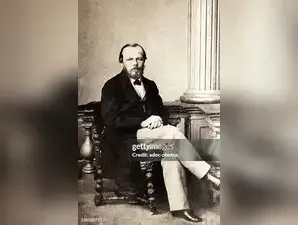
Quote of the Day: A powerful Quote of the Day often travels far beyond the era in which it was written, offering insight into the enduring questions that shape human life. Few writers have explored those questions with the depth and intensity of Fyodor Dostoyevsky. Known for his profound psychological insight and unflinching examination of suffering, faith, freedom, and moral choice, Dostoyevsky devoted his literary life to understanding what gives human existence its meaning. His works consistently return to the same haunting inquiry, why do people endure pain, and what makes life worth living despite it? The quote highlighted today reflects that lifelong search and remains strikingly relevant in a modern world still grappling with purpose, identity, and inner conflict.
A Quote of the Day matters because it invites reflection rather than instruction. It pauses the rush of daily life and asks readers to consider larger truths. Dostoyevsky’s words do not offer easy comfort or simple optimism. Instead, they confront the reader with a challenge: survival alone is not enough. Meaning, responsibility, and belief are what transform existence into life.
“The mystery of human existence lies not in just staying alive, but in finding something to live for.” — Fyodor Dostoyevsky
The quote is taken from Goodreads. This Quote of the Day captures the essence of Dostoyevsky’s worldview. For him, life’s central mystery was not biological survival but moral and spiritual purpose. His characters struggle, suffer, and often fail, yet through their turmoil they reveal the human need for meaning. The quote reflects Dostoyevsky’s conviction that without purpose, life becomes hollow, no matter how long it lasts.
Fyodor Dostoyevsky was born on November 11, 1821 (October 30, Old Style), in Moscow, Russia. Unlike many Russian writers of his time, he was not born into the landed gentry. His father, a retired military surgeon, worked as a doctor at the Mariinsky Hospital for the Poor, while his mother came from a merchant family and was known for her kindness and piety. This contrast between stern authority and gentle compassion would later echo throughout Dostoyevsky’s fiction, as per information sourced from Britannica.
Dostoyevsky spent his early childhood surrounded by the suffering of the poor, an experience that deeply shaped his understanding of humiliation, dignity, and moral struggle. Educated at home and later in boarding schools, he developed an early love for literature, particularly Romantic and Gothic works. Although his father intended him for a career in military engineering, Dostoyevsky felt drawn irresistibly to writing and ideas.
After completing his studies at the Academy of Military Engineering in St. Petersburg, Dostoyevsky resigned his commission to pursue writing. His first published work was a translation of Honoré de Balzac’s Eugénie Grandet, but his true breakthrough came with his novella Poor Folk in 1846. The work was immediately hailed as a masterpiece for its emotional sensitivity and psychological insight, earning praise from leading literary critics of the time, as per information sourced from Britannica.
From the beginning, Dostoyevsky distinguished himself by focusing not on external events but on inner lives. He explored shame, desperation, pride, and moral confusion, particularly among society’s marginalized figures. These early successes established him as a major literary voice, but they also set the stage for intense personal and ideological struggles.
One of the defining moments of Dostoyevsky’s life came in 1849, when he was arrested for participating in the Petrashevsky Circle, a group that discussed social reform and utopian ideas. Along with other members, he was sentenced to death and taken to a public square to face a firing squad. At the final moment, the sentence was commuted. The execution had been staged as punishment.
This near-death experience profoundly altered Dostoyevsky’s outlook. He later wrote about the intense awareness of life that comes when death feels imminent, an awareness that surfaces repeatedly in his novels. Instead of execution, he was sent to a Siberian prison labor camp, followed by compulsory military service. The years in Siberia exposed him to extreme suffering but also strengthened his belief in individual freedom, moral responsibility, and faith, as per information sourced from Britannica.
After returning from exile, Dostoyevsky entered his most productive period. He wrote Notes from the Underground, a radical critique of rationalism and determinism, followed by the great novels that secured his place in world literature: Crime and Punishment, The Idiot, The Possessed, and The Brothers Karamazov. These works are renowned for their psychological complexity and philosophical ambition.
Dostoyevsky’s characters are rarely at peace. They wrestle with guilt, pride, love, belief, and despair. Through them, he examined ideas not as abstractions but as forces that shape real lives. His influence extended far beyond literature, shaping existentialism, psychology, theology, and modern philosophy.
The meaning of Dostoyevsky’s Quote of the Day lies in his belief that existence without purpose is a form of spiritual death. To merely “stay alive” is to exist mechanically, without direction or responsibility. For Dostoyevsky, suffering becomes unbearable when it lacks meaning, but it can be transformed when connected to love, faith, or moral commitment.
The quote suggests that purpose gives life its weight and dignity. Whether through compassion, belief, or personal responsibility, humans must find something worth enduring hardship for. This idea runs through Dostoyevsky’s novels, where characters who lack purpose descend into nihilism, while those who discover meaning, even through pain, find redemption.
In his later years, Dostoyevsky continued writing, editing journals, and engaging in public debate. Though plagued by illness, epilepsy, and personal loss, he remained intellectually active until his death on February 9, 1881, in St. Petersburg. His funeral drew thousands, a testament to the impact his work had already made.
Over time, Dostoyevsky’s reputation only grew. His psychological insight influenced thinkers such as Nietzsche, Freud, Camus, and Sartre. His exploration of freedom, suffering, and moral responsibility continues to resonate in a world still searching for meaning.
Beyond today’s Quote of the Day, Dostoyevsky left behind many lines that continue to provoke reflection:
“Pain and suffering are always inevitable for a large intelligence and a deep heart. The really great men must, I think, have great sadness on earth.”
“To go wrong in one's own way is better than to go right in someone else's.”
“What is hell? I maintain that it is the suffering of being unable to love.”
“I say let the world go to hell, but I should always have my tea.”
“But how could you live and have no story to tell?”
“Man only likes to count his troubles; he doesn't calculate his happiness.”
“It takes something more than intelligence to act intelligently.”
As a Quote of the Day, Dostoyevsky’s reflection on the mystery of human existence remains timeless. It reminds readers that life’s true challenge is not endurance alone, but the courage to seek meaning, even in suffering.
A Quote of the Day matters because it invites reflection rather than instruction. It pauses the rush of daily life and asks readers to consider larger truths. Dostoyevsky’s words do not offer easy comfort or simple optimism. Instead, they confront the reader with a challenge: survival alone is not enough. Meaning, responsibility, and belief are what transform existence into life.
Quote of the Day Today January 21
“The mystery of human existence lies not in just staying alive, but in finding something to live for.” — Fyodor Dostoyevsky
The quote is taken from Goodreads. This Quote of the Day captures the essence of Dostoyevsky’s worldview. For him, life’s central mystery was not biological survival but moral and spiritual purpose. His characters struggle, suffer, and often fail, yet through their turmoil they reveal the human need for meaning. The quote reflects Dostoyevsky’s conviction that without purpose, life becomes hollow, no matter how long it lasts.
Early Life and Formative Influences
Fyodor Dostoyevsky was born on November 11, 1821 (October 30, Old Style), in Moscow, Russia. Unlike many Russian writers of his time, he was not born into the landed gentry. His father, a retired military surgeon, worked as a doctor at the Mariinsky Hospital for the Poor, while his mother came from a merchant family and was known for her kindness and piety. This contrast between stern authority and gentle compassion would later echo throughout Dostoyevsky’s fiction, as per information sourced from Britannica.
Dostoyevsky spent his early childhood surrounded by the suffering of the poor, an experience that deeply shaped his understanding of humiliation, dignity, and moral struggle. Educated at home and later in boarding schools, he developed an early love for literature, particularly Romantic and Gothic works. Although his father intended him for a career in military engineering, Dostoyevsky felt drawn irresistibly to writing and ideas.
Early Literary Success and Psychological Depth
After completing his studies at the Academy of Military Engineering in St. Petersburg, Dostoyevsky resigned his commission to pursue writing. His first published work was a translation of Honoré de Balzac’s Eugénie Grandet, but his true breakthrough came with his novella Poor Folk in 1846. The work was immediately hailed as a masterpiece for its emotional sensitivity and psychological insight, earning praise from leading literary critics of the time, as per information sourced from Britannica.
From the beginning, Dostoyevsky distinguished himself by focusing not on external events but on inner lives. He explored shame, desperation, pride, and moral confusion, particularly among society’s marginalized figures. These early successes established him as a major literary voice, but they also set the stage for intense personal and ideological struggles.
Arrest, Mock Execution, and Siberian Exile
One of the defining moments of Dostoyevsky’s life came in 1849, when he was arrested for participating in the Petrashevsky Circle, a group that discussed social reform and utopian ideas. Along with other members, he was sentenced to death and taken to a public square to face a firing squad. At the final moment, the sentence was commuted. The execution had been staged as punishment.
This near-death experience profoundly altered Dostoyevsky’s outlook. He later wrote about the intense awareness of life that comes when death feels imminent, an awareness that surfaces repeatedly in his novels. Instead of execution, he was sent to a Siberian prison labor camp, followed by compulsory military service. The years in Siberia exposed him to extreme suffering but also strengthened his belief in individual freedom, moral responsibility, and faith, as per information sourced from Britannica.
Major Works and Literary Legacy
After returning from exile, Dostoyevsky entered his most productive period. He wrote Notes from the Underground, a radical critique of rationalism and determinism, followed by the great novels that secured his place in world literature: Crime and Punishment, The Idiot, The Possessed, and The Brothers Karamazov. These works are renowned for their psychological complexity and philosophical ambition.
Dostoyevsky’s characters are rarely at peace. They wrestle with guilt, pride, love, belief, and despair. Through them, he examined ideas not as abstractions but as forces that shape real lives. His influence extended far beyond literature, shaping existentialism, psychology, theology, and modern philosophy.
Quote of the day Meaning
The meaning of Dostoyevsky’s Quote of the Day lies in his belief that existence without purpose is a form of spiritual death. To merely “stay alive” is to exist mechanically, without direction or responsibility. For Dostoyevsky, suffering becomes unbearable when it lacks meaning, but it can be transformed when connected to love, faith, or moral commitment.
The quote suggests that purpose gives life its weight and dignity. Whether through compassion, belief, or personal responsibility, humans must find something worth enduring hardship for. This idea runs through Dostoyevsky’s novels, where characters who lack purpose descend into nihilism, while those who discover meaning, even through pain, find redemption.
Final Years and Enduring Influence
In his later years, Dostoyevsky continued writing, editing journals, and engaging in public debate. Though plagued by illness, epilepsy, and personal loss, he remained intellectually active until his death on February 9, 1881, in St. Petersburg. His funeral drew thousands, a testament to the impact his work had already made.
Over time, Dostoyevsky’s reputation only grew. His psychological insight influenced thinkers such as Nietzsche, Freud, Camus, and Sartre. His exploration of freedom, suffering, and moral responsibility continues to resonate in a world still searching for meaning.
Iconic Quotes by Fyodor Dostoyevsky
Beyond today’s Quote of the Day, Dostoyevsky left behind many lines that continue to provoke reflection:
“Pain and suffering are always inevitable for a large intelligence and a deep heart. The really great men must, I think, have great sadness on earth.”
“To go wrong in one's own way is better than to go right in someone else's.”
“What is hell? I maintain that it is the suffering of being unable to love.”
“I say let the world go to hell, but I should always have my tea.”
“But how could you live and have no story to tell?”
“Man only likes to count his troubles; he doesn't calculate his happiness.”
“It takes something more than intelligence to act intelligently.”
As a Quote of the Day, Dostoyevsky’s reflection on the mystery of human existence remains timeless. It reminds readers that life’s true challenge is not endurance alone, but the courage to seek meaning, even in suffering.