
Listen to this article in summarized format
Loading...
××
Subscribe to

Unlock AI Briefing and Premium Content
Subscribe NowWhat's Included
- Exclusive Stories
- Daily ePaper Access
- Smart Market Tools
- Curated Investment Ideas
- Ad-lite Experience
Subscription

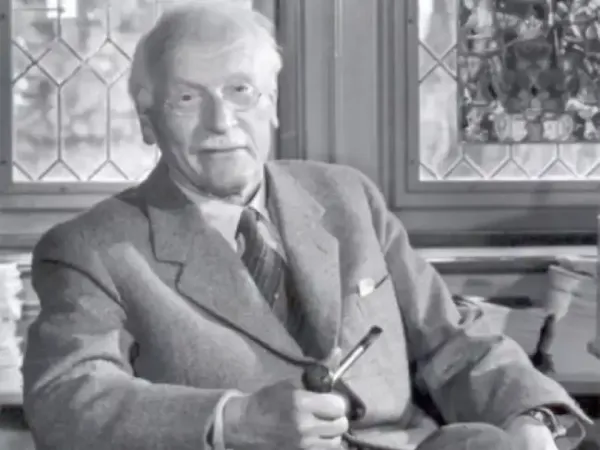
In today’s fast-paced world, where children often grow up under invisible pressure, Carl Jung’s words feel more relevant than ever. His quote about children carrying the “unlived life” of their parents feels especially relevant today, when many young people grow up going through expectations that are not entirely their own. Though written decades ago, Carl's insight speaks directly to modern family dynamics, emotional pressure, and the quiet struggles passed down across generations.
Carl Jung's quote's meaning and its relevancy today's world
He once said, "The greatest burden a child must bear is the unlived life of the parents." Carl Jung’s quote points to a simple but powerful idea: when parents are unable to fulfill their own dreams or resolve personal disappointments, those unfinished lives can silently shape their children’s futures. According to Jung, this often happens unconsciously.
Parents may push children towards certain careers, goals, or lifestyles not because they suit the child, but because they reflect what the parent once wanted. Over time, this pressure can influence a child’s identity, making them seek approval instead of discovering their own path. Jung warned that this emotional inheritance can lead children to either repeat their parents’ limitations or rebel against them, creating inner conflict, guilt, and confusion.
The quote remains deeply relevant today. From academic pressure to expectations around sports, careers, and social success, many parents unintentionally project their fears and unfulfilled ambitions onto their children. Jung believed that one of the greatest gifts parents can offer is working through their own struggles. By living honestly and addressing their own unmet dreams, parents free their children from carrying that emotional weight. In Jung’s view, emotional freedom allows children to grow into their authentic selves rather than living borrowed lives.
More about Carl Jung
Carl Jung’s own life experiences strongly influenced these ideas. Born in 1875, Jung grew up in Switzerland as the son of a pastor and philologist. His childhood was often described as lonely, but it was also filled with imagination and deep observation. Jung closely watched the adults around him, particularly his father, whose struggle with faith troubled him.
Despite a strong family tradition in religion, Carl Jung chose a different path. He studied medicine at the University of Basel and later specialised in psychiatry, earning his medical degree in 1902. His work at the Burghölzli Asylum in Zurich under psychiatrist Eugen Bleuler became a turning point. There, Jung studied patients’ word associations and discovered emotionally charged ideas hidden in the unconscious mind. He called these clusters of emotions and memories “complexes,” a concept that would become central to modern psychology.
Jung later collaborated with Sigmund Freud, gaining international recognition. However, their partnership ended due to theoretical differences, particularly Jung’s rejection of Freud’s emphasis on sexuality as the root of all neuroses. Jung went on to develop his own ideas, including introversion and extraversion, personality functions, archetypes, and the concept of the collective unconscious.
Until his death in 1961, Jung continued to study how people could find meaning by understanding themselves better, a process he called “individuation,” or becoming one’s true self.
Carl Jung's quote's meaning and its relevancy today's world
He once said, "The greatest burden a child must bear is the unlived life of the parents." Carl Jung’s quote points to a simple but powerful idea: when parents are unable to fulfill their own dreams or resolve personal disappointments, those unfinished lives can silently shape their children’s futures. According to Jung, this often happens unconsciously.Parents may push children towards certain careers, goals, or lifestyles not because they suit the child, but because they reflect what the parent once wanted. Over time, this pressure can influence a child’s identity, making them seek approval instead of discovering their own path. Jung warned that this emotional inheritance can lead children to either repeat their parents’ limitations or rebel against them, creating inner conflict, guilt, and confusion.
The quote remains deeply relevant today. From academic pressure to expectations around sports, careers, and social success, many parents unintentionally project their fears and unfulfilled ambitions onto their children. Jung believed that one of the greatest gifts parents can offer is working through their own struggles. By living honestly and addressing their own unmet dreams, parents free their children from carrying that emotional weight. In Jung’s view, emotional freedom allows children to grow into their authentic selves rather than living borrowed lives.
More about Carl Jung
Carl Jung’s own life experiences strongly influenced these ideas. Born in 1875, Jung grew up in Switzerland as the son of a pastor and philologist. His childhood was often described as lonely, but it was also filled with imagination and deep observation. Jung closely watched the adults around him, particularly his father, whose struggle with faith troubled him. Despite a strong family tradition in religion, Carl Jung chose a different path. He studied medicine at the University of Basel and later specialised in psychiatry, earning his medical degree in 1902. His work at the Burghölzli Asylum in Zurich under psychiatrist Eugen Bleuler became a turning point. There, Jung studied patients’ word associations and discovered emotionally charged ideas hidden in the unconscious mind. He called these clusters of emotions and memories “complexes,” a concept that would become central to modern psychology.
Jung later collaborated with Sigmund Freud, gaining international recognition. However, their partnership ended due to theoretical differences, particularly Jung’s rejection of Freud’s emphasis on sexuality as the root of all neuroses. Jung went on to develop his own ideas, including introversion and extraversion, personality functions, archetypes, and the concept of the collective unconscious.
Until his death in 1961, Jung continued to study how people could find meaning by understanding themselves better, a process he called “individuation,” or becoming one’s true self.
( Originally published on Jan 17, 2026 )