Baby Blues vs Postpartum Depression: How to Tell the Signs Apart
Pregatips | January 22, 2026 7:41 PM CST
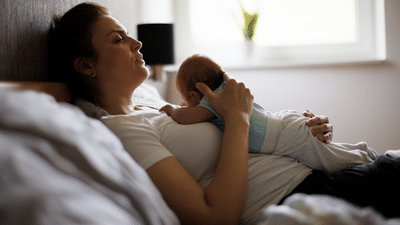
Having a baby changes your life overnight. Everyone tells you it will be magical, and in many ways, it is. But there’s also a side that no one really prepares you for. Becoming a new parent can feel confusing and even scary at times. These emotional ups and downs are more common than people talk about, and many people go through them quietly, thinking something is wrong with them.
This is where the difference between baby blues and postpartum depression (PPD) becomes important. Understanding these two experiences is the first step toward feeling better and knowing when to reach out for help.
What Are the Baby Blues?
Baby blues are very common, with up to 80 per cent of new parents experiencing them. They usually begin 2 to 5 days after delivery and tend to fade on their own within about 2 weeks. Your body has just gone through an enormous change. The pregnancy hormones that stayed high for nine months, especially oestrogen and progesterone, drop sharply in a very short time. When you add sleepless nights, a sore and exhausted body, and a new responsibility for your baby, it is completely natural for your emotions to feel all over the place.
The reassuring part is that baby blues are temporary and usually do not need medical treatment. Getting some rest, allowing yourself to cry when you need to, and receiving comfort from loved ones are often enough to help you feel like yourself again.
What Is Postpartum Depression (PPD)?
Postpartum depression is different. It lasts longer and affects about 1 in 7 new parents. It can begin at any time within the first year after birth, although it most commonly appears in the first 6 weeks. While the same sudden drop in hormones plays a role, other factors such as a history of depression, ongoing stress, or lack of support can make the feelings more intense and harder to manage.
Unlike baby blues, postpartum depression does not usually go away on its own. It can make even simple, everyday tasks feel overwhelming and unmanageable. That is why reaching out for help as early as possible is so important.
What are the Symptoms of Baby Blues
In the days following birth, you may notice sudden emotional shifts that feel confusing or out of character. Common symptoms of baby blues include:
What are the Symptoms of Postpartum Depression
When the feelings go beyond mood swings and start to feel constant or overwhelming, it may be a sign of postpartum depression. You may notice the following symptoms:
What Are the Differences Between Baby Blues and Postpartum Depression?
If you want to understand how these two conditions differ, take a look at the table below:
Baby blues usually pass with time, but if your feelings become heavier or last longer than 2 weeks, it may be a sign of postpartum depression. Just remember that feeling exhausted or even detached does not mean you are a bad parent or that you don’t love your baby. These feelings are your body and mind adjusting to one of the biggest changes life can bring.
Whether you’re pregnant, a new mom, or navigating postpartum, you don’t have to do it alone. Join our support group to connect, share, and support one another.
FAQs on Baby Blues vs Postpartum Depression: How to Tell the Signs Apart
Can social media worsen postpartum depression?
Yes. Constant exposure to idealised parenthood can lead to unhealthy comparisons and low self-esteem.
How to handle body image issues after delivery?
Focus on what your body has achieved, give yourself time to heal, and practice realistic self-care instead of comparison.
This is where the difference between baby blues and postpartum depression (PPD) becomes important. Understanding these two experiences is the first step toward feeling better and knowing when to reach out for help.
What Are the Baby Blues?
Baby blues are very common, with up to 80 per cent of new parents experiencing them. They usually begin 2 to 5 days after delivery and tend to fade on their own within about 2 weeks. Your body has just gone through an enormous change. The pregnancy hormones that stayed high for nine months, especially oestrogen and progesterone, drop sharply in a very short time. When you add sleepless nights, a sore and exhausted body, and a new responsibility for your baby, it is completely natural for your emotions to feel all over the place.
The reassuring part is that baby blues are temporary and usually do not need medical treatment. Getting some rest, allowing yourself to cry when you need to, and receiving comfort from loved ones are often enough to help you feel like yourself again.
What Is Postpartum Depression (PPD)?
Postpartum depression is different. It lasts longer and affects about 1 in 7 new parents. It can begin at any time within the first year after birth, although it most commonly appears in the first 6 weeks. While the same sudden drop in hormones plays a role, other factors such as a history of depression, ongoing stress, or lack of support can make the feelings more intense and harder to manage.
Unlike baby blues, postpartum depression does not usually go away on its own. It can make even simple, everyday tasks feel overwhelming and unmanageable. That is why reaching out for help as early as possible is so important.
What are the Symptoms of Baby Blues
In the days following birth, you may notice sudden emotional shifts that feel confusing or out of character. Common symptoms of baby blues include:
- Mood swings that move from happy to tearful within minutes
- Crying for no clear reason
- Feeling irritable or impatient
- Anxiety about the baby or being a good parent
- Trouble concentrating
- Feeling overwhelmed and exhausted
- Difficulty sleeping even when the baby is asleep
What are the Symptoms of Postpartum Depression
When the feelings go beyond mood swings and start to feel constant or overwhelming, it may be a sign of postpartum depression. You may notice the following symptoms:
- Persistent sadness, emptiness, or a sense of hopelessness
- Strong feelings of guilt, worthlessness, or feeling like a bad parent
- Loss of interest in things you once enjoyed
- Extreme tiredness that does not improve with rest
- Changes in appetite
- Panic attacks or constant, intense worry
- Withdrawing from family and friends
- Difficulty bonding or connecting with your baby
- Angry outbursts or feeling unusually irritable
- Trouble thinking clearly or making simple decisions
- Thoughts of harming yourself or your baby, which are rare but very serious
What Are the Differences Between Baby Blues and Postpartum Depression?
If you want to understand how these two conditions differ, take a look at the table below:
| Aspect |
Baby Blues |
Postpartum Depression (PPD) |
| Onset |
Starts within a few days after delivery (usually day 2 to 3) |
Can begin weeks or even months after childbirth |
| Duration |
Lasts up to 2 weeks |
Persists for months or longer without treatment |
| Severity of symptoms |
Mild to moderate mood swings, tearfulness, restlessness |
Intense sadness, hopelessness, worthlessness, or numbness |
| Emotional state |
Feeling overwhelmed, sensitive, and anxious |
Deep despair, persistent low mood, frequent crying |
| Impact on daily life |
Daily activities and baby care are still manageable |
Daily functioning and caregiving may feel impossible |
| Bonding with baby |
Bonding is usually present |
Difficulty bonding with the baby |
| Sleep and appetite changes |
Slight changes, often linked to newborn care routines |
Significant changes not solely related to baby care |
| Thought patterns |
No harmful or unsafe thoughts |
May include thoughts of self-harm or harming the baby |
| Need for treatment |
Usually improves with rest and support |
Requires professional treatment |
Baby blues usually pass with time, but if your feelings become heavier or last longer than 2 weeks, it may be a sign of postpartum depression. Just remember that feeling exhausted or even detached does not mean you are a bad parent or that you don’t love your baby. These feelings are your body and mind adjusting to one of the biggest changes life can bring.
Whether you’re pregnant, a new mom, or navigating postpartum, you don’t have to do it alone. Join our support group to connect, share, and support one another.
FAQs on Baby Blues vs Postpartum Depression: How to Tell the Signs Apart
Yes. Constant exposure to idealised parenthood can lead to unhealthy comparisons and low self-esteem.
Focus on what your body has achieved, give yourself time to heal, and practice realistic self-care instead of comparison.
READ NEXT
-
Became a selector at the age of 37, now announced to leave the post, gave shocking reason
-
Why Did Greenwich LifeSciences Stock Soar Pre-Market Today?
-
Rocket Lab Deploys Two Open Cosmos Spacecraft In Its First Electron Launch Of 2026

-
Why do women get morning sickness during pregnancy? “Gynecologist told the reason and when the problem increases.. – News Himachali News Himachali
-
Not Border 2-Dhurandhar, these 5 films broke records through advance booking. Top 5 Indian Films Highest Advance Booking Record Border 2 Not In List