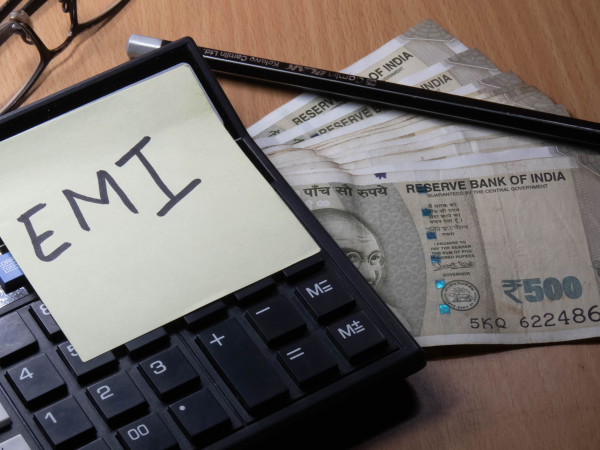
When taking out a loan, no one starts making EMI payments thinking they will ever miss an installment. But life doesn't always go according to plan. Late salaries, medical expenses, job changes, or unexpected large expenses can all lead to missed EMI payments. The question isn't whether an EMI was missed, but rather what happens afterward and how you handle it.
What happens if the first EMI is missed?
When you miss your first EMI payment, most banks and NBFCs (Non-Banking Financial Companies) don't consider it a serious default. Initially, you'll receive reminders via SMS, email, and phone calls. A late fee will also be added. If you make the payment within a few days or a month, your credit score usually won't be significantly affected. It serves as a warning that you need to be more careful.
The situation changes drastically after the second missed EMI.
If the second consecutive installment is also missed, the matter becomes serious. The loan is considered overdue for more than 60 days. At this stage, the bank's calls become more frequent, and the tone may become stricter. For unsecured loans like personal loans or credit cards, the recovery team may become active. The biggest blow at this stage is to your credit score, which can drop significantly.
If the loan remains unpaid for three months, it is considered a Non-Performing Asset (NPA) according to regulations. The bank may then send a formal notice. For secured loans like home loans or car loans, the recovery process may begin. For unsecured loans, legal action or settlement negotiations may follow. At this stage, the damage to your credit record is not easily repaired.
How do expenses quietly pile up?
Many people think that only the EMI payment is delayed, but in reality, the expenses keep increasing. Interest continues to accrue on the outstanding amount, penalties are added, and in some cases, the bank may even increase the interest rate. If recovery proceedings begin, legal notices and collection charges may also be added, significantly increasing the total outstanding amount. The Biggest Mistake: Staying Silent
The biggest mistake after missing an EMI payment is not contacting the bank. The ideal time to contact them is after the first or second missed payment. At this stage, the loan is still considered in good standing, and the bank has more options to help.
If you contact them promptly and clearly explain your situation, the bank can offer various forms of relief. Options such as a temporary moratorium, temporarily reducing EMI payments, paying only the interest for a few months, or extending the loan tenure are all possible. Restructuring is relatively easier in the case of home loans.
Why should settlement be the last resort?
While settlement is an option for personal loans or credit cards, it has a long-term impact on your credit report. Therefore, it should only be considered when all other options have been exhausted. Panicking after missing two EMI payments is not the right approach, but if you then stop answering calls, replying to emails, and avoiding communication, a small problem can escalate into a major one. The wisest course of action is to communicate promptly, explain your situation, and work towards a solution.
Disclaimer: This content has been sourced and edited from Zee Business. While we have made modifications for clarity and presentation, the original content belongs to its respective authors and website. We do not claim ownership of the content.
-
Hair will become stronger from the roots with these hair oils.

-
Wire vs Wireless mouse: Which is faster and better for work and gaming? Features, Performance and speed compared | Technology News

-
WPL 2026: Gujarat Giants register an impressive win by defeating UP Warriors in Vadodara. Read

-
Premier League 2025-26: Bergvall joins Tottenham’s injury list; Coach Frank says troubled Spurs ‘going in right direction’

-
‘No Need To Politicise, It Is Very Safe, You Should Visit’: Lalit Modi Urges Bangladesh To Play T20 World Cup Matches In India