Raising a Child With Androgen Insensitivity Syndrome: Health, Hormones, Fertility and Emotional Support
Pregatips | January 22, 2026 11:40 PM CST
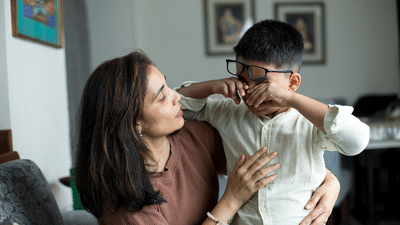
Raising a child with Androgen Insensitivity Syndrome (AIS) requires parents to understand both medical and emotional needs from an early stage. AIS affects how a child’s body responds to male hormones, which influences physical development, puberty changes, and future reproductive health.
Parents often face many questions, concerns, and decisions as their child grows. While planning for a child’s health and fertility is crucial, emotions play an equally important role, as children need a safe space to express their feelings. Let’s discuss how early medical care and steady emotional support can help parents help their child build confidence, feel secure, and grow healthy.
What is AIS?
Androgen Insensitivity Syndrome is a genetic condition in which the body does not respond appropriately to male hormones called androgens. A child with AIS usually has XY chromosomes but develops physical traits that may appear typically female or partially male, depending on the type of AIS. Doctors classify AIS into three forms: complete, partial, and mild.
In complete AIS, the body does not respond to androgens. As a result, the child develops external female physical traits despite having male chromosomes. In partial AIS, the body responds only partially to hormones, leading to mixed physical features. On the other hand, in mild AIS, the body reacts more normally, though subtle differences may still appear, often during puberty or adulthood.
How Does AIS Affect Physical Growth, Hormones, Fertility, and Emotional Health?
Androgen Insensitivity Syndrome (AIS) affects different parts of a child’s growth and overall well-being. The condition influences how the body develops, how hormones work, future fertility, and emotional health. The impact depends on the type of AIS and how strongly the body responds to male hormones.
How to Raise a Child With Androgen Insensitivity Syndrome?
Raising a child with AIS requires understanding, patience, and steady support. When parents combine medical guidance with emotional care, they help their child grow with confidence, security, and emotional strength. Here’s how to raise a child with AIS.
Note: These guidance points offer general support and education only. Parents must always follow personalised advice from a qualified doctor for diagnosis, treatment, and long-term care decisions related to Androgen Insensitivity Syndrome. Furthermore, consult your doctor before following a specific diet or an exercise routine.
Raising a child with Androgen Insensitivity Syndrome requires medical guidance, emotional strength, and steady family support. Implementing the right tips, such as timely health care, honest communication, and strong emotional care, may help children lead healthy and confident lives. Furthermore, family understanding and acceptance play the most powerful role in a child’s long-term well-being.
Whether you’re pregnant, a new mom, or navigating postpartum, you don’t have to do it alone. Join our support group to connect, share, and support one another.
FAQs on Raising a Child With Androgen Insensitivity Syndrome
Is AIS a life-threatening condition?
No. AIS does not shorten life expectancy when a doctor appropriately manages it.
Will my child need lifelong medical care?
Yes. Most children with AIS need periodic hormone and health monitoring.
Parents often face many questions, concerns, and decisions as their child grows. While planning for a child’s health and fertility is crucial, emotions play an equally important role, as children need a safe space to express their feelings. Let’s discuss how early medical care and steady emotional support can help parents help their child build confidence, feel secure, and grow healthy.
What is AIS?
Androgen Insensitivity Syndrome is a genetic condition in which the body does not respond appropriately to male hormones called androgens. A child with AIS usually has XY chromosomes but develops physical traits that may appear typically female or partially male, depending on the type of AIS. Doctors classify AIS into three forms: complete, partial, and mild.
In complete AIS, the body does not respond to androgens. As a result, the child develops external female physical traits despite having male chromosomes. In partial AIS, the body responds only partially to hormones, leading to mixed physical features. On the other hand, in mild AIS, the body reacts more normally, though subtle differences may still appear, often during puberty or adulthood.
How Does AIS Affect Physical Growth, Hormones, Fertility, and Emotional Health?
Androgen Insensitivity Syndrome (AIS) affects different parts of a child’s growth and overall well-being. The condition influences how the body develops, how hormones work, future fertility, and emotional health. The impact depends on the type of AIS and how strongly the body responds to male hormones.
- Physical Growth
- Hormone Function
- Fertility Health
- Emotional Health
How to Raise a Child With Androgen Insensitivity Syndrome?
Raising a child with AIS requires understanding, patience, and steady support. When parents combine medical guidance with emotional care, they help their child grow with confidence, security, and emotional strength. Here’s how to raise a child with AIS.
- Learn About AIS and Stay Updated
- Build Open and Trusting Communication
- Offer Strong and Consistent Emotional Support
- Maintain Regular Medical Care and Follow-Up
- Promote Self-Acceptance & a Healthy Daily Routine
Note: These guidance points offer general support and education only. Parents must always follow personalised advice from a qualified doctor for diagnosis, treatment, and long-term care decisions related to Androgen Insensitivity Syndrome. Furthermore, consult your doctor before following a specific diet or an exercise routine.
Raising a child with Androgen Insensitivity Syndrome requires medical guidance, emotional strength, and steady family support. Implementing the right tips, such as timely health care, honest communication, and strong emotional care, may help children lead healthy and confident lives. Furthermore, family understanding and acceptance play the most powerful role in a child’s long-term well-being.
Whether you’re pregnant, a new mom, or navigating postpartum, you don’t have to do it alone. Join our support group to connect, share, and support one another.
FAQs on Raising a Child With Androgen Insensitivity Syndrome
No. AIS does not shorten life expectancy when a doctor appropriately manages it.
Yes. Most children with AIS need periodic hormone and health monitoring.
READ NEXT
-
When Suniel Shetty gave advice to son Ahan Shetty on the comparison of Border’s legacy, ‘Just be honest with your role’

-
Palaash Muchhal faces cheating allegations after a person from Maharashtra files Rs 40 lakh complaint

-
Supreme Court stays disqualification of Mukul Roy as MLA

-
Trump casts doubt on Kevin Hassett as Fed chair as Kevin Warsh takes the lead

-
Quote of the day by Selena Gomez: “I realize everybody wants what they don’t have. But at the end of the day, what you have inside is much more beautiful than what’s on the outside.”