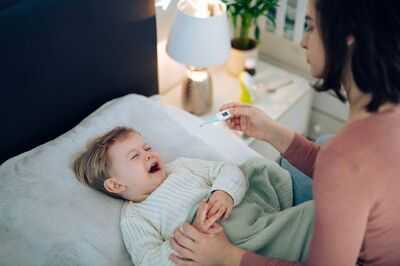
The UK Health Security Agency (UKHSA) has issued a warning on social media. Taking to X, formerly Twitter, the experts have urged people to keep an eye out for the "common childhood condition."
The UKHSA writes: "Croup is a common childhood conditionthat affects the windpipe, the airways to the lungs, and the voice box. It mainly affects babies and young children."
It's primarily caused by viruses, most often the parainfluenza virus. However, other common illnesses like the flu, the cold, and RSV can also trigger it.
- Meghan Markle 'excluded from 'high-stakes' Royal Family meeting after major fear
- Expert on subtle dementia symptom in everyday life – it's not memory loss
In rare cases, croup may occur if your child inhales a small object, has a severe allergic reaction, or is exposed to chemical irritants. These viruses spread through close personal contact, touching contaminated surfaces, or inhaling droplets from an infected person's coughs and sneezes.
Signs and symptoms warning
The UKHSA is asking parents to be aware that this condition "affects the windpipe, the airways to the lungs, and the voice box."
While it "mainly affects babies and young children, typically those aged between 6 months and 3 years", the UKHSA states that "most cases occur in 1-year-olds."
With it also being January, the warning is even more important as "croup is most common during late autumn and early winter" - and "a child can get croup more than once."
An infected person is typically most contagious during the first few days of the illness when they have a fever and cold-like symptoms.
What are the symptoms of croup?At the start, your child may have cold-like symptoms such as a cough, runny nose or a temperature. Croup symptoms, like the ones below, often appear a few days after. These include:
Signs of croup include:
- a distinctive barking cough that may sound like a seal
- a high-pitched, rasping sound when breathing in (known as stridor)
- a hoarse voice
- difficulty breathing
You may find that symptoms get worse at night. The UKHSA explain: "Croup is often worse at night due to a combination of factors: natural cycles of the body’s hormones (leading to increased inflammation and increased mucus production), lying flat (allowing mucus to pool and narrow airways, or worsening acid reflux to cause inflammation), and cooler/drier air irritating the throat."
All of these "exacerbate the inflammation and swelling in the windpipe that causes the characteristic barking cough and stridor (noisy breathing)."
While adults can catch the same viruses that cause croup, they rarely get the 'barking' cough because their airways are much larger and harder to block. Instead, these viruses can just feel like a bad cold, laryngitis or bronchitis. But some serious cases can still happen and may require hospital treatment.
Call 111 or your GP - but you may need to call 999You may need to call NHS 111 or see your GP if you think your child has croup. Even though it's usually mild, your child may need treatment.
NHS guidance is to seek emergency help immediately if your child:
- is struggling to breathe
- has blue, grey, pale or blotchy skin, lips or tongue
- is sleepier than normal or difficult to wake
- is unusually quiet, still, limp or unresponsive
- is very upset or restless with breathing difficulties that won't calm down
- is drooling more than usual, finding it hard to swallow, or wants to sit rather than lie down
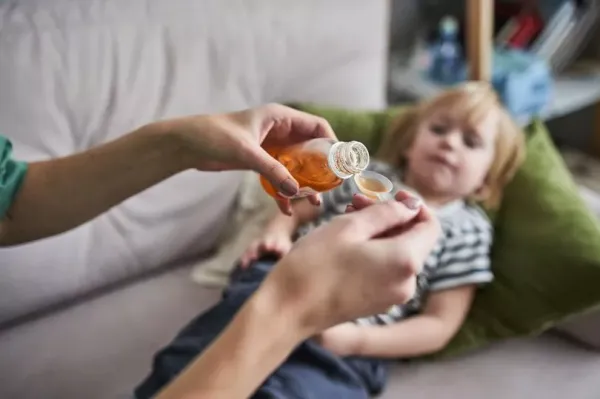
Thankfully, croup often gets better on its own within 48 hours. If NHS 111 or your doctor confirms your child has mild croup, you can help them by:
- sitting your child upright rather than letting them lie down
- comforting them and keeping them calm, as crying can make symptoms worse
- giving them plenty of fluids
- checking on them regularly, including at night
- giving paracetamol or ibuprofen to ease a high temperature or discomfort
The UKHSA notes: "Vaccination can help protect against some of the viruses that cause croup, such as flu and RSV."
Groups eligible for the flu vaccine in the current season include:
- pregnant women
- young children
- people with certain long-term health conditions
- older adults aged 65 years and over
A list of who is eligible is available here.
One thing to avoidThe health experts stress: "Do not put your child in a steamy room or get them to inhale steam, as this is no longer recommended. There is no evidence that it helps, and there's a risk of scalding children with hot water or steam."
Return to school or nursery?Your child should be able to return once their fever has gone and they feel well enough to do normal activities, even if they still have a cough. But be sure to keep them at home if they have a fever, are lethargic, or have breathing difficulties.
-
Arsenal tracking wonderkid dubbed 'Balkan Barella' as club president details £17m transfer bid

-
Simple 10 minute procedure helps save 50,000 lives in a year

-
Middlesbrough players' true feelings on Michael Carrick after Man Utd manager return

-
'Stealing our work...': Scarlett Johansson-Cate Blanchett sign anti-AI campaign

-
Escape to the Chateau Dick and Angel announce 'we're back' and fans are thrilled