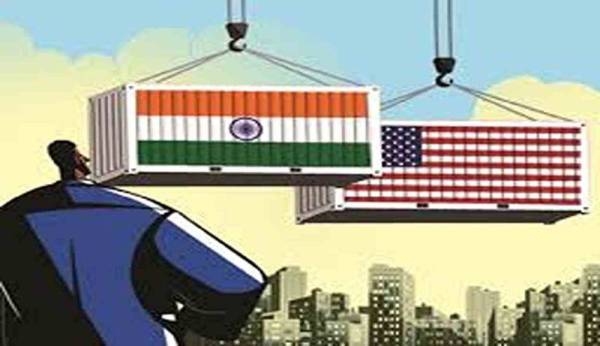
How India’s Strategic: European policymakers facing pressure from Washington’s aggressive trade tariffs are increasingly looking toward India for cues on how to respond without escalating tensions. According to recent international commentary, India’s approach under Prime Minister Narendra Modi is being seen as a case study in strategic restraint combined with long-term ambition.
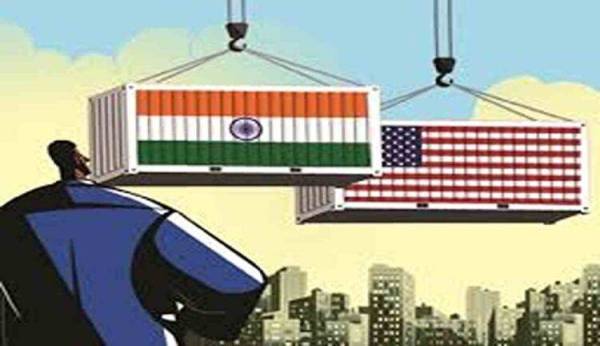
Global Attention on India’s Diplomatic Balancing Act
A recent newsletter published by The Economist highlighted how India has managed external pressure through what it described as pragmatic and resilient leadership. Rather than reacting impulsively to economic coercion, New Delhi has adopted a measured stance, signaling that it can absorb short-term pain without compromising long-term interests.
This approach has drawn particular interest in Europe, where leaders are struggling to respond to trade measures imposed by Washington. India’s response suggests that patience, combined with structural reform, can reduce external leverage over time.
Resetting Relationships Without Concessions
Under the current administration, India has cautiously improved relations with China, including easing restrictions on certain types of investment. At the same time, the government has pushed forward with multiple trade negotiations, including an anticipated agreement with the European Union.
Although tariffs imposed by the United States remain in force and continue to hurt some exporters, India has avoided hasty compromises. This steady posture has, according to observers, reduced the bargaining power of Donald Trump, even as trade frictions persist.
Using External Pressure to Drive Internal Reform
Rather than allowing global headwinds to stall progress, the Indian government has used foreign pressure as justification to accelerate domestic reforms. Tax systems have been simplified, long-standing regulatory barriers have been reduced, and sectors once considered sensitive, such as nuclear energy and electricity distribution, have been opened to private and foreign participation.
One of the most significant changes has been the overhaul of employment laws. These reforms aim to help manufacturers scale operations and compete internationally, a long-standing weakness in India’s industrial ecosystem. Notably, resistance to labor deregulation has been far more muted than expected, reflecting public recognition of the need for change in a more competitive global environment.
Political Setbacks and Economic Resolve
The reform journey has not been without obstacles. During the government’s second term, momentum slowed after widespread protests against agricultural reforms created political caution. Still, analysts argue that the broader direction remained intact, with setbacks serving as lessons rather than deterrents.
When the ruling Bharatiya Janata Party lost its single-party majority in the 2024 general election and became dependent on coalition partners, doubts emerged about policy continuity. Many expected that a renewed leadership in Washington might strengthen India’s position, given earlier personal rapport between leaders. Instead, higher tariffs were imposed, pushing total duties on some exports to punitive levels.
Economic Performance Amid Uncertainty
Despite these challenges, India’s macroeconomic indicators have shown resilience. Economic growth exceeded expectations, with strong expansion recorded through the third quarter. Official forecasts for the 2026 fiscal year were revised upward, reinforcing optimism ahead of key budget decisions.
At the same time, concerns remain. Private investment has been sluggish, foreign portfolio investors have reduced exposure to Indian equities, and the national currency touched record lows against the dollar. Yet analysts point to a combination of favorable demographics, disciplined macroeconomic policy, and ongoing structural reform as reasons for confidence over both the short and long term.
A Calculated Risk for Long-Term Gain
While India has historically remained on the periphery of the global economy, recent trends suggest a shift toward greater relevance. The prevailing view among observers is that the risks associated with transforming the economy are now lower than the risks of standing still.
For European leaders navigating their own trade challenges, India’s experience offers a clear takeaway: even amid global turbulence and protectionist pressures, strategic patience combined with internal reform can turn adversity into opportunity.
-
Video Of Irfan Pathan Hugging, Shaking Hands With Pakistani Players Goes Viral - WATCH

-
BJP's Thiruvananthapuram Win Signals Kerala Change, Like Gujarat's Rise: PM Modi In Kerala
-
Amazon’s Next Layoff Round Could Start January 27, Putting 16,000 Jobs At Risk
-
Shashi Tharoor To Skip Key Congress Meet For Kerala Polls After 'Insult' At Rahul Gandhi's Event
-
Is Anushka Sharma Set To Buy A 3 Per Cent Stake Worth ₹400 Crore In Royal Challengers Bengaluru? Here's What Reports Say