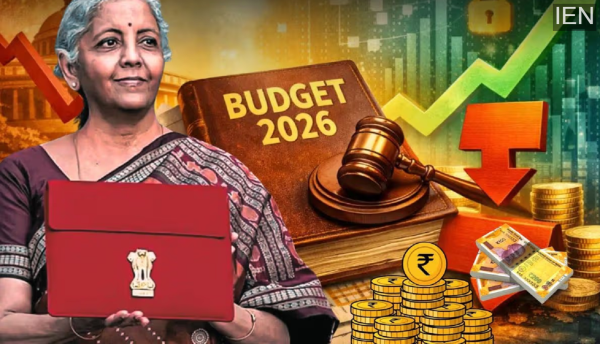
Budget 2026: Tax experts believe that a separate tax slab for senior citizens, a higher basic exemption limit, and extra deductions for medical expenses are necessary in Budget 2026 to provide them with real and dignified tax relief amidst rising inflation, limited income, and health risks.
Budget 2026: The Union Budget 2025, presented by Finance Minister Nirmala Sitharaman, provided significant relief to the middle class and ordinary taxpayers. Under the new tax slabs, annual income up to ₹12 lakh has been made tax-free. If the standard deduction is included, this limit effectively reaches ₹12.75 lakh. This decision is certainly a relief for salaried employees and young taxpayers, but a big question also lurks behind this "tax-friendly" face of the budget: Have senior citizens been overlooked?
Why the increased concern for senior citizens?
In the new tax system, senior citizens (above 60 years) and super senior citizens (above 80 years) are placed in the same tax slabs as younger taxpayers. However, the reality is that economic challenges increase rapidly with age.
Health expenses are constantly rising.
Income sources become limited or fixed after retirement
Medical insurance premiums become more expensive
Dependence on savings and interest for livelihood increases
For this reason, tax experts believe that placing senior citizens in the same tax bracket as ordinary taxpayers is neither practical nor justifiable.
A tax system that ignores age
Ronak Morzaria, Partner at ValueCurve Financial Services, believes that the current tax framework does not do justice to senior citizens. According to him, taxpayers above 60 years of age today have to pay the same amount of tax as those below 60 years, even though their needs and economic circumstances are completely different. After retirement, income becomes limited, while expenses, especially those related to health, increase rapidly. In such a scenario, the tax system should be designed not solely based on income, but also taking into account the realities of age and associated expenses. Experts say that introducing a separate tax slab for senior citizens in the upcoming budget has become a necessity.
Health Expenses and Tax Relief: A Direct Connection
The biggest financial burden for senior citizens is medical expenses, which continuously increase with age. Tax experts believe that the current tax relief is insufficient to cope with these rising costs. According to Abhishek Soni, CEO and Co-founder of Tax2win, senior citizens are in dire need of additional tax support.
The limited medical deduction under Section 80D does not provide adequate relief. If the basic exemption limit is increased and additional deductions are allowed for medical expenses, it could significantly reduce the tax burden on elderly taxpayers. The removal of several traditional exemptions and deductions in the new tax system is having a direct and negative impact on senior citizens.
What to Expect from Budget 2026?
As the Union Budget 2026 approaches, senior citizens and tax experts are closely watching the government. Given the rising inflation, limited income, and rapidly increasing healthcare costs, targeted tax relief is no longer just a demand, but a necessity. Experts believe that the government may consider new measures in Budget 2026, such as:
Separate tax slabs for senior and super senior citizens
Increase in the basic exemption limit
Additional tax deductions for medical expenses and health insurance
Reintroduction of age-based relief in the new tax system
-
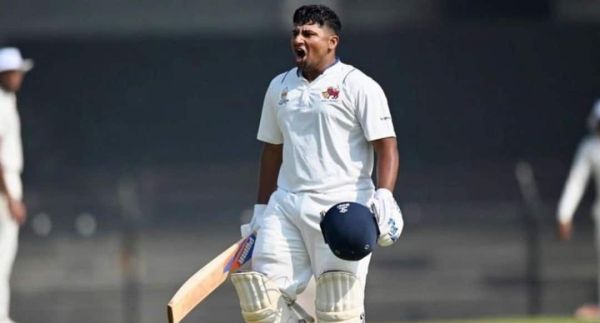
Ranji Trophy: Another Double Ton Puts Sarfaraz Khan Among Ranji Elite
-
‘Dharmendra Ka Beta’: Sunny Deol’s Emotional Tribute To Father In Border 2 Goes Viral

-
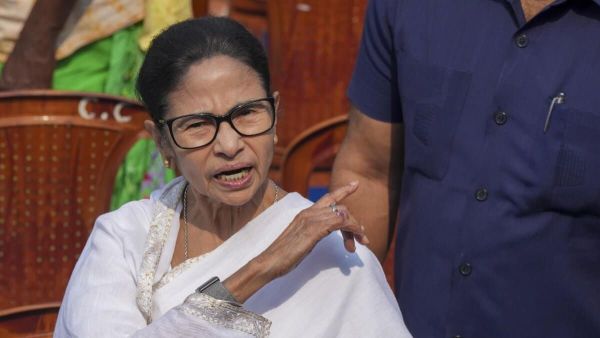
3 to 4 people dying by suicide in Bengal everyday due to SIR: Mamata
-
Shah Rukh Khan set to receive prestigious honour in Dubai

-
Hyderabad rowdy-sheeter gets 2-year prison term for drugs, arms