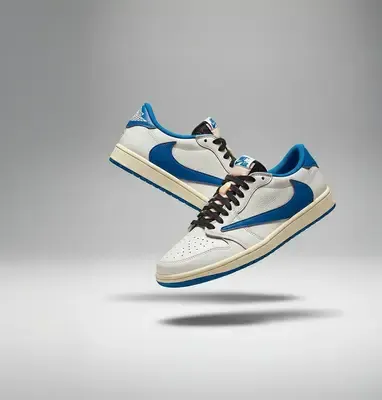
Sneakers have evolved significantly from their athletic origins. Today, the UAE and the wider GCC sit at the intersection of fashion, luxury, and investment. Limited-edition releases sell out in minutes, sometimes seconds, while secondary market prices frequently exceed traditional retail levels. Consumers now track global sneaker drops with the same intensity once reserved for luxury watches and handbags.
Dubai and Jeddah have become central to this shift toward streetwear. High disposable incomes, a young population, and strong social media exposure to Western fashion trends have created an environment where sneaker culture continues to thrive. From luxury malls in Dubai to emerging streetwear brands in Saudi Arabia, demand for premium footwear is accelerating across the region.
The rise of sneaker culture in the Middle East
Social media, global sports brands, and celebrity influence have accelerated the growth of sneaker and streetwear culture across the Middle East. Once-exclusive releases are now closely followed in cities such as Doha, Jeddah, and Dubai. The UAE emerged as an early adopter due to its strong retail presence and tourism, while Saudi Arabia followed rapidly, driven by a young population and expanding retail landscape.
Streetwear played a key role in this shift, as sneakers moved from niche fashion items into everyday wear through collaborations between luxury houses and sports brands, evolving into status symbols and collectible assets rather than simple footwear.
Local events, pop-ups, and social communities strengthened this ecosystem further. Collectors now build their portfolios based on release information, pricing trends, and authenticity verification, with growing interest in curated sneaker collections and limited-edition sneakers that hold long-term value. As a result, the GCC has become one of the fastest-growing sneaker markets outside North America and Europe.
What buyers look for when purchasing premium sneakers
Buyer expectations in the region have changed considerably. Shoppers no longer focus solely on design or brand name. Several key factors now drive purchasing decisions.
Authenticity remains the top priority. With high resale values and limited supply, counterfeit risk is a major concern. Buyers expect verified sourcing, documentation, and transparent authentication processes, which build trust faster than informal resale channels.
Limited stock availability also plays a major role. Scarcity protects long-term pricing and increases resale potential. Many buyers actively track global release calendars and join waitlists to secure specific models rather than purchasing casually.
Condition and storage are equally important. Deadstock pairs with intact boxes, original accessories, and proper storage conditions retain higher resale value. Collectors treat sneakers with the same care as luxury handbags or high-end watches.
The reputation of the reseller matters as well. Buyers and sellers look for consistent quality control, reliable logistics, and secure transactions.
How sneaker marketplaces ensure authenticity
As resale volumes grow, verification standards have become critical. Sneaker marketplaces increasingly operate using luxury-grade authentication models rather than casual resale approaches.
Dubai-based sneaker marketplace Mad Kicks operates across the UAE and other GCC markets, including Saudi Arabia, Qatar, and Kuwait. The platform focuses heavily on controlled sourcing and multi-stage authentication processes to meet regional demand. Each pair passes through detailed inspections covering materials, stitching, packaging, labeling, and SKU consistency.
Quality control extends beyond verification. Storage conditions, handling standards, and protective shipping methods help preserve product integrity and long-term value.
Why the UAE and Saudi Arabia are becoming sneaker hubs
Several factors contribute to the UAE and Saudi Arabia emerging as sneaker hubs within the global market. Tourism plays a major role, particularly in cities such as Dubai and Abu Dhabi, where premium shopping experiences attract international visitors. Limited-edition sneaker releases increasingly form part of destination retail alongside luxury fashion and watches.
High income levels across the GCC support discretionary spending on collectibles, lifestyle items, and fashion investments. Sneakers naturally fit within this spending behaviour. At the same time, streetwear has blended seamlessly with luxury, allowing sneakers to be worn across both casual and upscale wardrobes, supporting year-round demand. Saudi Arabia’s retail expansion under Vision 2030 has also accelerated market growth. New malls, entertainment districts, and lifestyle destinations have expanded access to premium retail, while a young demographic drives experimentation with fashion and online purchasing.
What’s next for the sneaker and resale market
The regional sneaker ecosystem continues to mature. Online platforms are improving pricing transparency, authentication automation, and access to global inventory. Limited-edition sneakers will remain central to collectors, with exclusive drops, regional collaborations, and anniversary releases shaping future demand.
Regional sneaker marketplaces are also expanding beyond transactions by offering education, valuation insights, and market reporting. The GCC sneaker market shows no signs of slowing. With strong consumer demand, improving infrastructure, and rising global relevance, the region is positioned to remain a meaningful contributor to the global sneaker economy in the years ahead.
-
Moong Dal vs Masoor Dal vs chickpeas: Nutritionist explains how to make the right choice for health benefits

-
Cheekatilo X Review: Netizens Dub Sobhita Dhulipala's Crime Thriller 'Predictable' And 'Ordinary', Advise Director Sharan Koppisetty To...

-
The Inside Story Behind Pluto’s Viral ‘Heart’ Image; How a Dwarf Planet Captured the World’s Imagination

-
'There Is No Age Anymore In Sport': Aryna Sabalenka Weighs In On Novak Djokovic's Lasting Dominance Despite Rise In Next Generation

-
Word of the Day: Liminal