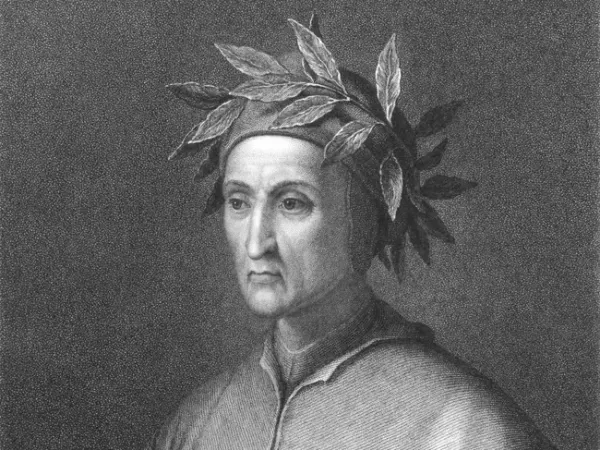
Italian poet Dante Alighieri remains one of the most quoted literary figures centuries after his death, with his words often resurfacing during moments of social and moral debate. One such line, “The darkest places in hell are reserved for those who remain neutral in times of moral crisis,” continues to circulate widely for its stark warning against silence and inaction. Rooted in the moral philosophy that defines Dante’s work, the quote reflects his belief that ethical responsibility cannot be avoided when injustice is unfolding.
At its heart, the quote highlights the danger of choosing neutrality when confronted with wrongdoing. Dante’s moral outlook suggests that remaining silent or detached during times of ethical crisis is not a passive act but a conscious decision that allows injustice to continue. In simple terms, the line argues that failing to take a stand can be as harmful as actively committing a wrong, because silence removes resistance and accountability from the situation.
The idea is closely linked to the moral structure of Inferno, the first part of The Divine Comedy. Dante portrays a world where every soul is judged based on choices made in life. Those who refused to choose between right and wrong are depicted as individuals who lived without moral courage. Their punishment reflects Dante’s view that a life spent avoiding responsibility lacks both honor and purpose.
Dante’s writing repeatedly emphasizes accountability. In Inferno, souls are not condemned by chance but by the choices they made or avoided during their lives. Those who refused to act during moments that demanded moral clarity are portrayed as having wasted their human potential, neither worthy of Heaven nor fully belonging to Hell.
Rather than compromise or remain silent, Dante chose exile. During this period, he completed The Divine Comedy and other major works. His personal suffering reinforced his belief that moral conviction often comes at a cost, but avoiding it leads to deeper failure.
At its heart, the quote highlights the danger of choosing neutrality when confronted with wrongdoing. Dante’s moral outlook suggests that remaining silent or detached during times of ethical crisis is not a passive act but a conscious decision that allows injustice to continue. In simple terms, the line argues that failing to take a stand can be as harmful as actively committing a wrong, because silence removes resistance and accountability from the situation.
The idea is closely linked to the moral structure of Inferno, the first part of The Divine Comedy. Dante portrays a world where every soul is judged based on choices made in life. Those who refused to choose between right and wrong are depicted as individuals who lived without moral courage. Their punishment reflects Dante’s view that a life spent avoiding responsibility lacks both honor and purpose.
Moral responsibility in Dante’s literary world
According to the Poetry Foundation, Dante Alighieri is best known for The Divine Comedy, a three-part epic consisting of Inferno, Purgatorio, and Paradiso. The poem offers a detailed picture of medieval moral thinking, blending theology, philosophy, politics, and personal experience. Dante’s Hell is carefully organized, with punishments designed to mirror the nature of each sin. Moral failure, including deliberate inaction, is treated as a serious offense.Dante’s writing repeatedly emphasizes accountability. In Inferno, souls are not condemned by chance but by the choices they made or avoided during their lives. Those who refused to act during moments that demanded moral clarity are portrayed as having wasted their human potential, neither worthy of Heaven nor fully belonging to Hell.
How Dante’s life shaped his views
Dante’s strong stance on moral responsibility was shaped by his own experiences. Born in Florence around 1265, he was deeply involved in the city’s political life. As noted by the Poetry Foundation and IMDb, Dante aligned himself with the White Guelphs, opposing papal interference in Florentine governance. When the Black Guelphs gained power with papal support, Dante was exiled, fined, and threatened with execution if he returned.Rather than compromise or remain silent, Dante chose exile. During this period, he completed The Divine Comedy and other major works. His personal suffering reinforced his belief that moral conviction often comes at a cost, but avoiding it leads to deeper failure.