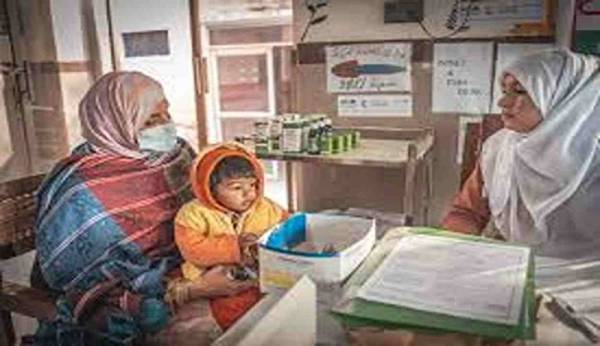
Pakistan’s Rural Areas: Unlicensed medical clinics continue to operate openly across Pakistan, posing a serious threat to public health, particularly in rural and low-income communities. Despite repeated warnings from health authorities and medical experts, hundreds of thousands of individuals without formal medical qualifications are diagnosing illnesses, prescribing medicines, and performing procedures with little to no oversight.
The Reality Inside Informal Clinics
In many villages and small towns, makeshift clinics can be found along roadsides or inside small shops. These spaces often lack basic hygiene standards, medical equipment, or proper storage for medicines. Patients sit on wooden chairs or lie on simple tables while receiving treatment, unaware of the potential risks involved.
Many of these practitioners work during the day as assistants, nurses, or attendants in private hospitals and later open their own clinics in the evenings. They charge minimal consultation fees, making them an attractive option for people who cannot afford certified doctors. Their confidence and familiarity with basic medical terms often convinces patients that they are qualified professionals.
Why Patients Trust Fake Doctors
The primary reason these clinics thrive is trust combined with lack of awareness. In poor and undereducated communities, people struggle to distinguish between licensed doctors and unqualified practitioners. The absence of visible registration numbers, official signboards, or verified credentials often goes unnoticed.
For many families, these clinics are the first and sometimes only source of healthcare. Long distances to government hospitals, overcrowded facilities, and high private healthcare costs push patients toward these informal setups, even when the risks are high.
Scale Of The Healthcare Crisis
Medical associations estimate that more than 600,000 unqualified doctors are currently operating across Pakistan. Health regulators confirm that this number is based on national medical council data and ongoing inspections. Experts describe the situation as a public health emergency rather than an isolated issue.
These individuals often gain limited experience by working alongside trained doctors and then independently begin treating patients. Without proper medical education, they lack knowledge of correct dosages, side effects, and accurate diagnosis, which can turn manageable illnesses into life-threatening conditions.
Serious Health Risks And Consequences
One of the most dangerous aspects of unlicensed clinics is poor infection control. Reused syringes, unsterilized instruments, and improper disposal of medical waste significantly increase the spread of hepatitis, HIV, and other infectious diseases.
Hospitals across the country regularly receive patients whose conditions have worsened due to incorrect treatment. Tertiary care hospitals, already under pressure, are forced to handle complicated cases that could have been avoided with proper early diagnosis.
Impact On Families And Healthcare System
Beyond health risks, the financial impact on families is devastating. When treatments fail, patients are rushed to major hospitals where costs rise sharply. Families often sell assets or take loans to pay medical bills, pushing them deeper into poverty.
Medical professionals warn that many patients either lose their lives or suffer permanent disabilities due to delayed or incorrect care. The emotional and economic toll on families lasts for years.
Weak Enforcement And Regulatory Challenges
Health authorities admit they face severe limitations in tackling the problem. Limited manpower, weak laws, and security threats make enforcement extremely difficult. Clinics shut down one day often reopen the next under a different name or location.
In some cases, inspection teams face violence, intimidation, and even hostage situations while conducting raids. Legal loopholes allow offenders to secure bail quickly, reducing the deterrent effect of enforcement actions.
The Urgent Need For Awareness And Reform
Experts agree that eliminating unqualified medical practice requires stronger laws, better enforcement, and widespread public awareness. Educating communities about how to identify licensed doctors and improving access to affordable healthcare are essential steps.
Until meaningful reforms are implemented, unqualified clinics will continue to operate, putting millions of lives at risk and further straining Pakistan’s fragile healthcare system.
-
Rush Hour: High Court allows bike taxis in Karnataka, rupee falls to 91.9 per US dollar and more

-
'You are not living in alien world', HC slams officials on air pollution issue, warns of pay halt
-
Rising temperatures heighten risk of forest fire: Minister Khandre directs precautions

-
Thousands could be missing out on NHS scheme that saves over £100

-
National C'ships: Top runners in fray as AFI selects national team for Asian Cross-Country