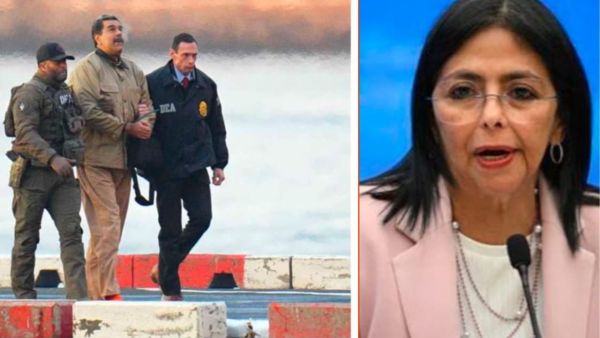
After Nicolás Maduro’s capture, Venezuela faces a leadership crisis. Acting president Delcy Rodríguez claims she was coerced by the US under threat, exposing deep rifts within the ruling elite despite the military’s public backing of her leadership.
Venezuela has been plunged into political turmoil following the dramatic capture of President Nicolás Maduro, triggering a leadership crisis marked by fear, internal fractures, and allegations of coercion by the United States. The fallout has exposed deep divisions within the ruling elite and raised serious questions about how power is being reshaped in the country.

At the centre of the upheaval is Delcy Rodríguez, Venezuela’s acting president after Maduro’s removal. According to accounts shared within the regime and reported by international media, Rodríguez told close associates that the interim leadership was given an ultimatum in the immediate aftermath of Maduro’s capture.
“They gave us 15 minutes to respond, or they would kill us,” she reportedly said, describing what she characterised as intense pressure from US forces. The remark has become emblematic of the atmosphere of panic and uncertainty gripping Caracas.
Rodríguez’s statement has fuelled speculation over whether the post-Maduro transition was the result of a secret deal or decisions made under duress. Reports suggest that Rodríguez and her brother, National Assembly President Jorge Rodríguez, had engaged in discreet backchannel talks with US officials months before Maduro’s capture. These discussions, allegedly facilitated by Qatar, were said to revolve around preparing for a potential leadership transition and avoiding total institutional collapse if Maduro were removed.
The capture itself was preceded by extensive US intelligence operations and military planning. While Washington has framed the move as necessary to restore democracy and stability in Venezuela, critics -- both domestically and internationally -- have described it as a violation of national sovereignty.
Within Venezuela, some senior officials have condemned the operation as an act of coercion, while others appear to have accepted cooperation with the US as the only viable option to prevent chaos.
The Venezuelan military has publicly backed Rodríguez as interim leader, urging citizens to remain calm and return to daily life. However, behind the scenes, the regime is reportedly struggling to maintain unity. Maduro loyalists accuse Rodríguez of betrayal, while opposition voices argue the leadership meltdown underscores years of opaque governance and backroom decision-making.
International reactions have been sharply divided. The United States has moved quickly to shape the transition, signalling support for a new political framework. In contrast, countries such as Russia, China, and several Latin American nations have criticised the capture and warned that it sets a dangerous precedent for regime change through force.
For ordinary Venezuelans, the crisis adds another layer of uncertainty to lives already strained by economic collapse, sanctions, and political instability. Analysts warn that unless the leadership dispute is resolved transparently, Venezuela risks prolonged instability, regardless of who formally holds power. As Delcy Rodríguez’s chilling quote continues to reverberate, it underscores how fear, secrecy, and external pressure are now defining Venezuela’s post-Maduro moment.
-
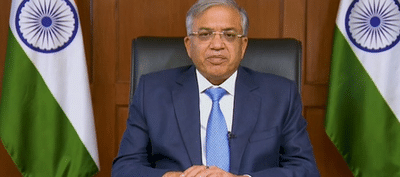
No appeal against Bihar SIR establishes its sanctity: CEC Gyanesh Kumar
-
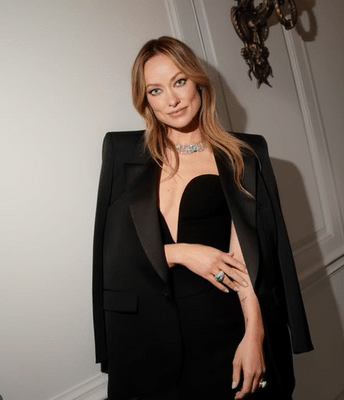
Olivia Wilde instantly hit it off with Cooper Hoffman on sets of her new film
-
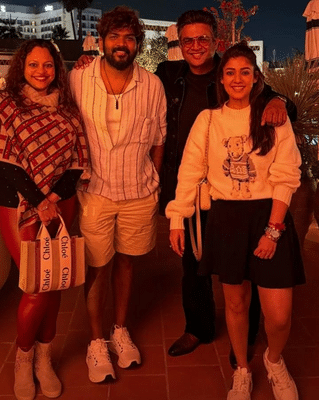
Nayanthara & Vignesh Shivan hang out with their 'favourite couple' R Madhavan & Sarita Birje
-
149 million login credentials of Gmail, Instagram, Facebook leaked: Report

-
Christian Horner F1 return talks confirmed as team boss opens up on negotiations