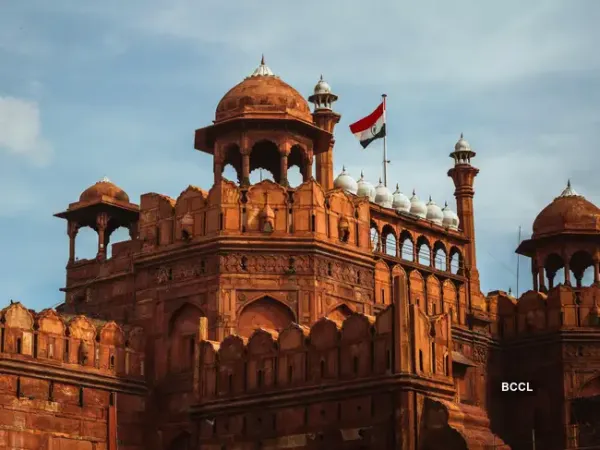
On Monday, January, 26, 2026, India will come together to celebrate its 77th Republic Day, a day that honours the Constitution and the country’s democratic identity. While Independence Day marks freedom from colonial rule, Republic Day celebrates the day India embraced its own laws and governance.
Why Republic Day Is Celebrated on 26 January
Republic Day is observed every year on January 26 to commemorate the date in 1950 when the Constitution of India came into effect. Unlike 15 August, which marks India’s independence from British rule, January 26 symbolises the country’s sovereignty and self-governance. On this day, citizens reflect on the rights and freedoms guaranteed by the Constitution and the responsibilities that come with them.
The Historical Significance of 26 January
The story of January 26 dates back to 1929. At the end of the 1920s, India’s freedom struggle faced a critical moment. The British proposed "Dominion Status," allowing limited self-rule while keeping ultimate authority under the Crown. Many senior leaders accepted this as a practical solution, but younger leaders like Jawaharlal Nehru and Subhas Chandra Bose rejected it, seeking complete independence.
On December, 31, 1929, during the Lahore session of the Indian National Congress, the “Purna Swaraj” (Complete Independence) resolution was passed. The Congress then declared January, 26, 1930 as Independence Day, when Indians publicly pledged to fight for full freedom. This date became a symbol of defiance against colonial rule for 17 years, long before India achieved independence.
From Independence to Republic
When India finally gained independence on August, 15, 1947, the country remained a Dominion under the British legal framework. King George VI was still the ceremonial Head of State, and the nation operated under the Government of India Act 1935. Although independent, India had yet to become a full Republic.
Dr B.R. Ambedkar and the Constituent Assembly spent nearly three years drafting the Constitution. It was adopted on November, 26, 1949, but the leaders chose to implement it on January, 26, 1950. This decision was symbolic: it honoured the original January, 26, 1930, the day India had first pledged for complete independence. On that day, India became a sovereign Republic, the Governor-General’s office was replaced by the President, and the Constitution became the supreme law of the land.
Republic Day 2026: Theme and Celebrations
The theme for Republic Day 2026 is “150 Years of Vande Mataram”, celebrating the national song penned by Bankim Chandra Chattopadhyay. The song inspired generations of Indians during the freedom struggle, and this year’s parade will feature tableaux and performances highlighting its historical significance. Across the country, Republic Day is celebrated with flag hoisting, parades, cultural programmes, and patriotic songs, reflecting the unity and diversity of India.
Republic Day is more than a ceremonial event; it is a reminder of India’s journey from colonial rule to a sovereign, democratic nation. It encourages citizens to uphold the values enshrined in the Constitution, including justice, equality, and freedom. Celebrating this day connects every Indian to the sacrifices of freedom fighters and the responsibilities of living in a Republic.
Inputs from agencies
Why Republic Day Is Celebrated on 26 January
Republic Day is observed every year on January 26 to commemorate the date in 1950 when the Constitution of India came into effect. Unlike 15 August, which marks India’s independence from British rule, January 26 symbolises the country’s sovereignty and self-governance. On this day, citizens reflect on the rights and freedoms guaranteed by the Constitution and the responsibilities that come with them.The Historical Significance of 26 January
The story of January 26 dates back to 1929. At the end of the 1920s, India’s freedom struggle faced a critical moment. The British proposed "Dominion Status," allowing limited self-rule while keeping ultimate authority under the Crown. Many senior leaders accepted this as a practical solution, but younger leaders like Jawaharlal Nehru and Subhas Chandra Bose rejected it, seeking complete independence.On December, 31, 1929, during the Lahore session of the Indian National Congress, the “Purna Swaraj” (Complete Independence) resolution was passed. The Congress then declared January, 26, 1930 as Independence Day, when Indians publicly pledged to fight for full freedom. This date became a symbol of defiance against colonial rule for 17 years, long before India achieved independence.
From Independence to Republic
When India finally gained independence on August, 15, 1947, the country remained a Dominion under the British legal framework. King George VI was still the ceremonial Head of State, and the nation operated under the Government of India Act 1935. Although independent, India had yet to become a full Republic.Dr B.R. Ambedkar and the Constituent Assembly spent nearly three years drafting the Constitution. It was adopted on November, 26, 1949, but the leaders chose to implement it on January, 26, 1950. This decision was symbolic: it honoured the original January, 26, 1930, the day India had first pledged for complete independence. On that day, India became a sovereign Republic, the Governor-General’s office was replaced by the President, and the Constitution became the supreme law of the land.
Republic Day 2026: Theme and Celebrations
The theme for Republic Day 2026 is “150 Years of Vande Mataram”, celebrating the national song penned by Bankim Chandra Chattopadhyay. The song inspired generations of Indians during the freedom struggle, and this year’s parade will feature tableaux and performances highlighting its historical significance. Across the country, Republic Day is celebrated with flag hoisting, parades, cultural programmes, and patriotic songs, reflecting the unity and diversity of India.Republic Day is more than a ceremonial event; it is a reminder of India’s journey from colonial rule to a sovereign, democratic nation. It encourages citizens to uphold the values enshrined in the Constitution, including justice, equality, and freedom. Celebrating this day connects every Indian to the sacrifices of freedom fighters and the responsibilities of living in a Republic.
Inputs from agencies