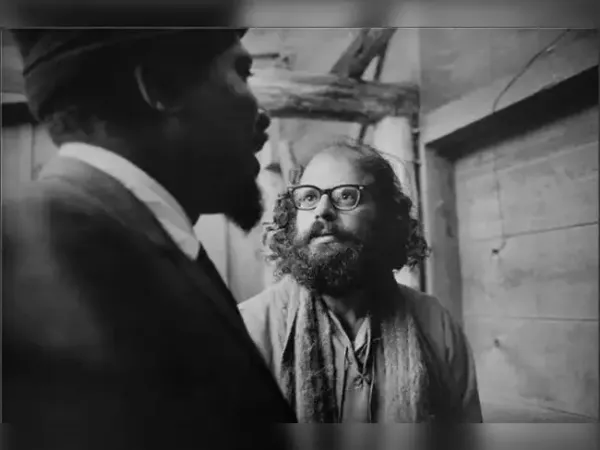
Allen Ginsberg was an acclaimed poet and a leading figure of the Beat Generation whose radical literary works and advocacy for social change left an indelible mark on American counterculture. Born on June 3, 1926, in New Jersey in the US, Allen Ginsberg first came to public attention in 1956 with the publication of Howl and Other Poems (City Lights Books). Allen Ginsberg's epic poem Howl (1956) is considered to be one of the most significant products of the Beat movement and it stunned many traditional critics.
Allen Ginsberg went on to publish many books after Howl, including Kaddish and Other Poems (City Lights, 1961), Planet News: 1961–1967 (City Lights, 1968), and The Fall of America: Poems of These States, 1965–1971 (City Lights, 1973), which won the National Book Award. Shortly after Howl and Other Poems was published in 1956 by City Lights Bookstore, it was banned for obscenity.
In 1979, Ginsberg received a fellowship from the National Endowment for the Arts, and in 1993, he received the Chevalier des Arts et des Lettres (the Order of Arts and Letters) from the French minister of culture. He also cofounded and directed the Jack Kerouac School of Disembodied Poetics at the Naropa Institute in Colorado. In his later years, Ginsberg became a distinguished professor at Brooklyn College.
ALSO READ: Thought of the Day by 'The Shawshank Redemption' star Morgan Freeman: 'The best way to guarantee a loss is to quit'
Ginsberg urges us to trust this inner glow as a guide through life. “Inner moonlight” represents your intuition, imagination, and inner truth—the quiet, guiding light that helps you understand who you really are. Unlike logic or societal rules, it comes from instinct and emotion.
“Don’t hide the madness” doesn’t mean acting recklessly. Here, “madness” refers to your passion, creativity, sensitivity, and unconventional thoughts—qualities that society often labels as strange or unacceptable. Allen Ginsberg believed that these so-called “mad” traits are often the source of originality, art, and deeper understanding.
ALSO READ: Thought of the Day by Jack Nicholson: 'The minute that you're not learning I believe you're dead'
Allen Ginsberg wants to say that if you follow your inner moonlight, it requires bravery because it often means going against social norms, expectations, or fear of judgment. It asks us to honor our vulnerabilities, obsessions, and emotional extremes instead of masking them to appear “normal.” In doing so, we live more honestly and fully.
The thought is a call for authenticity and courage. It urges you to stop masking your true nature out of fear of judgment and to live honestly, even if that means standing apart from the crowd. Ginsberg suggests that embracing your inner light and your imperfections leads to freedom, creativity, and a more meaningful life.
Ultimately, Ginsberg’s words are a reminder that authenticity is not found in restraint but in expression. Creativity, spiritual insight, and personal freedom emerge when we stop silencing the parts of ourselves that feel too loud, too sensitive, or too different. By following our inner moonlight and refusing to hide our madness, we step into a life guided by truth, imagination, and fearless self-acceptance.
ALSO READ: Quote of the Day by ex Wipro CEO Azim Premji: 'If people are not laughing at your goals, your goals are too small'
Allen Ginsberg went on to publish many books after Howl, including Kaddish and Other Poems (City Lights, 1961), Planet News: 1961–1967 (City Lights, 1968), and The Fall of America: Poems of These States, 1965–1971 (City Lights, 1973), which won the National Book Award. Shortly after Howl and Other Poems was published in 1956 by City Lights Bookstore, it was banned for obscenity.
In 1979, Ginsberg received a fellowship from the National Endowment for the Arts, and in 1993, he received the Chevalier des Arts et des Lettres (the Order of Arts and Letters) from the French minister of culture. He also cofounded and directed the Jack Kerouac School of Disembodied Poetics at the Naropa Institute in Colorado. In his later years, Ginsberg became a distinguished professor at Brooklyn College.
ALSO READ: Thought of the Day by 'The Shawshank Redemption' star Morgan Freeman: 'The best way to guarantee a loss is to quit'
Thought of the Day by Allen Ginsberg
Today's thought of the day: 'Follow your inner moonlight; don't hide the madness' is widely attributed to Allen Ginsberg and has been widely and extensively used by various media outlets, publications and websites. The thought by the American poet is a powerful call to embrace one’s authentic self, including the parts that feel strange, intense, or unconventional.Meaning of the quote by Allen Ginsberg
The “inner moonlight” in Allen Ginsberg highlights a quiet, intuitive truth within us and is a powerful reminder by Ginsberg to accept and embrace how we are. The thought tries to convey that moonlight allows room for ambiguity, emotion, creativity, and instinct unlike the harsh clarity of moonlight. Allen Ginsberg wants to convey a simple and humble message- trust your inner voice and embrace your true self, even the parts that feel unusual or intense. Unlike the harsh clarity of daylight, moonlight allows room for ambiguity, emotion, creativity, and instinct.Ginsberg urges us to trust this inner glow as a guide through life. “Inner moonlight” represents your intuition, imagination, and inner truth—the quiet, guiding light that helps you understand who you really are. Unlike logic or societal rules, it comes from instinct and emotion.
“Don’t hide the madness” doesn’t mean acting recklessly. Here, “madness” refers to your passion, creativity, sensitivity, and unconventional thoughts—qualities that society often labels as strange or unacceptable. Allen Ginsberg believed that these so-called “mad” traits are often the source of originality, art, and deeper understanding.
ALSO READ: Thought of the Day by Jack Nicholson: 'The minute that you're not learning I believe you're dead'
Allen Ginsberg wants to say that if you follow your inner moonlight, it requires bravery because it often means going against social norms, expectations, or fear of judgment. It asks us to honor our vulnerabilities, obsessions, and emotional extremes instead of masking them to appear “normal.” In doing so, we live more honestly and fully.
The thought is a call for authenticity and courage. It urges you to stop masking your true nature out of fear of judgment and to live honestly, even if that means standing apart from the crowd. Ginsberg suggests that embracing your inner light and your imperfections leads to freedom, creativity, and a more meaningful life.
Ultimately, Ginsberg’s words are a reminder that authenticity is not found in restraint but in expression. Creativity, spiritual insight, and personal freedom emerge when we stop silencing the parts of ourselves that feel too loud, too sensitive, or too different. By following our inner moonlight and refusing to hide our madness, we step into a life guided by truth, imagination, and fearless self-acceptance.
ALSO READ: Quote of the Day by ex Wipro CEO Azim Premji: 'If people are not laughing at your goals, your goals are too small'