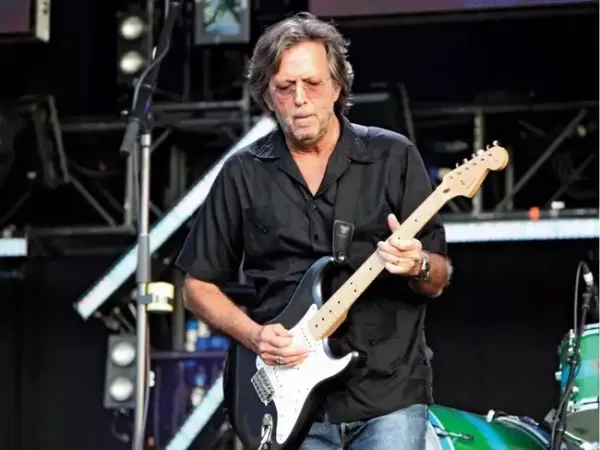
Eric Clapton stands among the most transformative singer-songwriters and guitarists in the history of popular music. Over the decades, his influence has extended far beyond genres, shaping blues, rock, and contemporary guitar playing in lasting ways. His extraordinary command over the instrument earned him some of the highest honors in music journalism and criticism, with major publications consistently ranking him among the greatest guitar players of all time. Despite global fame and acclaim, Clapton’s philosophy toward music remained grounded and deeply emotional. As he once said, “I never set myself too high a goal. It was always tone and feeling, for me.”
Later in 1963, Clapton briefly performed with Casey Jones and the Engineers before securing a place in the Yardbirds, a prominent rhythm and blues outfit. This move proved decisive, as it placed him at the center of Britain’s growing blues revival.
The turning point came when the Yardbirds achieved mainstream success with the song For Your Love. As the group shifted toward a more pop-oriented direction, Clapton grew increasingly disillusioned. Devoted to the authenticity of blues music, he chose to leave the band at the peak of their commercial breakthrough, prioritizing artistic integrity over chart success.
As fame intensified, Clapton grew uncomfortable with the cult-like adoration surrounding him. Seeking balance, he formed a new group built on collaboration rather than hierarchy, deliberately stepping away from the spotlight to function as part of a collective ensemble.
In later years, Clapton’s personal tragedies continued to inform his music. The devastating loss of his young son led to some of his most heartfelt and universally resonant work.
From award-winning releases to his role as a custodian of traditional blues through festivals and recordings, Clapton consistently honored the roots of his craft. His most recent studio album, released in 2024, reaffirmed his enduring relevance and commitment to music as an emotional language.
Early Life and Formative Years
Eric Patrick Clapton was born on March 30, 1945, in the village of Ripley, located in Surrey, England. His mother, Patricia Molly Clapton, was only sixteen at the time of his birth, while his father, Edward Walter Fryer, was a Canadian soldier stationed overseas. Clapton’s early life was shaped by complex family circumstances, which later found subtle echoes in the emotional depth of his music. As a teenager, he developed a strong fascination with American blues, an obsession that would soon guide every major decision in his career.First Steps into the British Blues Scene
In the early 1960s, Clapton began performing publicly, initially forming a duo with fellow blues admirer Dave Brock and playing at local pubs across Surrey. At just seventeen, he joined his first serious band, the Roosters, an early British rhythm and blues group that allowed him to sharpen his skills as a lead guitarist. Although his time with the band was brief, it marked an important transition from amateur performances to professional ambition.Later in 1963, Clapton briefly performed with Casey Jones and the Engineers before securing a place in the Yardbirds, a prominent rhythm and blues outfit. This move proved decisive, as it placed him at the center of Britain’s growing blues revival.
Rise with the Yardbirds and Artistic Conflict
While performing with the Yardbirds from late 1963 to early 1965, Clapton developed a distinctive sound inspired by Chicago blues legends such as Buddy Guy, Freddie King, and B.B. King. His expressive phrasing and tonal precision quickly drew attention, and he became one of the most talked-about guitarists in the country. The band gained a loyal following, especially after taking over a popular residency previously held by the Rolling Stones, and even collaborated with American blues musician Sonny Boy Williamson II.The turning point came when the Yardbirds achieved mainstream success with the song For Your Love. As the group shifted toward a more pop-oriented direction, Clapton grew increasingly disillusioned. Devoted to the authenticity of blues music, he chose to leave the band at the peak of their commercial breakthrough, prioritizing artistic integrity over chart success.
Cream, Rivalries, and Reinvention
By the late 1960s, Clapton had become synonymous with Britain’s blues-rock movement and was widely hailed as the country’s leading guitarist. However, the arrival of Jimi Hendrix dramatically reshaped the landscape. Hendrix’s experimental style and innovative use of feedback and effects challenged existing norms and introduced new sonic possibilities. Their mutual respect was evident when Hendrix joined Cream onstage for an electrifying performance shortly after the band’s formation.As fame intensified, Clapton grew uncomfortable with the cult-like adoration surrounding him. Seeking balance, he formed a new group built on collaboration rather than hierarchy, deliberately stepping away from the spotlight to function as part of a collective ensemble.
Love, Loss, and Musical Catharsis
A deeply personal chapter of Clapton’s life unfolded through his close friendship with George Harrison. His unreturned love for Harrison’s wife, Pattie Boyd, became the emotional foundation for Layla and Other Assorted Love Songs, recorded with Derek and the Dominos. The album, heavily rooted in blues traditions, showcased a powerful dual-guitar dynamic between Clapton and Duane Allman, with Allman’s slide guitar shaping its unmistakable sound.In later years, Clapton’s personal tragedies continued to inform his music. The devastating loss of his young son led to some of his most heartfelt and universally resonant work.
A Career of Evolution and Enduring Impact
Across subsequent decades, Clapton enjoyed sustained success as a solo artist. His interpretations of reggae, country-infused rock, and polished pop broadened his appeal while introducing new audiences to diverse musical styles. Songs addressing grief, reflection, and redemption became central to his legacy, earning both commercial success and critical acclaim.From award-winning releases to his role as a custodian of traditional blues through festivals and recordings, Clapton consistently honored the roots of his craft. His most recent studio album, released in 2024, reaffirmed his enduring relevance and commitment to music as an emotional language.