“Human beings share one thing in common: suffering.” This simple line by Akira Kurosawa hits quietly, but it stays with you. It doesn’t try to shock or impress. Instead, it states something deeply human and deeply true. No matter where we come from, what we believe, or how successful we appear, pain is part of the shared human experience. At its core, this quote reminds us that suffering is not a personal failure; it connects us all.
Having lived through war, loss, and personal hardship, Kurosawa understood suffering not as an abstract idea but as a lived reality. This background gives weight to his words. The quote feels less like a philosophical statement and more like a quiet observation from someone who truly understood human nature.
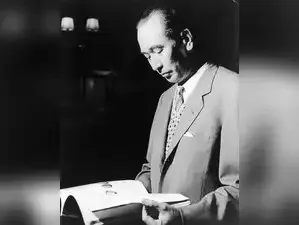
Japanese film director Akira Kurosawa at the National Film Theatre in London, to attend the showing of his film 'The Throne of Blood.' (Photo by Keystone/Getty Images)
Understanding the Core Message of the Quote
At first glance, Kurosawa’s quote may sound heavy or even pessimistic. But when you look closer, it carries a powerful sense of unity. The quote suggests that suffering is the one experience that erases boundaries. Wealth, status, nationality, and culture all fade when faced with loss, fear, or inner struggle. Rather than isolating us, suffering places us on common ground. Everyone experiences disappointment, grief, confusion, or emotional pain at some point in life. The quote gently pushes back against the idea that we are alone in our struggles. It reminds us that pain is not unique to one person; it is universal. This perspective can change how we treat others. When we recognise that everyone carries invisible burdens, empathy becomes easier. Patience grows. Judgment softens. Kurosawa’s words encourage us to look at people not as competitors or strangers, but as fellow travellers moving through similar emotional landscapes.What Does This Quote Suggest About Human Life?
The quote suggests that suffering is not an exception; it is a fundamental part of being human. Life is not designed to be pain-free, and expecting constant happiness often leads to frustration. Kurosawa’s insight invites acceptance rather than resistance. Suffering also gives depth to human experience. Without it, emotions like compassion, love, resilience, and humility would lose their meaning. Pain shapes character. It forces reflection, growth, and sometimes transformation. While no one seeks suffering, it often becomes the space where people discover the strength they didn’t know they had. In a modern world obsessed with success and positivity, this quote feels grounding. It reminds us that hardship does not mean something has gone wrong; it means life is happening. And because suffering is shared, it opens the door to understanding, connection, and even healing.About Akira Kurosawa
Akira Kurosawa (1910–1998) was a legendary Japanese filmmaker whose work deeply explored human emotion, morality, and conflict. He is widely regarded as one of the most influential directors in cinema history, inspiring filmmakers worldwide. Kurosawa’s films often centred on flawed characters facing ethical dilemmas, inner turmoil, and social injustice. Movies like Seven Samurai, Rashomon, and Ikiru reflect his belief that human beings are complex, vulnerable, and shaped by suffering. His storytelling never avoided pain; instead, it examined it honestly.Having lived through war, loss, and personal hardship, Kurosawa understood suffering not as an abstract idea but as a lived reality. This background gives weight to his words. The quote feels less like a philosophical statement and more like a quiet observation from someone who truly understood human nature.