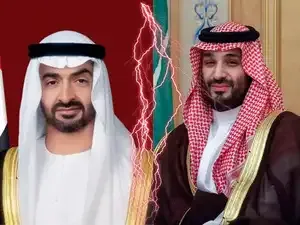
A sharp Saudi media campaign against the United Arab Emirates has widened the Gulf’s worst political row in years, raising fears of fallout in the Middle East’s main financial hub. The escalation follows a brief conflict in Yemen, where Saudi air strikes stopped an advance by UAE-backed separatists. Since then, state-run outlets and social media in Saudi Arabia have carried fierce accusations, exposing tensions that were earlier kept behind closed doors.
Saudi Arabia’s Al-Ekhbariya TV accused the UAE this week of fuelling instability across the region. The channel said the UAE is "investing in chaos and supporting secessionists" from Libya to Yemen and the Horn of Africa. Such direct attacks are unusual in the Gulf, where monarchies typically project unity and calm.
The last time relations turned this sour was during the 2017 blockade of Qatar led by Saudi Arabia and the UAE. Observers say the current dispute looks different because the criticism is now public and persistent.
Saudi commentators accuse the UAE of overstepping, backing rival forces in Yemen and Sudan and building ties with Israel. "There is a deep Saudi feeling that the UAE has betrayed the strategic partnership with Saudi Arabia and is now stirring up crises within the Saudi strategic sphere of influence," Saudi political analyst Soliman Al-Okaily told AFP.
On Al-Ekhbariya, writer Muneef Amash Al-Harbi described the UAE’s actions as "an Israeli project wearing a kandura". The remark points to the UAE’s 2020 decision to establish ties with Israel.
Despite the accusations, Abu Dhabi has mostly stayed silent. Abdulla said the UAE sees itself as a rising power but wants to avoid escalation. "We have become, by our own success, a role model... a regional power. Is this our fault?" he said, adding, "We do not want to provoke Saudi Arabia."
‘Painful’ economic measures hinted
The war of words has kept relations on edge. An Al-Ekhbariya bulletin warned, "With Abu Dhabi inciting against Saudi Arabia, the kingdom will not hesitate to take the necessary steps and measures against it."
Al-Okaily said a full break is unlikely but cautioned that "Riyadh could take painful economic measures". Such steps could hurt both sides given their economic links.
In Sudan, another flashpoint, Saudi Arabia and the United States submitted a new ceasefire plan to the army, excluding the UAE from the initiative. Abu Dhabi has long denied claims that it supports the paramilitary force fighting Sudan’s army.
Somalia has also entered the picture. This month, it cancelled all agreements with the UAE, which backs the breakaway region of Somaliland. Saudi Arabia is reported to be strengthening ties with Somalia, while also building closer relations with Qatar, including plans for a high-speed rail link.
(Inputs from AFP)
Saudi Arabia’s Al-Ekhbariya TV accused the UAE this week of fuelling instability across the region. The channel said the UAE is "investing in chaos and supporting secessionists" from Libya to Yemen and the Horn of Africa. Such direct attacks are unusual in the Gulf, where monarchies typically project unity and calm.
The last time relations turned this sour was during the 2017 blockade of Qatar led by Saudi Arabia and the UAE. Observers say the current dispute looks different because the criticism is now public and persistent.
Longstanding tensions spill into the open
Saudi Arabia and the UAE have been close allies with tightly linked economies. UAE President Sheikh Mohamed bin Zayed Al Nahyan was once seen as a mentor to Saudi Crown Prince Mohammed bin Salman. That relationship now appears strained.Saudi commentators accuse the UAE of overstepping, backing rival forces in Yemen and Sudan and building ties with Israel. "There is a deep Saudi feeling that the UAE has betrayed the strategic partnership with Saudi Arabia and is now stirring up crises within the Saudi strategic sphere of influence," Saudi political analyst Soliman Al-Okaily told AFP.
On Al-Ekhbariya, writer Muneef Amash Al-Harbi described the UAE’s actions as "an Israeli project wearing a kandura". The remark points to the UAE’s 2020 decision to establish ties with Israel.
Yemen claims add fuel to the fire
This week, Saudi-backed Yemeni officials showed international media what they described as "secret prisons" run by defeated UAE-backed separatists. The UAE rejected the allegation, saying the sites were military facilities.Despite the accusations, Abu Dhabi has mostly stayed silent. Abdulla said the UAE sees itself as a rising power but wants to avoid escalation. "We have become, by our own success, a role model... a regional power. Is this our fault?" he said, adding, "We do not want to provoke Saudi Arabia."
‘Painful’ economic measures hinted
The war of words has kept relations on edge. An Al-Ekhbariya bulletin warned, "With Abu Dhabi inciting against Saudi Arabia, the kingdom will not hesitate to take the necessary steps and measures against it."Al-Okaily said a full break is unlikely but cautioned that "Riyadh could take painful economic measures". Such steps could hurt both sides given their economic links.
Diplomacy shifts across the region
As tensions simmer, both countries are making new strategic moves. This week, the UAE president met Indian Prime Minister Narendra Modi in New Delhi and agreed to work towards a strategic defence partnership. Earlier, Saudi Arabia signed a defence deal with Pakistan.In Sudan, another flashpoint, Saudi Arabia and the United States submitted a new ceasefire plan to the army, excluding the UAE from the initiative. Abu Dhabi has long denied claims that it supports the paramilitary force fighting Sudan’s army.
Somalia has also entered the picture. This month, it cancelled all agreements with the UAE, which backs the breakaway region of Somaliland. Saudi Arabia is reported to be strengthening ties with Somalia, while also building closer relations with Qatar, including plans for a high-speed rail link.
(Inputs from AFP)