- What care should be taken to prevent Cervical Cancer?
- What is HPV vaccination?
- Can cervical cancer really be prevented?
Cervical cancer Of course, cervical cancer is a major challenge for women’s health globally. But in fact, this disease is completely preventable. It is the most common cancer among women in low- and middle-income countries, and the fourth most common cancer worldwide.
Despite preventive measures, the disease is claiming many lives due to lack of timely diagnosis and preventive treatment. Although the prevalence of this disease is slowly increasing, there are many opportunities to prevent it through vaccination and timely screening. Dr. Vaishali Joshi, Consultant, Obstetrician and Gynaecologist, Kokilaben Dhirubhai Ambani Hospital Mumbai has given more information about this.
What is HPV vaccination?
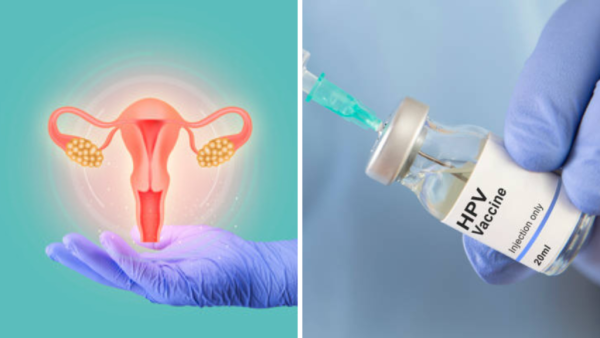
Chronic infection with human papillomavirus (HPV) is responsible for more than 95 percent of cervical cancer cases. HPV is a common sexually transmitted infection that usually has no symptoms. In most individuals, the body’s immune system clears the infection naturally. However, when high-risk HPV infection persists for a long period of time, it causes gradual changes in the cells of the cervix. If left untreated, these cells can turn cancerous within 9 to 10 years.
Why is the rate of cervical cancer increasing in women? ‘These’ wrong habits cause cervical cancer
How is the screening?
This long period between infection and cancer presents a great opportunity to prevent cervical cancer. Precancerous changes can be detected at an early stage through screening tests such as Pap smears. Now the ‘HPV test’ has emerged as a more accurate method, which can detect chronic infection even before visible changes in the cells. This advanced technology allows early detection of who is at risk, allowing simple treatment to prevent further exposure.
What happens is the result
Systematic screening programs have shown positive results in Europe and the United States. Over the past three decades, routine screening for cervical cancer has significantly reduced the mortality rate. According to the available evidence, women who undergo regular screening can reduce the number of deaths from this cancer by more than 80 percent. It is because of these successful results that the mechanisms at the global level are actively striving to completely eliminate cervical cancer from a global public health problem.
Detect cancer early
Cervical cancer The goal of screening is to detect precancerous symptoms in asymptomatic women, so that cancer can be treated before it develops. An effective screening test should be capable enough to accurately detect even minute traces of disease or defect in the body and its results should be reliable.
According to these criteria, HPV testing is superior to cytology alone, as it more accurately detects precancerous changes in each screening cycle. Combining a ‘Pap smear’ and an ‘HPV test’ slightly increases the chance of diagnosis, but it can also increase the rate of false-positive results and unnecessary invasive treatment.
What are the benefits of HPV testing?
In the health programs implemented keeping the entire society and the country in mind, ‘HPV testing’ gets more benefits. This test can be self-collected or done by healthcare providers, making it more convenient. If the HPV test is negative, there is no need for another test for the next five years; On the other hand, a ‘Pap smear’ test has to be done every three years. As recommended by the World Health Organization, every woman should undergo a high-intensity ‘HPV test’ at least twice in her lifetime, first at age 35 and again at age 45.
Special report on Cervical Cancer and road safety to tackle challenges in adolescent health, a major step by UNICEF
What is colposcopy?
When the results of the screening test show something different from a healthy condition, women are advised to undergo a colposcopy for a detailed examination of the cervix. If precancerous changes are detected on examination, prompt treatment can prevent their transformation into cancer. These treatments are usually quick and safe and have a very low complication rate. However, if left untreated, about 30 percent of high-risk precancerous changes can later develop into serious cancer.
Need protection
Screening enables early diagnosis of the disease, while ‘HPV vaccination’ provides primary preventive protection by preventing infection before it occurs. Vaccination before exposure to HPV significantly reduces the risk of future cancers. In short, both ‘screening’ and ‘vaccination’ are the mainstays of cervical cancer prevention. Both of these measures are essential to reduce the burden of the disease globally and achieve the goal of cancer eradication.
-
Punjab farmers roll out tractor marches against new power Bill

-
KIWG 2026: Army retain ice-hockey gold, Chandigarh win hearts; Haryana emerge overall champions

-
Nationwide fraud update after customer concerns over account payments

-
Chelsea leave player in tears as Liam Rosenior takes 'unusual' transfer decision

-
Patrick Dorgu shows true colours after Ruben Amorim's 11-word remark at Man Utd