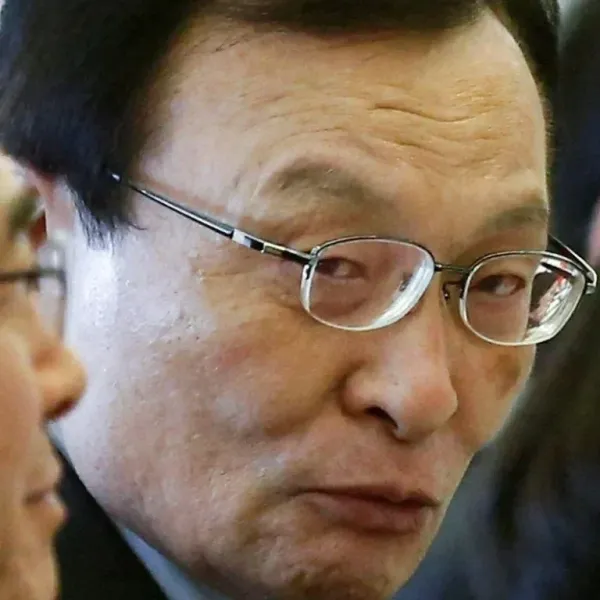
South Korean : political leaders and public officials gathered in Seoul on Tuesday to honor former Prime Minister Lee Hae-chan, following the return of his remains from Vietnam, where he passed away earlier this week. His death has prompted tributes across the political spectrum, reflecting his long and influential career in public service.
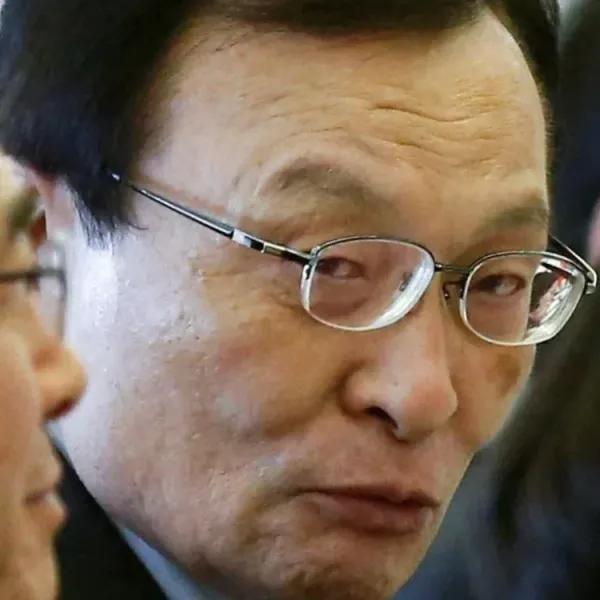
The casket carrying Lee’s body arrived at a funeral home at Seoul National University Hospital in central Seoul several hours after being flown back to the country. The repatriation was completed via a Korean Air flight that landed at Incheon International Airport earlier in the day.
Repatriation from Vietnam
Lee died on Sunday at a hospital in Ho Chi Minh City after suffering cardiac arrest. He had been in Vietnam on official duties related to his role as executive vice chairperson of the Peaceful Unification Advisory Council when his health suddenly deteriorated. Following his death, arrangements were made to return his body to South Korea in coordination with government authorities and his family.
The Korean Air flight transporting the casket also carried Lee’s immediate family members and several lawmakers from the ruling Democratic Party. These legislators had traveled to Vietnam after learning of his illness and accompanied the family back to Seoul as a mark of respect.
Arrival and Funeral Preparations
Upon arrival at Incheon International Airport, a brief memorial ceremony was held to honor Lee’s passing. Honor guards escorted the casket from the aircraft to a waiting hearse, marking the start of official mourning rites. From there, the procession moved to Seoul National University Hospital, where mourners began to gather.
Senior government officials and political figures were present at the funeral home to receive the casket. Among them were Prime Minister Kim Min-seok, who is serving as head of the funeral committee, National Assembly Speaker Woo Won-shik, and several politicians who had worked closely with Lee throughout his career.
Funeral Arrangements and Honors
The funeral service will be held over five days, concluding on Saturday. While the ceremonies will include government honors, they will not be designated as a state funeral. This decision reflects both the wishes of Lee’s family and a consensus on how best to recognize his public contributions without elevating the proceedings to a full state-level event.
Officials stated that the arrangements aim to balance formal recognition with a respectful, measured tone appropriate to Lee’s legacy and personal preferences.
A Long Career in Public Service
Lee Hae-chan was a central figure in South Korean politics for decades. A seven-term member of the National Assembly, he served as prime minister from 2004 to 2006 under the administration of President Roh Moo-hyun. His tenure as prime minister was marked by efforts to advance administrative reform and social policy during a period of political change.
In October last year, Lee was appointed executive vice chairperson of the Peaceful Unification Advisory Council, an advisory body tasked with providing policy recommendations on inter-Korean relations and unification strategies.
Roots in the Democracy Movement
Lee’s political journey began during South Korea’s years under military rule. As a young activist, he took part in the pro-democracy movement, engaging in student-led protests and opposition activities that challenged authoritarian governance. These experiences shaped his political outlook and established his reputation as a committed advocate for democratic values.
Over time, his activism evolved into a formal political career, but his early involvement in the democracy movement remained a defining part of his public identity.
Influence and Political Relationships
Known for his close relationships with several liberal leaders, Lee maintained strong ties with former presidents Kim Dae-jung, Roh Moo-hyun, and Moon Jae-in, as well as current President Lee Jae Myung. His behind-the-scenes role as a strategist and adviser earned him the informal reputation of a political “kingmaker,” a reflection of his influence within progressive circles.
As condolences continue to arrive, Lee is being remembered as a seasoned politician whose career spanned pivotal moments in South Korea’s modern political history.
-
Pankaj Tripathi Calls Theatre Festival Selection a Defining Moment in His Career
-
Ranveer Singh: Police Register Case Against Actor Over Alleged IFFI Performance Remarks

-
Kohrra Season 2 Trailer Signals Darker Case, New Partnerships

-
Punjab Secretariat: Bomb Threat Email Prompts Security Lockdown at Punjab Secretariat in Chandigarh
-
Kashmir weather: Freezing Nights as Avalanche Alerts Issued in Higher Regions