Highlights
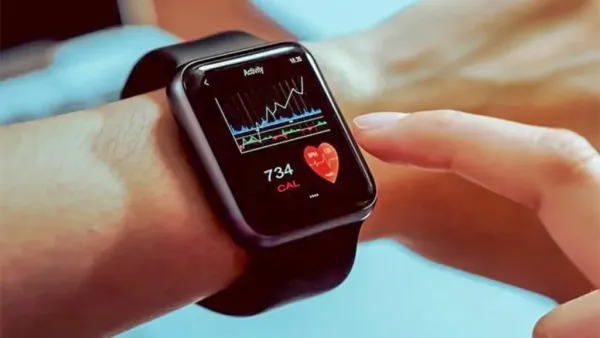
- Biometric wearables continuously track heart rate, glucose, oxygen, sleep, stress, and temperature data.
- Devices help users spot health patterns but do not replace doctors or medical tests.
- Accuracy varies, making long-term trends more valuable than single readings.
- Wearables are most useful when users understand and act responsibly on the data.
A few years ago, biometric health wearables were primarily focused on counting steps. People checked them for fun, not for health reasons.
Now things have changed. Today, many wearable devices promise to track glucose levels, heart rate, blood oxygen levels, stress, and even early signs of illness. Some brands also claim their data is sufficient for medical use.
But when you remove all the marketing lines, a straightforward question remains. Do these devices actually help normal people, or are they just showing too much data that most users don’t really understand?
What Biometric Health Wearables Actually Track
Biometric wearables are devices that record signals emitted from an individual’s physical body. Biometric wearables include heart rate, ECG readings, blood oxygen levels, sleep patterns, body temperature changes, and glucose levels over time.
Basic fitness bands only track your activity (exercise), while these devices are intended to continuously monitor your overall health, 24 hours a day, rather than only when you exercise. You can wear the device on either your wrist or your finger, and it lets you collect biometric data without interrupting your everyday activities.
Therefore, for many users, the availability of biometric measurements is useful. However, for some, this functionality can create confusion or anxiety.
Why These Health Wearables Are Everywhere Now
One reason is fear. People want early warnings before something serious happens. Another reason is better technology. Sensors have improved, batteries last longer, and apps look cleaner.
Big companies like Apple, Samsung, Fitbit, and Garmin are pushing health features hard. Some devices are tested in labs and approved for limited medical use. That does not mean they replace doctors. It just means they are better than before.

Glucose Monitoring Wearables
How Glucose Wearables Work in Real Life
A small sensor is placed underneath the skin and monitors the patient’s glucose level at intervals of a couple of minutes and sends this data to a smartphone. You will be able to see your glucose level depending on what you have done, such as eating something, walking, or sleeping. This type of monitoring has become very important to people who suffer from diabetes.
Are Glucose Wearables Only for Diabetics?
Mostly yes, but not anymore. Many non-diabetic users are now trying glucose tracking to understand their food habits. Some notice sugar spikes after certain foods. Others see drops that explain tiredness. But without medical advice, glucose data can be misunderstood very easily.
How Accurate Are These Devices?
Modern glucose monitors are fairly accurate when looking at trends. They may not match finger tests exactly every time. Doctors trust them for daily tracking, not for one-time decisions. For normal users, the biggest value is learning patterns, not chasing exact numbers.

ECG Tracking in Smartwatches
What ECG on a Watch Really Means
ECG tracking monitors your heart rate. It can spot irregular rhythms like uneven or fast heartbeats. Wearable ECG is basic compared to hospital machines, but it still catches warning signs.
Popular Smartwatches with ECG
Many smartwatches now offer ECG, including the Apple Watch and the Samsung Galaxy Watch. You just touch the watch sensor and wait for a few seconds. The reading shows up on the screen and can be shared with a doctor.
Can You Trust Watch ECG Data?
These watches are not doctors. But they are good at catching something unusual. Many users only visited a doctor because their watch showed repeated strange readings. That early alert is where these devices actually help.
Blood Oxygen Tracking
Why Oxygen Levels Matter
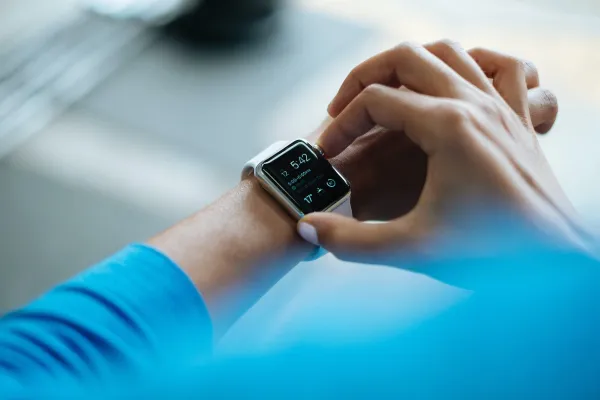
Blood oxygen shows how well your body is getting oxygen. Low levels can be linked to breathing issues or sleep problems. Wearables measure this using light sensors on the skin.
How Reliable Is SpO₂ Data?
SpO₂ tracking works best when you are still, like during sleep. During movement, readings can jump around. For general health tracking, it is useful. For serious health decisions, medical tools remain necessary.
Temperature and Stress Tracking
What Skin Temperature Tells You
Wearables track small changes in skin temperature. They do not show fever directly. But a rise over several days can point to illness or recovery changes. Some people also use this data for cycle tracking.
Stress Data and Heart Rate Changes
Stress tracking uses heart rate patterns. Low variation often means the body is under pressure. This data helps users see when they need rest, not push harder. It is not perfect, but it gives useful signals.
Smart Rings and Smaller Devices
Why Some People Prefer Smart Rings
Smart rings are small and easy to wear. They track sleep, heart rate, and temperature without a screen. Many people forget they are even wearing them.
Limits of Ring-Based Wearables
Smart rings do not offer ECG or detailed fitness tracking. They are better for sleep and recovery than workouts. For users who hate bulky watches, rings make sense.
The Accuracy Problem Users Should Understand
No Wearable Is Perfect
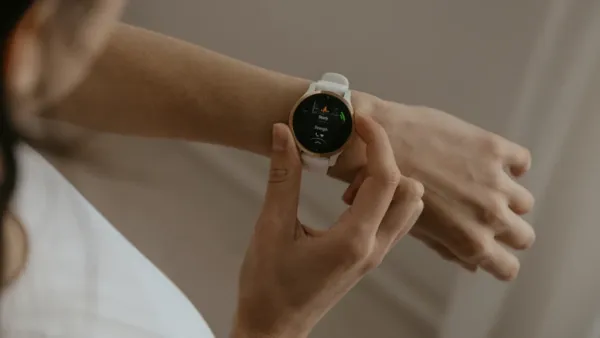
Most health wearables are still consumer devices. Movement, sweat, skin type, and fit can affect readings. Even the best devices can show wrong data sometimes.
Why Patterns Matter More Than Single Readings
One bad reading does not mean something is wrong. What matters is repeated change over time. Wearables are good at showing patterns, not making diagnoses. Users who understand this get real value from these devices.
Health Data and Privacy Concerns
These devices collect personal health data continuously. Most brands protect this data with security tools. But users should still check app settings and sharing options. Health data should never be shared carelessly.
Are These Wearables Worth Using Daily?
For people with health issues, the answer is yes. For normal users, it depends on how seriously they use the data. If you check the app once and forget, the device is useless. If you learn from the data and adjust habits, it can help.
Who Should Buy Health Wearables?
They make sense for: People with diabetes or heart concerns, Users focused on early health signs, People serious about sleep and recovery. For others, simple fitness trackers may be enough.
Final Take
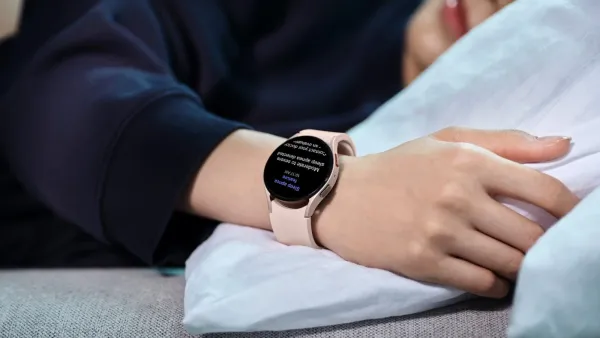
Biometric health wearables are not magic devices. They do not replace doctors or medical tests. But they are no longer toys either. When used with care and common sense, they help people understand their bodies better and catch issues early. That is where their real value lies.
-
F1 Legend Michael Schumacher Shows Significant Recovery, No Longer Confined To Bed 12 Years After Skiing Accident: Reports

-
Apple Launches New AirTags In India With Better Findability, Louder Chime: Price, Specifications
-
Meta May Be Reading Your WhatsApp Chats: New Lawsuit Accuses Meta Of Accessing Chats Despite Encryption Claims
-
PSSSB Clerk Recruitment 2026: Registration Process For 98 Vacancies Ends Tomorrow; Here's How To Apply

-
Pariksha Pe Charcha 2026 Goes Pan-India, PM Modi Interacts With Over 6.7 Crore Students And Parents