India-EU trade deal will become effective after these steps
27 Jan 2026
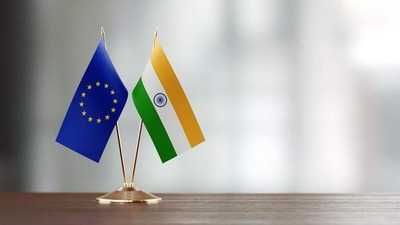
India and the European Union (EU) have concluded negotiations on a historic trade agreement after nearly two decades of discussions.
Prime Minister Narendra Modi announced the deal today, saying it would open India's vast and heavily protected market to free trade with the 27-member EU.
The pact is a strategic move for both sides as they seek to strengthen their economic ties amid uncertain relations with the United States.
So, what's next for the deal? Let's find out.
Steps for the deal's implementation
Implementation process
The official release from the European Commission outlines a series of steps that need to be completed before the deal can come into effect.
These include publishing negotiated draft texts, legal revision and translation into all official EU languages, and proposing the agreement to the Council for signature and conclusion.
Adoption by the Council, signing of the agreement between EU and India, European Parliament's agreement to it, and finally a decision on concluding it are also included.
Safeguards against non-Indian origin products
Trade protection
To prevent non-Indian origin products from being imported into the EU via India to take advantage of tariffs, both sides have agreed on rules of origin.
These rules ensure that only products significantly processed in one of the parties can benefit from tariff preferences under this agreement.
This is a major step toward preventing misuse by other countries looking to export their goods through India and re-export them to the EU.
Trade concessions and tariff cuts
Economic impact
The EU will give duty-free access to 90% of Indian goods on day one of the free trade agreement (FTA), which is expected to come into force early next year.
For another 3%, levies will be eliminated over seven years. This means concessions are being given by the EU to India on 99.5% of trade value.
India will give duty-free access for 93% of European goods over a decade and remove duties on only 30% on day one of implementation.
Duty concessions and quota-based reductions
Trade benefits
India is also giving duty concessions and quota-based reductions on 3.7% of trade value for the EU.
In total, India is giving duty concessions on 97.5% of the trade value for the EU.
Major Indian sectors that will get duty-free access include textiles, apparel, clothing, marine products, chemicals, plastics, rubber, leather, footwear, base metals, gems and jewelry, furniture, toys, and sports goods among others.
-
UK's Keir Starmer visits China as Beijing courts US allies
-
Rajasthan govt to develop state as aerospace & defence manufacturing hub
-
Meghan Markle promises fans 'something new' as she makes major announcement

-
22 Kids and Counting star Noel Radford 'really not well' as health worries mount

-
'That's b******s!' Liz Truss loses it after TV star asks 'why didn't you speak up?'