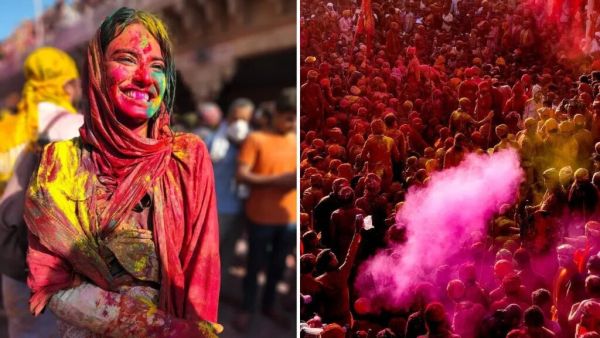
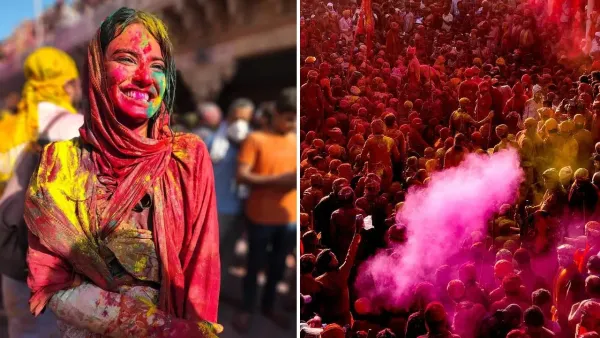
New Delhi: Braj Holi 2026 returns as India’s longest Holi celebration, across Vrindavan, Barsana, Mathura, Nandgaon and Gokul. Instead of ending in days, this festival stretches across 40 ritual-filled days rooted in Krishna lore. Temple courtyards, narrow lanes and sacred ghats turn into spaces of colour, music and devotion. Every celebration follows a spiritual calendar, making Braj Holi a lived tradition rather than a one-day cultural spectacle that binds communities through memory faith storytelling and seasonal rhythms year after year together.
Beginning with Rangotsav on Basant Panchami, Braj Holi moves through Lathmar Holi, Ladoo Maar Holi, Phoolon Wali Holi and Dauji Ka Huranga. Each date carries mythological meaning tied to Radha and Krishna. For devotees, this 40-day journey offers immersion, discipline and devotion, far beyond colour play or festive spectacle rooted in living tradition sacred geography community participation and ritual continuity.
Braj Holi 2026 key dates and celebrations
Basant Panchami Rangotsav
January 23 marks the ceremonial opening of Braj Holi at Banke Bihari Temple and other major shrines across the Braj region. Gulal offerings, devotional singing and temple rituals set the spiritual tone for the weeks ahead.
Ladoo Maar Holi at Barsana
February 24 sees Phag Nimantran at Shri Ji Temple. Devotees participate in the joyful throwing of laddoos, symbolising divine invitation and celebration.
Lathmar Holi traditions
February 25 hosts Lathmar Holi at Rangili Gali, Barsana.
February 26 continues the tradition at Nand Bhawan, Nandgaon.
These events recreate the playful legends of Radha and the Gopis teasing Krishna and his companions.
Phoolon Wali Holi and Rangbharni Ekadashi
February 27 brings flower-based Holi at Banke Bihari Temple, Vrindavan, where petals replace colours in a devotional setting.
Gokul celebrations
March 1 observes Chhadimar Holi.
March 2 marks Raman Reti Holi and Widow Holi at Vrindavan and Gokul, known for inclusive participation and spiritual healing.
Holika Dahan and Dhulendi
March 3 features Holika Dahan at Dwarkadhish Temple, Mathura and surrounding temples.
March 4 celebrates Dhulendi across Mathura, Vrindavan, Barsana, Nandgaon and Gokul.
Dauji Shall Fall
March 5 concludes major festivities at Dau Ji Temple, Mathura, known for its intense, symbolic and community-led rituals.
Cultural roots and historical legacy
Krishna-Radha legends
The traditions trace back to Krishna visiting Barsana and engaging in playful colour rituals that later shaped Lathmar Holi.
Ritual documentation
Saint Narayan Bhatt formalized Barsana’s stick-based Holi practices in 1569, preserving them in Braj Utsav Chandrika.
Temple revival era
Temple rebuilding during Akbar’s reign in the late 16th century strengthened Braj’s identity as a Vaishnav spiritual centre.
Why Braj Holi stands apart
Braj Holi blends devotion, folklore and lived tradition across 40 uninterrupted days. Each ritual carries symbolic meaning rather than spectacle value. Temples, streets and households participate equally, creating an immersive spiritual environment rarely seen elsewhere.
Braj Holi is not about only colour play. It presents a slow celebration that displays faith, memory and living tradition. For devotees and cultural travellers alike, this Rangotsav remains an unmatched expression of Holi in its most authentic form.