The Budget Session of Parliament begins today, setting the stage for one of the most closely watched periods in India’s economic and legislative calendar. President Droupadi Murmu will address a joint sitting of the Lok Sabha and the Rajya Sabha this morning, formally marking the start of the session.
While the President’s address traditionally outlines the government’s broad policy priorities, market participants, economists and policymakers are already looking ahead to a key milestone tomorrow: the presentation of the Economic Survey of India on January 29.
Why the Economic Survey Matters More Than Ever
The Economic Survey, prepared by the Economic Division of the Department of Economic Affairs under the supervision of the Chief Economic Adviser, serves as the government’s most comprehensive annual assessment of the economy. It reviews economic performance during 2025-26 (April-March) and offers an outlook for the coming fiscal year.
Unlike the Union Budget, which focuses on taxation and expenditure proposals, the Survey provides the analytical framework that underpins fiscal decision-making. It evaluates growth trends, inflation, employment, public finances, external trade and sectoral performance, often shaping expectations ahead of the Budget presentation.
With global growth uneven and domestic demand facing both opportunities and risks, this year’s Survey is expected to be closely scrutinised for signals on how policymakers assess India’s economic resilience and medium-term prospects.
Key Dates to Watch This Week
The parliamentary calendar for the coming days is clearly defined:
January 29: Presentation of the Economic Survey in Parliament
February 1: Presentation of the Union Budget for 2026–27
The sequencing is deliberate. The Survey sets the narrative, while the Budget translates that narrative into policy action.
How Long Will the Budget Session Run?
The Budget Session will span 30 sittings over 65 days, concluding on April 2. After the first phase, both Houses will adjourn for a recess on February 13 and reconvene on March 9. This break allows Parliamentary Standing Committees to examine the Demands for Grants of various ministries and departments in detail.
The first part of the session will largely focus on financial business, including the Union Budget for 2026-27 and the discussion on the Motion of Thanks on the President’s Address. The second part is expected to take up essential legislative and other pending business.
Pending Bills and Political Churn
According to the Lok Sabha Secretariat, nine pending Bills are currently listed for consideration. These include key proposals such as the Insolvency and Bankruptcy Code (Amendment) Bill and the Securities Markets Code, both of which are under review by the parliamentary finance panel.
Ahead of the session, an all-party meeting chaired by Defence Minister Rajnath Singh brought together leaders across the political spectrum. Parties outlined the issues they intend to raise during the session while assuring the government of cooperation to ensure the smooth conduct of proceedings.
For investors and economists, tomorrow’s Economic Survey is likely to be the first major data-driven signal of the government’s reading of the economy ahead of the Budget. Clues on growth momentum, fiscal consolidation, inflation trends and reform priorities will be keenly analysed.
-
Effect of planets on zodiac signs before Phalgun, what will change? read horoscope

-
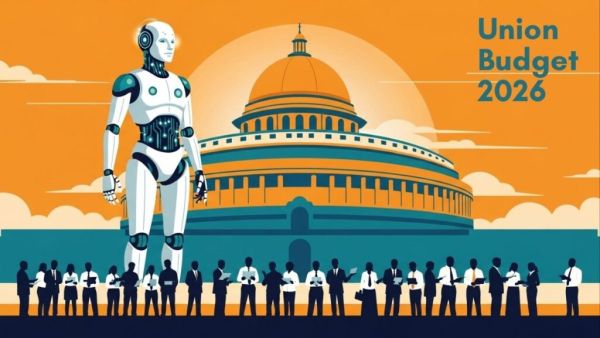
AI may just get its place under the sun in the Union Budget 2026- The Week
-
There are 300,000 pictures of Parihita in a bikini on the net, women don’t know!

-
BSNL’s new plan for a year for Rs 2626: including 2.6GB daily data.

-
Rajasthan government will move forward with the resolve of ‘Sabka Saath, Sabka Vikas’