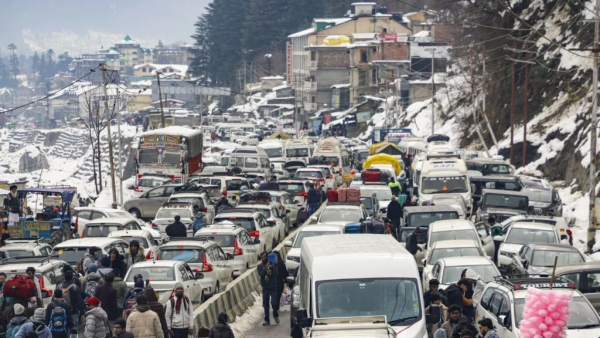
New Delhi: Snow-clad hill stations in India, from Shimla to Manali, attract thousands seeking winter’s serene beauty each year. However, sudden heavy snowfall can transform these picturesque destinations into perilous traps, stranding travellers without warning. Recent years have seen a sharp rise in snow- incidents, with blocked roads, plummeting temperatures, and avalanches claiming lives due to inadequate preparation. Being stranded in snow demands immediate, informed action to mitigate risks of hypothermia, isolation, and rescue delays. Read to learn about safety protocols to equip you with essential precautions for such emergencies.
Understanding the gravity of these situations is crucial before venturing into high-altitude areas during peak snow season. Hill stations like Auli and Gulmarg, while breathtaking, pose amplified dangers when the weather turns hostile, often leaving visitors cut off from aid. The following sections detail recent accidents and precise indoor survival steps to prioritise your safety.
What to do if you get stranded in the snow
When heavy snow traps you inside a hotel, homestay or car, focus on staying warm and safe. These simple steps help you survive until rescue arrives. Follow them one by one.
-
Stay put and save energy. Do not go outside unless you must. It is easy to get tired fast in cold air. Pick the warmest room. Use blankets to cover up. Move less to keep your body heat inside. This works best in places like Manali.
-
Wear layers of dry clothes. Take off wet items right away. Put on dry thermals first. Add wool sweaters and jackets next. This traps warm air close to your skin. Wet clothes make you colder quickly.
-
Drink warm fluids often. Melt snow on a stove or candle. Make hot tea or soup. Cold tricks your body into feeling thirstier less. Warm drinks keep your body temperature steady. Sip every hour.
-
Block the cold from the floor. Put mats, bags or cushions under you. Floors in hills suck heat from your body. This lift keeps you warmer by 20 per cent or more. Lie down smart.
-
Make safe heat with candles. Place one candle in a tin with sand around it. Keep it away from cloth or paper. This gives steady warmth all night. Never leave it alone.
-
Signal help with the lights. Use your phone torch at night. Flash three short, three long, three short for SOS. Keep your battery full with a car charger. Rescuers spot this far away.
-
Eat small energy foods. Check what you have, like nuts or bars. Eat a bit every few hours. This keeps your sugar up without full stomach strain. Skip big meals.
-
Listen to the weather news. Use radio or phone apps from IMD. Learn when the snow stops or when the roads clear. This tells you when to wait more. Check often.
-
Watch friends and family. Look for shakes or confusion signs. Huddle close to share heat. Kids and pets need extra checks. Wake each other hourly.
-
Use or make an emergency kit. Gather gloves, torch, whistle and pills. If none, use car parts for warmth. Plan this before trips to hill stations.
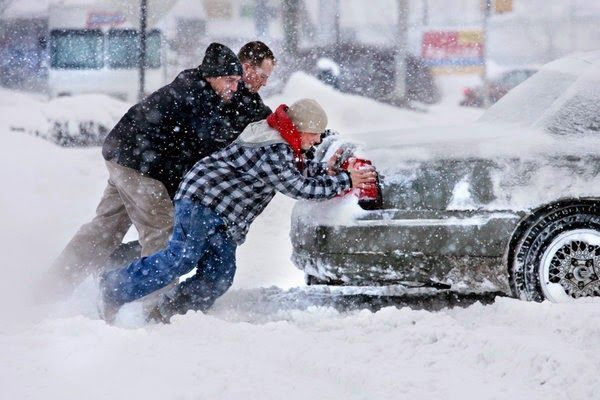
What not to do if you get stranded in the snow
Snow can trap you for hours or days. Avoid these common mistakes to stay safe. They come from real cases in hill stations.
-
Never leave your shelter too soon. Rushing out in the snow leads to getting lost fast. Many people die just steps from safety. Wait for help or clear weather signs.
-
Avoid drinking alcohol. It makes you feel warm but speeds up heat loss. Blood vessels open too much in the cold. Pick hot water or tea instead.
-
Do not sweat or work too hard. Chopping or moving a lot dries your clothes. Wet turns warm layers cold fast. Stay calm and still.
-
Never block car exhaust pipes. Snow covers them and traps bad gas inside. Check pipes stay open. This kills quietly without warning.
What to do if you are stuck in a car in the snow
Snow can trap your car on hill station roads like the Shimla-Manali highway. Stay inside for safety. These simple steps keep you alive until help comes.
-
Stay calm and do not leave the car. Your vehicle shields you from wind and cold. Walking in the snow leads to getting lost fast. Tie the bright cloth to the antenna for spotters.
-
Clear snow around tyres first. Use a shovel or tool to dig out the drive wheels. Make space in front and back. This gives room to rock free without digging deeper.
-
Check that the exhaust pipe is open. Brush snow from the tailpipe. Blocked pipes fill a car with deadly gas. Crack a window for fresh air always.
-
Run the engine in short bursts. Start every hour for 10 minutes. This gives heat but saves fuel. Turn off if snow covers the car fully.
-
Use mats or grit for grip. Place floor mats or kitty litter under tyres. Branches work too. Straighten wheels, then rock forward and back gently.
-
Layer up with all your clothes. Remove wet items. Wrap in blankets or coats. Cover the head and neck. Huddle with others to share warmth.
-
Sip melted snow for water. Do not eat it cold. Use car vents or body heat to melt. Stay hydrated to fight off confusion.
-
Signal with lights and horn. Flash hazards or SOS with a torch at night. Honk three short, three long, three short. Raise the hood after the snow stops.
-
Eat small snacks if you have. Nuts or bars keep energy up. Ration them over days. Avoid big meals in the cold.
-
Take turns staying awake. Watch for rescue planes or ploughs. Check on kids or elders often. Attach the phone to a crank charger if the battery dies.
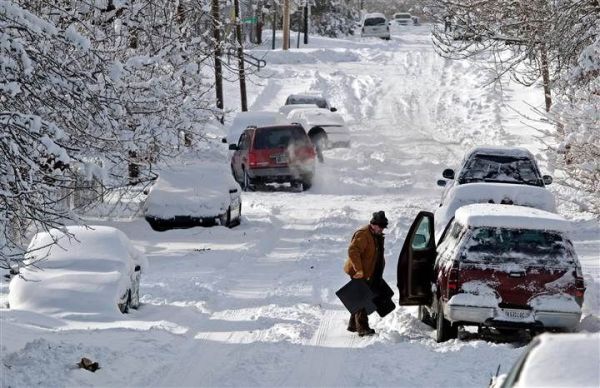
What not to do if you are struck by a car in the snow
-
Never walk away from your car. Snow hides paths and drops the temperature quickly. Rescuers find cars easily with bright flags. Most deaths happen outside vehicles.
-
Do not run the engine non-stop. Fuel runs out, and snow clogs the intake. Carbon monoxide builds up, too. Use short bursts only for heat.
-
Avoid eating snow without melting it. It drops your body heat by 1 degree per handful. Melt it first with vents or hands. Thirst hits hard in the cold.
-
Do not drink alcohol to warm up. It fools you into more cold loss. Blood rushes to the skin fast. Stick to water or hot drinks.
-
Never sleep without checks. Hypothermia sneaks in as drowsiness. Take turns awake to watch for help. Shake off numb feelings quickly.
Preventive measures before and during the trip
-
Check weather forecasts daily. Use IMD apps before leaving and each morning. Avoid trips during red alerts for snow or blizzards. This keeps you off blocked roads.
-
Pack warm layers and essentials. Take thermals, jackets, gloves, socks, torch, snacks, water bottle and first aid kit. Woollens beat cold nights. Carry cash too, as cards fail in the hills.
-
Equip the car with winter gear. Fit snow chains on tyres. Keep shovel, sand, blankets, jumper cables and a full fuel tank. Test wipers and heater work fine.
-
Share your itinerary widely. Tell family your route, hotel and return time. Check in hourly by phone. Enable location sharing for quick rescue if stuck.
-
Drive slowly and stop early. Stick to main roads. Turn back at the first snow sign. Rest in safe spots before dark. No night drives in bad weather.
Key safety precautions and actions after a winter storm
-
Wait for official all-clear signals. Do not rush out until roads clear and power returns. Check IMD or local alerts first. Fresh snow hides weak spots.
-
Clear snow from the roof and paths. Shovel heavy buildup to stop collapses. Start from the top down. Clear exhaust pipes and doors, too, for a safe exit.
-
Inspect for damage and leaks. Check the home or car for cracks, ice dams or wires down. Report hazards to the authorities quickly. Avoid touching live lines.
-
Warm up slowly if cold exposed. Move to heat indoors. Sip warm drinks. Do not rub frostbitten skin. Seek medical help for confusion signs.
-
Drive or walk with extra care. Test black ice on roads. Use slow speeds and chains. Help neighbours clear paths for safe community movement.
-
Virat Kohli and Anushka Sharma oblige fan with a selfie, pictures goes viral
-
India vs NZ 2026 4th T20 Match Live Scores: Suryakumar Yadav’s Team India aim to continue winning march
-
Bad news for employees as Amazon announces massive layoffs, plans to cut 16,000 jobs due to this reason; check details here

-
'He took responsibility' - Rahul Dravid explains how Rohit Sharma led by example to take Indian team forward

-
'He took responsibility' - Rahul Dravid explains how Rohit Sharma led by example to take Indian team forward