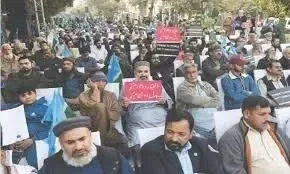
Karachi : saw sustained demonstrations this week after a local court handed down lengthy prison sentences to rights campaigner Imaan Mazari and her husband, lawyer Hadi Ali Chattha. The ruling, delivered under Pakistan’s Prevention of Electronic Crimes Act (PECA), has renewed a national debate over civil liberties, free expression, and the reach of cybercrime legislation.
Public Reaction and Street Protests
Journalists, legal professionals, and civil society members gathered at multiple locations in Karachi to denounce the verdict. Protesters described the decision as a blow to constitutional protections, arguing that it signals a tougher environment for those who question state conduct. Chants and placards called for the repeal of PECA and urged authorities to reverse what demonstrators labeled a punitive use of the law.
The Charges and Court Findings
Court records indicate that Mazari and Chattha were found guilty of sharing online material between 2021 and 2025 that authorities deemed hostile to the state. Prosecutors alleged the posts advanced narratives critical of state institutions and included accusations against the military. The court convicted the couple on three counts, imposing sentences that together amount to 17 years, to be served concurrently.
Defence Response and Denials
Both Mazari and Chattha have rejected the allegations. They say their social media activity focused on human rights advocacy and public-interest issues, including concerns over enforced disappearances. According to the defence, the prosecution reflects political pressure rather than criminal conduct, a claim authorities have not accepted.
Journalists Raise Constitutional Concerns
Addressing the crowd, journalist Saeed Baloch warned that PECA’s enforcement risks eroding freedoms guaranteed by Pakistan’s constitution. He said the law, as applied, threatens the rights to speech, writing, and peaceful assembly, adding that its continued use could deter reporters and citizens from voicing legitimate criticism.
Broader Pattern Alleged by Rights Advocates
Human rights campaigner Qazi Khizer linked the case to what he described as a wider trend. He cited proceedings involving figures such as Ali Wazir, Mahrang Baloch, and various Sindhi nationalists, arguing that individuals pressing for legal safeguards are increasingly facing arrest. Khizer questioned why calls for accountability are being treated as threats.
Family and Political Response
Reacting to the ruling, Shireen Mazari, Imaan Mazari’s mother, described the conviction as unlawful. She said the defence was not given adequate opportunity to present its case, a claim echoed by supporters who allege procedural shortcomings during the trial.
Concerns From Human Rights Groups
Several human rights organisations have expressed alarm over the proceedings, stating that the case illustrates a shrinking space for dissent. In statements issued after the verdict, these groups warned that strict interpretations of cybercrime laws could undermine political participation and discourage open debate, both online and offline.
Ongoing Debate Over Cybercrime Laws
The sentencing has intensified scrutiny of how Pakistan applies its digital regulations. Legal experts and activists argue that vague provisions within PECA allow for broad interpretation, increasing the risk of self-censorship across civil society. Supporters of reform say clearer safeguards are needed to balance national security with fundamental freedoms.
As protests continue, the case has become a focal point in discussions about democratic rights and the limits of state authority in the digital age. Observers note that the outcome of any appeals, as well as potential legislative changes, will be closely watched in the months ahead.
-
Gold, Online Shopping And More: Inside India’s New Inflation Formula

-
Daldal OTT Review: Bhumi Pednekar Brings Twists, Chills In 7 Episodes Of Edge-Of-Seat Drama

-
'Can't Qualify As Electrifying': Aakash Chopra Takes Dig At Pakistan PM Shehbaz Sharif For Praising PAK Team's T20 Win Over Australia
-
ISI Students, Alumni Protest Draft ISI Bill, NEP 2020 In Kolkata, Allege Threat To Autonomy
-
Sunetra Ajit Pawar Education Qualification: All You Need To Know About The NCP Rajya Sabha MP