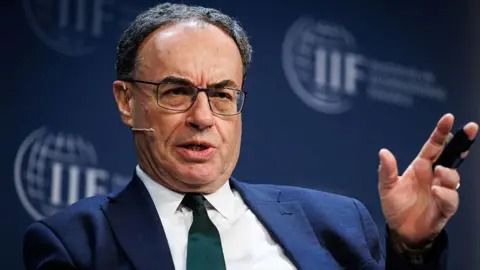
Mark Carney has a history of high-level visibility he’s not just a senior economic advisor in Canada but also the former Governor of both the Bank of Canada and the Bank of England. When a figure of this global stature speaks about international stability, the world listens carefully.
Recently, Carney made headlines with an unusually blunt assessment of the political and economic landscape south of the border, issuing a stern warning about the potential chaos facing trade partners like Canada. His core message was startlingly simple and unnerving: When dealing with US policy today, “Nothing is normal in America.”
This striking commentary primarily focuses on the growing threat of protectionism, specifically the potential return or increase of broad tariffs under future administrations, making the future of US-Canada trade relations profoundly unpredictable.
Carney’s concern isn’t abstract; it’s rooted in very specific and powerful economic tools that the U.S. government holds, notably the possibility of deploying high, across-the-board tariffs—potentially 10% or more on imports. He emphasized that any potential resurgence of Donald Trump’s administration would likely mean renewed aggression on the trade front, where traditional alliances are often ignored in favor of ‘America First’ tactics.
Historically, even America’s closest neighbors like Canada have faced significant tariffs, such as those placed on steel and aluminum. Carney highlighted that these protectionist policies are not aimed just at geopolitical rivals; they indiscriminately harm trade allies as well. Understanding the true scope of this economic uncertainty requires tracking specific threats, like the aggressive deployment of Section 301, a favorite tool in the US trade policy arsenal. This potential unpredictability defines the core risk Mark Carney comments on US political climate.
When a seasoned central banker says things are abnormal, it carries serious weight. Carney is signaling more than simple trade friction; he’s describing a systemic shift where established norms and agreements can be overridden rapidly for political reasons.
For Canadian businesses and exporters, this translates into crippling uncertainty. It becomes virtually impossible to plan capital investments or long-term growth strategies when the economic access to your largest trading partner (the US) could vanish or be taxed excessively on short notice.
Carney argues that because the political climate in Washington D.C. introduces such high structural risk a situation he feels is unprecedented Canada cannot simply wait and hope things normalize. This necessity for preemptive action shapes Canada’s strategic response.
If dependency on the erratic nature of the American market is too risky, the solution, according to Carney, lies in decisive, focused action on Canada’s own economy. He strongly advises Canada to use strategic tools to bolster internal production, aggressively seek deeper trade relationships with nations beyond North America, and invest heavily in its own energy security and technological edge.
In short, his message is a call for defensive diversification: reduce reliance on US-bound exports and increase Canadian competitiveness at home to buffer against aggressive US protectionist policy criticism. It’s a high-stakes, proactive maneuver designed to survive an unpredictable environment, positioning Canada to navigate a trade relationship that, as he observes, is anything but normal.
Read More: Nothing is Normal: Former Bank of England Chief’s Alarming Warning About US Stability and Tariffs
-
Operation 37, the Reverse Caste Card, and Why India Must Be Alert to Manufactured Social Faultlines

-
Hamlet Alive Co-stars Bae Na Ra And Han Jae Ah Are Dating, Agencies Confirm Ahead Of Valentine's Week

-
WWE Royal Rumble 2026: From Match Card, Timings & Live Streaming Details, Check Out All You Need To Know
-
UEFA Champions League Playoff Draw: All French Clash As Monaco Is Set To Face PSG; Newcastle To Play Qarabag

-
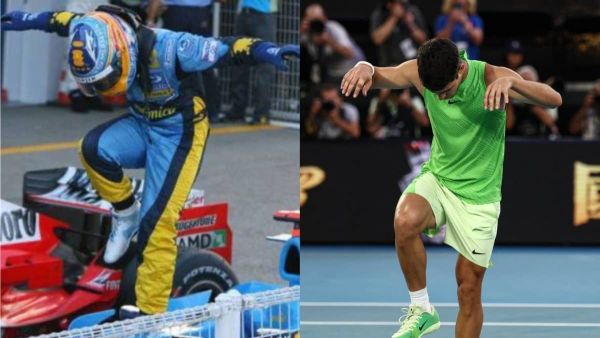
Carlos Alcaraz Replicates F1 Legend Fernando Alonso's Iconic Pose After Victory In Longest Ever Australian Open Semi-Final