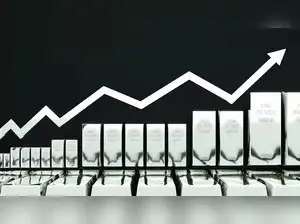
Silver has stormed into the spotlight in early 2026. The metal has surged nearly 50% in January alone, outperforming gold, platinum, and copper by a wide margin. Spot silver recently traded near $110 an ounce, after briefly touching an all-time high close to $118. Intraday swings of 5% or more have become routine. For a market that usually moves slowly, this is an extraordinary shift.
The rally is not happening in isolation. Gold has climbed above $5,200 an ounce, platinum is back near multi-year highs, and copper remains firm. But silver stands out for both speed and scale. According to data cited by Reuters, silver is already up more than 50% year-to-date, extending a powerful run that began in 2025. Over the past year, prices are up roughly 250%, far outpacing gold’s gains.
This move is forcing portfolio managers to rethink silver’s role. For decades, silver lagged stocks and even underperformed gold. Since 1921, silver has lost roughly 96% in relative value against the S&P 500, a reminder that it is not a long-term wealth compounding asset. Yet in moments of stress, inflation, or supply disruption, silver often behaves differently. That is exactly what markets are witnessing now.
At the same time, industrial demand is tightening the physical market. Silver is a critical input for solar panels, electric vehicles, semiconductors, medical devices, and electronics. Clean-energy investment continues to rise, and silver demand from solar manufacturing alone has grown sharply over the past two years. Unlike gold, most silver is consumed, not stored. Once it enters industrial use, much of it is gone for good.
Supply has not kept pace. Mine output growth has been modest, recycling volumes are limited, and years of underinvestment have left the market vulnerable. When investor flows accelerate, there is little buffer. That imbalance helps explain why silver’s daily price moves now regularly exceed those of gold.
In January, the ratio fell below 50 for the first time since 2012. That is exceptionally rare. Since the mid-1980s, such levels have occurred on only a small fraction of trading days. It tells investors that silver is trading at its strongest relative level against gold in nearly 14 years.
The implications are significant. If the ratio were to revert to its long-term average while gold stays near $5,100, silver would need to fall into the low-$70 range, a decline of roughly one-third. If silver holds near $110, gold would need to rise toward $7,700 an ounce. Markets are now debating which adjustment is more likely.
Supporters of the rally see something more structural. They point to persistent deficits in the physical market, rising clean-energy usage, and growing interest from institutional investors who previously ignored silver. Unlike gold, silver’s market is smaller and thinner. That makes it more reactive to shifts in sentiment and flows.
Bullish forecasts are becoming more common. Citigroup recently said spot silver could reach $150 an ounce within three months, extending what is already one of the strongest rallies in modern metals history. Whether that target is reached or not, the debate itself highlights how dramatically perceptions have changed.
Retail buyers rarely pay exactly the spot price. Markups, shipping, insurance, and dealer margins all add to the final cost. This is where price spreads matter. The spread is the gap between the ask price (what buyers pay) and the bid price (what sellers receive). Narrow spreads usually indicate strong demand and high liquidity. Widening spreads can signal stress or shortages in physical markets.
These dynamics have become more visible during the current rally, especially in popular products such as bullion bars and government-minted coins.
Today, silver’s appeal is amplified by its dual identity. It is both a monetary metal and an industrial input. That combination explains why it can lag for years and then surge suddenly. Investors considering silver now must balance momentum with risk. Prices are higher than at any point in the past decade. Volatility is elevated. Pullbacks can be sharp.
Silver extended its strong run. SI00 silver rose to $111.60, gaining $5.64 or 5.33% on heavy volumes. Prices remain close to recent record levels, with a wide trading range between $27.52 and $117.70, underscoring elevated volatility.
Platinum also advanced. PL00 platinum climbed to $2,636.50, up $99.20 or 3.91%. The metal continues to benefit from supply concerns and improving industrial sentiment.
Copper posted modest gains. HG00 copper traded at $5.92, up $0.06 or 0.96%, supported by steady demand expectations and constrained supply outlooks.
The rally is not happening in isolation. Gold has climbed above $5,200 an ounce, platinum is back near multi-year highs, and copper remains firm. But silver stands out for both speed and scale. According to data cited by Reuters, silver is already up more than 50% year-to-date, extending a powerful run that began in 2025. Over the past year, prices are up roughly 250%, far outpacing gold’s gains.
This move is forcing portfolio managers to rethink silver’s role. For decades, silver lagged stocks and even underperformed gold. Since 1921, silver has lost roughly 96% in relative value against the S&P 500, a reminder that it is not a long-term wealth compounding asset. Yet in moments of stress, inflation, or supply disruption, silver often behaves differently. That is exactly what markets are witnessing now.
What is driving silver’s explosive rally in 2026
The current surge is powered by a rare alignment of safe-haven demand and industrial scarcity. On the investment side, global markets remain uneasy. Sticky inflation, heavy government borrowing, and fears of policy mistakes have driven investors toward hard assets. Silver is benefiting alongside gold, but with greater volatility.At the same time, industrial demand is tightening the physical market. Silver is a critical input for solar panels, electric vehicles, semiconductors, medical devices, and electronics. Clean-energy investment continues to rise, and silver demand from solar manufacturing alone has grown sharply over the past two years. Unlike gold, most silver is consumed, not stored. Once it enters industrial use, much of it is gone for good.
Supply has not kept pace. Mine output growth has been modest, recycling volumes are limited, and years of underinvestment have left the market vulnerable. When investor flows accelerate, there is little buffer. That imbalance helps explain why silver’s daily price moves now regularly exceed those of gold.
Silver versus gold: why the ratio matters right now
One of the clearest signals of silver’s strength is the gold-to-silver ratio. This metric shows how many ounces of silver it takes to buy one ounce of gold. Historically, the ratio has averaged around 70, according to analysis cited by Forbes.In January, the ratio fell below 50 for the first time since 2012. That is exceptionally rare. Since the mid-1980s, such levels have occurred on only a small fraction of trading days. It tells investors that silver is trading at its strongest relative level against gold in nearly 14 years.
The implications are significant. If the ratio were to revert to its long-term average while gold stays near $5,100, silver would need to fall into the low-$70 range, a decline of roughly one-third. If silver holds near $110, gold would need to rise toward $7,700 an ounce. Markets are now debating which adjustment is more likely.
Is silver overpriced or being structurally repriced?
This is the central question facing investors. Skeptics argue the rally has outrun fundamentals. Silver remains volatile and sensitive to global growth. A slowdown in manufacturing or trade tensions could weaken industrial demand quickly.Supporters of the rally see something more structural. They point to persistent deficits in the physical market, rising clean-energy usage, and growing interest from institutional investors who previously ignored silver. Unlike gold, silver’s market is smaller and thinner. That makes it more reactive to shifts in sentiment and flows.
Bullish forecasts are becoming more common. Citigroup recently said spot silver could reach $150 an ounce within three months, extending what is already one of the strongest rallies in modern metals history. Whether that target is reached or not, the debate itself highlights how dramatically perceptions have changed.
What “spot silver” and price spreads really tell investors
The term “spot silver” refers to the price for immediate delivery in the wholesale market. It acts as a real-time benchmark for supply and demand. When spot prices jump sharply, it usually signals tight physical availability or aggressive buying interest.Retail buyers rarely pay exactly the spot price. Markups, shipping, insurance, and dealer margins all add to the final cost. This is where price spreads matter. The spread is the gap between the ask price (what buyers pay) and the bid price (what sellers receive). Narrow spreads usually indicate strong demand and high liquidity. Widening spreads can signal stress or shortages in physical markets.
These dynamics have become more visible during the current rally, especially in popular products such as bullion bars and government-minted coins.
How silver fits into portfolios after this historic surge
Silver has never been a get-rich-quick asset over long horizons. Stocks remain superior for wealth creation. But silver’s role is different. It is often used as a store of value during inflationary periods, currency stress, or market volatility. In that sense, it functions more like financial insurance than a growth engine.Today, silver’s appeal is amplified by its dual identity. It is both a monetary metal and an industrial input. That combination explains why it can lag for years and then surge suddenly. Investors considering silver now must balance momentum with risk. Prices are higher than at any point in the past decade. Volatility is elevated. Pullbacks can be sharp.
Current precious metals prices (latest session)
Gold prices moved higher, with GC00 gold trading at $5,241.80, up $159.20 or 3.13%. The session saw strong activity, with prices holding within a $2,737.40–$5,306.00 range, reflecting continued safe-haven demand.Silver extended its strong run. SI00 silver rose to $111.60, gaining $5.64 or 5.33% on heavy volumes. Prices remain close to recent record levels, with a wide trading range between $27.52 and $117.70, underscoring elevated volatility.
Platinum also advanced. PL00 platinum climbed to $2,636.50, up $99.20 or 3.91%. The metal continues to benefit from supply concerns and improving industrial sentiment.
Copper posted modest gains. HG00 copper traded at $5.92, up $0.06 or 0.96%, supported by steady demand expectations and constrained supply outlooks.