One of the most iconic shirts in Manchester United’s history is going up for sale - it belonged to the ‘Hero of Munich’ Harry Gregg. Gregg survived the horrific 1958 plane crash and famously showed his courage by going back into the wreckage to save team-mates including Bobby Charlton.
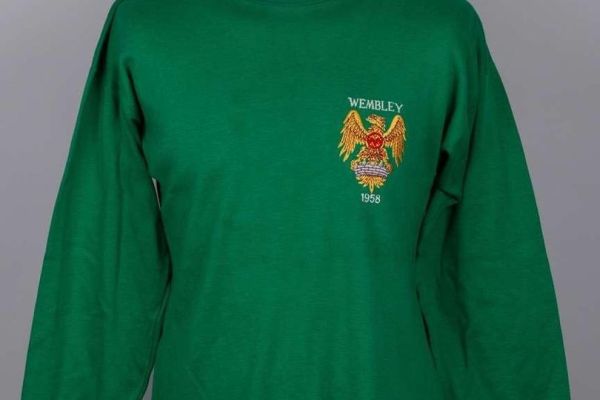
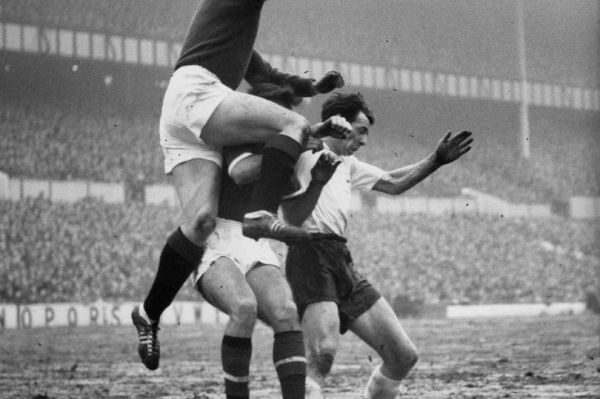
Now his goalkeeper’s jersey from that year’s FA Cup final is being sold at auction next month. It’s so famous because Gregg was wearing the shirt when he was notoriously bundled into the net for a controversial goal by Bolton Wandererslegend Nat Lofthouse.
Some of his other shirts are also being auctioned - Gregg died in 2020 aged 87.
Football historian Peter Kenny Jones said: “The Harry Gregg Collection arrives at a moment when the sports memorabilia market is more informed, more discerning and more global than ever before.
“Collectors are no longer simply acquiring objects; they are acquiring stories, context and cultural significance. This collection offers all three.
- Sir Jim Ratcliffe summoned Michael Carrick after admitting Man Utd 'mistake' made
- Liverpool sent clear Trent Alexander-Arnold return message after Real Madrid exit claim
“From the singular green shirt worn at Wembley in 1958, to European Cup exchanges with Real Madrid and Benfica, these items represent the intersections of sport, history and human resilience. They tell a story that transcends club rivalries and national borders.
“Sports memorabilia is not just a passion. It is an investment in the moments that shaped the games we love. In Harry Gregg’s case, it is also an investment in courage, integrity and a life lived with quiet dignity.
“When the hammer falls in February, these shirts will pass into new hands. What they carry with them – the weight of history, the echo of crowds long gone, the legacy of a man who stood firm when it mattered most – will endure.”
The shirt is expected to fetch £20,000 but could be sold for much more. The collection also includes match-worn and swapped shirts from domestic and European fixtures, reflecting Gregg’s standing in the game.
They include a green Real Madrid goalkeeper shirt worn by Rogelio Domínguez in 1959 and acquired by Gregg following a post-match swap. And a black number one Benfica shirt worn by Costa Pereira during the European Cup quarter-final second leg against Manchester United in 1966.
That match, played in Lisbon and won 5-1 by United, is remembered as the occasion on which George Best was famously dubbed “El Beatle”.
A spokesman for the auctioneers Budds said: “Ten red shirts were prepared for the 1958 FA Cup final. Only one was made in green, leaving a single surviving example from one of the most significant matches in the club’s history.
“The final itself remains debated. Bolton’s second goal came after Gregg was bundled over the goal line by Nat Lofthouse, in an era when goalkeepers had far less protection than they do today. The incident became part of a wider debate that later fed into changes in the laws of the game.
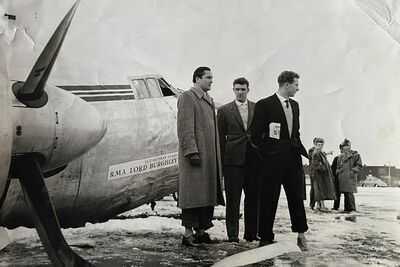
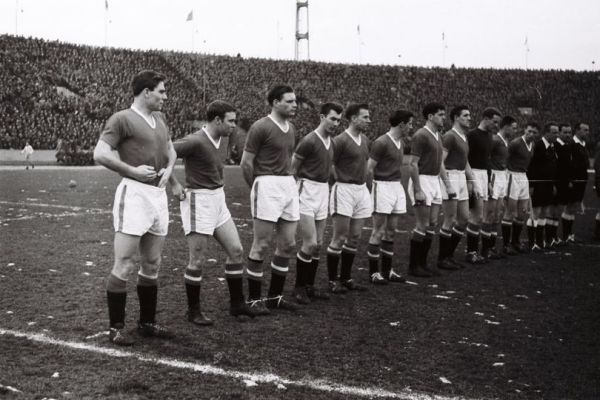
In February 1958, Gregg was part of the Manchester United squad returning from a European Cup tie against Red Star Belgrade when their aircraft stopped to refuel in Munich.
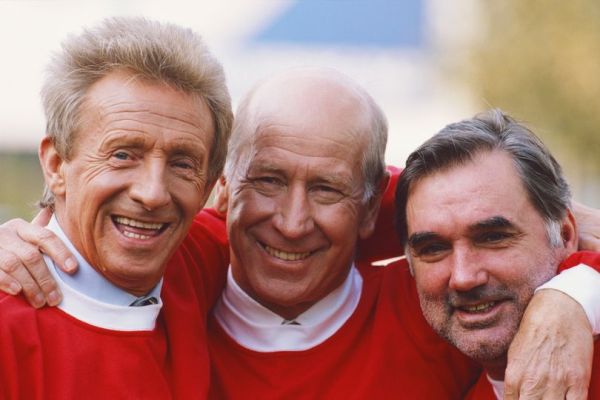
After two aborted take-off attempts, the plane crashed on the third, killing 23 people, including eight players and three members of the club’s staff.
In the aftermath, Gregg went back to the wreckage to bring survivors out, including team-mates Bobby Charlton, Dennis Viollet and Jackie Blanchflower, as well as a young child. The actions led to the nickname that followed him for life. The ‘Hero of Munich’.
Gregg was a central figure at Manchester United during the Matt Busby era, making 247 appearances for the club. He joined United in December 1957 for a fee of around £23000, which at the time made him the most expensive goalkeeper in the world.
At international level, he was capped 25 times for Northern Ireland between 1954 and 1963, and represented his country at the 1958 World Cup in Sweden - where he was named the tournament’s best goalkeeper.
In 2015, he launched the Harry Gregg Foundation, aimed at encouraging young people’s participation in sport while promoting education, heritage and social inclusion. It was an extension of the values he had carried throughout his life: humility, responsibility and community.
-
Indian-origin models walk for Matthieu Blazy's debut chanel couture show in Paris: Their stories unfold

-
Stylish Blouse Designs to Elevate Your Saree for Wedding Season

-
India's energy sector entering phase of unprecedented growth: IOC Chairman
-
Kerala's financial position improving, budget not election-oriented: FM Balagopal
-
Airbus projects India's aircraft fleet to triple by 2035