
Sending money through UPI has become second nature for millions of Indians. From paying grocery bills to transferring rent, everything happens in seconds. However, this speed can sometimes turn into a problem. One small mistake—entering the wrong UPI ID or selecting the wrong account—and the money is gone. The moment the screen flashes “Transaction Successful,” panic sets in. The big question then is: will you get your money back or not?
The reality of a wrong UPI transfer is neither completely hopeless nor fully reassuring. Understanding how the system works can help set the right expectations and guide you on what steps to take next.
Why Is It So Hard to Reverse a Successful UPI Payment?
UPI is designed for instant and final transfers. The moment a transaction is marked successful, the money moves directly from your bank account to the receiver’s account. There is no cooling-off period and no automatic reversal button. This is one of the biggest reasons why reversing a UPI payment feels so difficult.
From a technical and legal point of view, once the transfer is successful, the money legally belongs to the receiver. Even if the payment was made by mistake, the bank cannot simply take the amount back without the receiver’s consent. The entire UPI ecosystem is built on speed and trust, not on second chances. That is why the responsibility of checking details—such as the receiver’s name and UPI ID—lies completely with the sender.
What Should You Do Immediately After a Wrong Transfer?
If you realize that you have sent money to the wrong UPI ID, the first step is to raise a complaint within the same UPI app you used for the transaction. Almost every UPI app has an option like “Dispute,” “Wrong Transfer,” or “Report an Issue” linked to each transaction.
Filing a complaint does not mean the money will come back instantly, but it ensures that the issue is officially recorded. Once the complaint is raised, your bank contacts the receiver’s bank. The receiver is then informed that the money was transferred by mistake and is asked whether they are willing to return it.
If the receiver agrees, the amount is usually refunded within a few working days. This is the most straightforward and successful scenario—but it depends entirely on the receiver’s cooperation.
What If the Receiver Refuses or Does Not Respond?
This is where things get complicated. If the receiver refuses to return the money or simply ignores the request, the bank has very limited options. Without explicit permission, no bank is legally allowed to debit money from someone’s account—even if the transfer happened due to an error.
In such cases, banks may suggest submitting a written complaint or, in some situations, informing the local police. However, even these steps do not guarantee a refund. They may help in serious cases, but there is no assurance that the money will come back.
When Does the Money Automatically Return?
There is one situation where users get lucky. If you send money to a non-existent or invalid UPI ID, the transaction usually fails. In such cases, the amount is automatically reversed and credited back to your account. This is why it is crucial to check whether a transaction has failed or succeeded. Once it is marked successful, the outcome depends on the receiver.
Does Filing a Complaint Quickly Help?
Yes, but only to an extent. Raising a complaint as soon as possible helps because it reaches the receiver faster and clearly shows that the transfer was accidental. However, speed does not change the rules. There is no fixed time limit within which a bank can force a refund. Quick action improves your chances but does not guarantee recovery.
Why UPI Fraud Cases Are Also Hard to Recover
The same logic applies to UPI fraud. Even if money is sent under deception, recovery is not automatic. In some cases, accounts may be frozen if fraud is proven, but that still does not ensure that the victim will get the money back. This often surprises users who assume that fraud complaints always result in refunds.
The Hard Truth About UPI Payments
UPI feels strict because it works brilliantly when everything goes right. Payments are fast, seamless, and convenient. But when a human error occurs, the system offers very little flexibility. The few seconds during which the receiver’s name appears on your screen before you confirm the payment are not a formality—they are your strongest safety check.
In short, if you send money to the wrong UPI ID, getting it back is possible but not guaranteed. Your best protection is caution. Always double-check details before hitting “Pay,” because with UPI, speed comes at the cost of forgiveness.
-
WATCH: Tim David Reignites 'Chucking' Row Around Pakistan's Usman Tariq

-
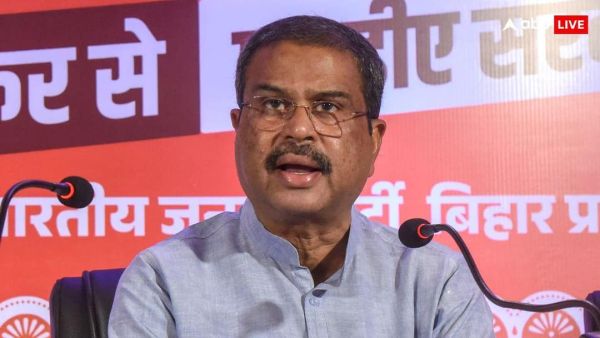
Union Minister Dharmendra Pradhan's Resignation Accepted: Sources
-
Ex-Cricketer Rajesh Chauhan Booked For ₹15 Lakh Cheating Case In Fake Jindal Steel Contract Scam

-
IND Vs ZIM 2nd T20I Toss Update: Zimbabwe Win & Opt To Bowl; Yash Thakur Makes Debut

-
PDP President Mehbooba Mufti Hails Dharmendra Pradhan's Resignation As Youth Victory, Says Kashmiri Participation Proves India's Unity