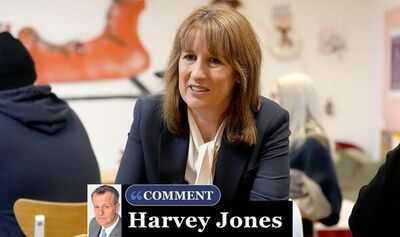
It's not just me saying that. Pensions experts are urgently warning that Rachel Reeves is exposing millions of pensioners and their families to "chaos, misery and the risk of financial penalties". The House of Lords has come to a similar conclusion, publishing a damning report today on the Chancellor's "unrealistic" plans to slap inheritance tax on unused defined contribution pension pots and death benefits.
I've regularly slated this proposal, both as an attack on people who have done the right thing and saved for retirement, and as a practical disaster in the making. So it's grimly satisfying to see a House of Lords committee agree. It suggests the policy is complex, unworkable and will cause huge anxiety and expense for those affected, leaving families exposed to big penalties they can do nothing about.
In her maiden Budget in October 2024, Reeves announced that unused defined contribution pensions would be liable to inheritance tax (IHT) from April 2027. Pension values will be added to other assets such as homes, savings and valuables, and potentially subject to IHT if estates exceed the £325,000 nil-rate band, or £175,000 main residence band where a home is passed to children or grandchildren.
But even families below those thresholds could face a legal and bureaucratic nightmare.
Today, unused defined contribution pension pots, the type invested in the stock market, are not subject to IHT, allowing people to pass on what's left after a lifetime of saving.
From April 2027, they will be taxed on death, with beneficiaries potentially also paying income tax when they withdraw what remains. I've previously called it a double death tax.
Sorting out an estate can take years. Executors must arrange funerals, value assets, apply for probate, deal with HMRC and distribute what remains. Many are unpaid family members with no financial background, yet face personal legal risk if they make mistakes.
Reeves's changes pile even more responsibility onto them. Executors would be expected to trace every pension the deceased ever had, establish beneficiaries, calculate inheritance tax due and pay it within six months of death. That deadline comes before probate is granted and before pension funds are released.
Frankly, it's ridiculous to expect ordinary people to manage that, especially given how slow pension companies can be.
The House of Lords Economic Affairs Finance Bill Sub-Committee today condemned the move. Chair Lord Liddle said it was particularly concerned about the impact on executors at a time of grief, warning it will bring "significant delays and costs".
He added it was "not realistic" to expect executors to meet the six-month deadline, warning many would face late payment interest through no fault of their own.
That interest is charged at 8%, leaving families exposed if pension providers or probate offices drag their feet. Executors could even become liable for tax on assets they cannot access. The committee recommends extending the six-month deadline to 12 months.
It's the latest critic to tear into Reeves's plan. Former pensions minister Ros Altmann has warned for months that it will cause "chaos, misery, costs and risks for executors". "To find all the pensions, identify who will inherit, then calculate and pay the IHT due within six months is unworkable."
The problems run deep. Pension administrators are not notified of deaths instantly. Checks and valuations take time. Even estates that ultimately owe no tax may be dragged into the process.
Faced with the threat of a 40% tax on death, many savers will withdraw funds early, leaving less invested for later life.
The House of Lords has fired a clear warning shot. Reeves should listen, rethink and reverse this before it does lasting damage to retirement security. Or better still, axe this unjust and impractical pensions tax raid altogether.
-
Cyprus–UAE Engagement: From Momentum to Investment

-
Karisma Kapoor dances on Mirchi Lagi Toh Main Kya Karoon with Chef Kunal Kapur, recreates 90s magic

-
"Great loss for the country...": Karnataka Chief Minister Siddaramaiah on Ajit Pawar Plane Crash
-
80s chart-topper issues heartbreaking tribute after Christmas Day death
-
King Charles holds talks with Archbishop of Canterbury as heckler disrupts service