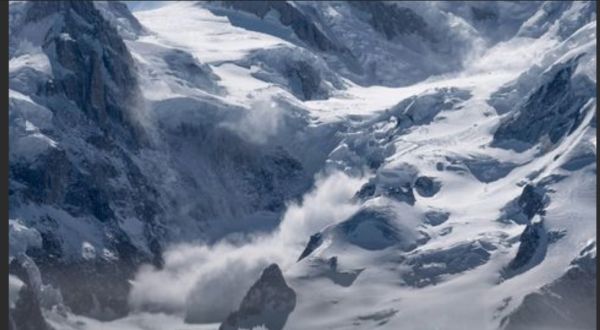
In a shocking sight amid the recent heavy snowfall in Himachal Pradesh, a viral video from Pangi valley in Chamba district shows thick layers of fresh snow flowing down like a flowing “river” or waterfall in the remote Mindhal village area. This clip, shared by user Nikhil Saini on January 28, 2026, shows locals blowing traditional whistles to alert neighbors about the fast-flowing “white flood”, showing both its beauty and danger.
This rare phenomenon, sometimes called a “snowfall” or dry avalanche, occurs when loose, fresh snow accumulates on steep peaks and is triggered by gravity, wind or minor disturbances. It falls rapidly, resembling a river of ice rather than a typical wet avalanche. Although mesmerizing to watch, such flows pose serious risks to highland settlements, including the risk of submergence and damage to infrastructure. Officials have appealed to exercise caution in the affected tribal areas.
The snowfall, which was the heaviest in 24 hours (with reports of heavy snowfall in the upper reaches), brought relief from a prolonged “snow drought” in the Himalayas this winter. This follows the last snowfall around January 23 and is linked to active western disturbances – moisture systems coming from the Mediterranean Sea combining with cold northerly air to bring widespread rainfall from late January 2026. Nearby areas like Pangi and Lahaul-Spiti received heavy snowfall, leaving remote villages covered in snow.
The extreme inaccessibility of the Pangi Valley surrounded by the Pir Panjal and Zanskar mountain ranges further increases its effects. Recent reports confirm that hundreds of roads are closed across the state (some updates have more than 1,200, including more than 100 in Chamba district), including main thoroughfares in tribal areas. Villagers are making their way through snow-covered roads and makeshift bridges over frozen drains, causing disruption in supplies, electricity and services. The heavy snow has put a strain on infrastructure but has been welcomed for the environment.
This “white boon” replenishes the glaciers that feed rivers like the Chenab, supports rabi crops in the plains of Punjab/Haryana through meltwater and rain, and provides much-needed cooling hours to apple orchards in Kinnaur/Kullu. Experts say that although western disturbances cause such events, changing patterns and reduced winter rainfall (more than 90% less in some parts earlier this season) indicate climate extremes—long periods of drought followed by sudden heavy rains—have been made worse by global warming.
As the alerts continue, the people of Pangi are managing the immediate challenges along with the long-term benefits of a snow-covered landscape vital to water security and the Himalayan biodiversity.
-
Ajit Pawar dies in crash; spotlight on poor charter safety

-
India protects mass-market cars, dairy and staples in EU trade pact

-
At 7.8%, December IIP growth zooms to over two-year high

-
MSFT stock price today: Why is Microsoft stock falling despite strong earnings? Here's what’s worrying investors

-
Meta stock today surges over 9% after Meta earnings beat estimates and AI spending outlook boosts investor confidence