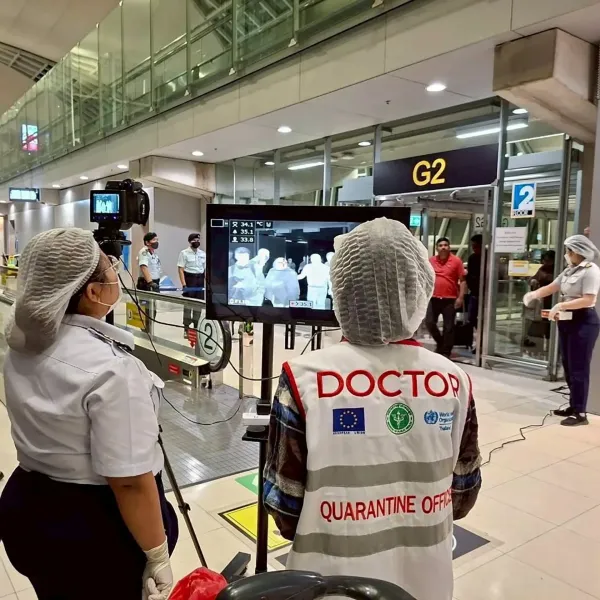
Singapore : has announced enhanced health monitoring at Changi Airport following reports of a Nipah virus outbreak in India’s West Bengal state. The move reflects a precautionary approach aimed at reducing the risk of imported infections while keeping international travel functioning smoothly. Authorities say the measures are temporary and will be adjusted as the regional public health situation evolves.
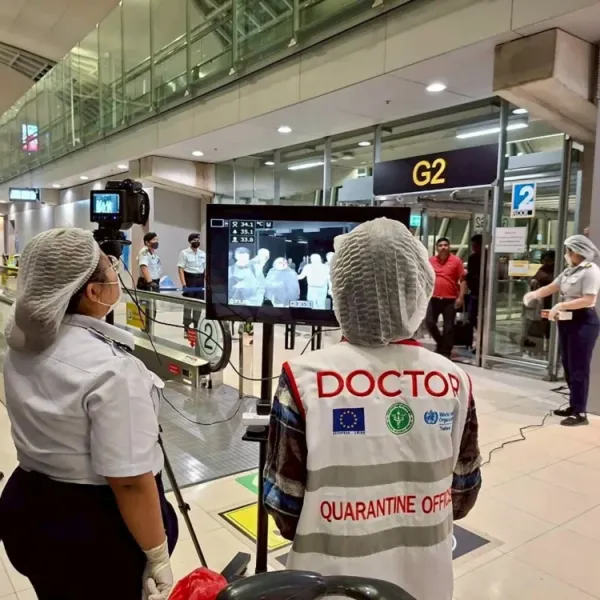
Enhanced Screening at Changi Airport
Health officials confirmed that temperature screening will be expanded for passengers arriving on flights from regions identified as higher risk. These checks are designed to identify travelers who may be unwell upon arrival and ensure they receive prompt medical attention if necessary. Airport staff have been briefed to follow established health protocols while minimizing disruption to passenger movement.
The authorities stressed that the screening measures are preventive and do not indicate any confirmed cases in Singapore. Travelers are encouraged to cooperate with airport procedures, which are part of long-standing preparedness plans for infectious diseases.
Travel Advisories Issued at Entry Points
In addition to screening, health advisories will be distributed at Singapore’s border checkpoints. Inbound travelers will receive guidance on monitoring their health after arrival, including instructions to seek medical care if symptoms develop. Outbound travelers are also being advised on general health precautions, particularly when visiting areas where Nipah virus cases have been reported.
The Communicable Diseases Agency noted that clear communication with travelers is essential to early detection and containment. Officials emphasized that individuals who feel unwell should not delay medical consultation, as early care can reduce complications and limit further transmission.
Monitoring of Migrant Workers
The Ministry of Manpower has also increased health surveillance for newly arrived migrant workers from South Asia. This includes closer monitoring during the initial period after arrival to identify any signs of illness. The ministry said these steps are consistent with existing occupational health safeguards and are intended to protect both workers and the wider community.
Employers have been reminded to ensure that workers report symptoms promptly and that appropriate medical support is available when needed.
Understanding Nipah Virus Transmission
Nipah virus is known to spread primarily through contact with infected animals, particularly fruit bats, or through consumption of food contaminated by bats. In some settings, limited human-to-human transmission has also been documented, usually among close contacts or caregivers.
Singapore’s health authorities highlighted that ongoing bio-surveillance of local bat populations, which has been in place since 2011, has not detected the presence of the virus. This monitoring program is part of broader efforts to assess potential zoonotic risks within the country.
History and Regional Context
The virus was first identified in 1999 during an outbreak among pig farmers in Malaysia. That episode resulted in significant economic losses due to livestock infections, but no further outbreaks have been reported there since. In Bangladesh, Nipah virus was recognized in 2001 and has since caused nearly annual outbreaks, often linked to the consumption of raw date palm sap.
India has also reported sporadic cases over the years, particularly in eastern regions. Health authorities across the region continue to share information and strengthen surveillance to manage the risk of cross-border spread.
Symptoms and Health Risks
In humans, Nipah virus infection can present a wide range of symptoms. Early signs often include fever, headache, muscle pain, vomiting, and sore throat. In more serious cases, patients may develop neurological symptoms such as confusion, drowsiness, and seizures, indicating inflammation of the brain.
Respiratory complications, including severe pneumonia and acute respiratory distress, have also been observed. In the most critical cases, the illness can progress rapidly to coma within one to two days. Health experts note that while not all infections are severe, the potential for serious outcomes makes early detection and supportive care vital.
Singaporean authorities reiterated that there is no immediate cause for alarm but urged the public to stay informed through official channels and practice basic health precautions.
-
'I worked closely with Xabi Alonso - replacing Arne Slot at Liverpool would be perfect'

-
Tottenham next transfer clear after striker deal confirmed by club

-
New NatWest rule change means customers could get £37,500 extra

-
Who is Danielle Scott-Haughton? Death in Paradise pays tribute

-
Thomas Frank admits Tottenham transfer that could happen before window closes