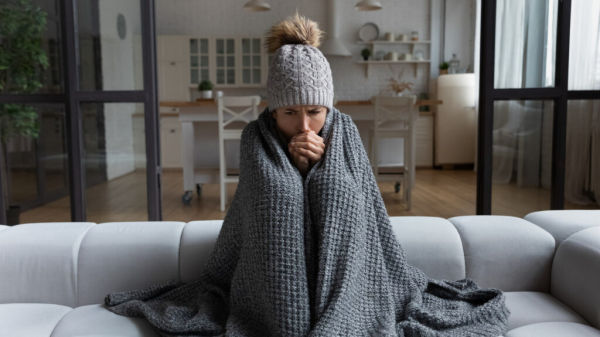
You may be dreaming of warm beaches and cold iced tea, but unfortunately, as of this writing, most of the U.S. is still deeply entrenched in winter, facing storms that have dumped snow and ice on more than half the country. While we have experienced a consistent warming trend in winter over the last few decades, cold snaps can be tough to handle. Frigid temperatures can close schools and businesses, lead to burst pipes, cause unsafe travel conditions, and make it difficult to simply keep your home warm and cozy.
Some parts of the U.S. are equipped for and accustomed to extremely cold winters, but those that rarely see it may not be so well prepared. In late January 2026, freeze warnings extended into Florida and the Gulf Coast, and even parts of Texas were under cold weather alerts. As temperatures fall, it may get harder and harder to heat your home to a level that feels comfortable, especially if you have a heating system that’s not made for extreme cold, like a heat pump.
Instead, many simply turn up the heat and hope for the best when the billing cycle catches up, or they turn to supplemental heating sources and other tricks to stay warm. Some alternatives, like electric blankets, can help, but others, like moving your grill indoors or using your stove, can be very dangerous. You could start a fire or face a silent killer – carbon monoxide. Here are some things to do (and some things to not do) that will help keep you and your family safe and warm in winter.
How to safely heat your home
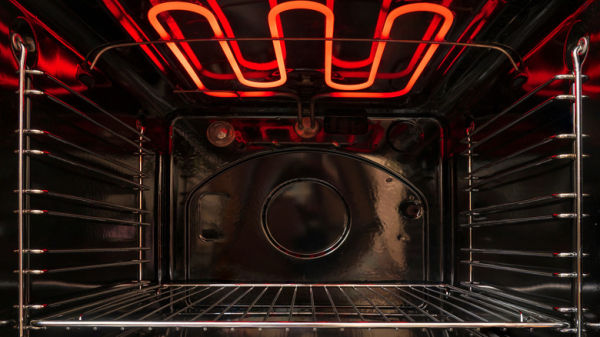
When the season of hot chocolate and warm mittens hits, you may think about upgrading your heating system, but that won’t be much help in the middle of a cold snap until the work is actually completed. In the meantime, stick with safe methods if your home heating isn’t keeping up. Never use your stove or oven to try to heat your living space. In addition to the risk of fire, you also potentially expose yourself to fatal levels of carbon monoxide. The grill out on your back patio or porch belongs outside — not indoors. Using a grill or other outdoor appliance indoors is just as dangerous as using your oven for heat and should not be attempted.
Electric space heaters are a safe alternative, but only if used properly. The U.S. Fire Administration recommends that you keep anything flammable at least three feet away from a space heater and turn them off if you leave the room and when you go to bed. If you plan to use your fireplace or wood stove for supplemental heating, you should also keep flammable objects well away from those and have them cleaned and inspected annually, prior to their use.
Finally, kerosene heaters may seem old-fashioned, but they’re still sold and used as supplemental heating. The U.S. Consumer Product Safety Commission advises you to always use 1-K grade kerosene (not gasoline), re-fuel the heater outdoors, keep the wick in good condition, and operate it only in a well-ventilated area.