
Listen to this article in summarized format
Loading...
××
Subscribe to

Unlock AI Briefing and Premium Content
Subscribe NowWhat's Included
- Exclusive Stories
- Daily ePaper Access
- Smart Market Tools
- Curated Investment Ideas
- Ad-lite Experience
Subscription

A young man in his late twenties, seemingly healthy and in the prime of his life, walked into a clinic carrying symptoms so subtle that most people would have brushed them aside. No severe pain. No dramatic warning signs. Just tiredness, slight swelling, and a nagging feeling that something wasn’t right. What followed was a medical shock that highlights how silent and dangerous chronic disease can be, even in people who look fit and feel functional.
Dr Priyam Bordoloi, MBBS, MD Internal Medicine, who is currently a final-year resident, took to X to share the case of a 29-year-old patient whose kidneys had already failed by the time he sought medical help. Dr Bordoloi described holding a lab report that, in his words, should not have belonged to someone this young. At 29, most people expect to be at their physical peak. Instead, this patient was facing a diagnosis that turned his life upside down.
At such extreme levels, Dr Bordoloi explained, the blood is no longer just unhealthy. It becomes toxic, affecting the brain, the heart, and every vital organ in the body. This condition, known as severe uremia, is so dangerous that many people do not survive long enough to reach a clinic in this state.
Because he looked fit and was under 30, the patient assumed he was healthy and resilient. That assumption proved costly. By the time he reached the emergency room, the opportunity for simple medical interventions had already passed.
In a follow-up update, Dr Priyam Bordoloi clarified that doctors are still conducting a detailed clinical work-up to identify the exact cause of the patient’s kidney failure. However, he pointed to a worrying trend doctors are increasingly seeing: a sharp rise in CKD-u, or chronic kidney disease of unknown origin. In many young patients, the usual causes such as diabetes or long-standing hypertension are often absent. Instead, the condition appears to stem from a complex mix of factors, including exposure to environmental toxins and heavy metals, chronic dehydration and heat stress, agricultural chemicals, and genetic predisposition. In several cases, it is not a single trigger but the silent buildup of damage over many years. This, he stressed, makes regular screening essential, even for those who feel completely healthy.
Dr Priyam Bordoloi, MBBS, MD Internal Medicine, who is currently a final-year resident, took to X to share the case of a 29-year-old patient whose kidneys had already failed by the time he sought medical help. Dr Bordoloi described holding a lab report that, in his words, should not have belonged to someone this young. At 29, most people expect to be at their physical peak. Instead, this patient was facing a diagnosis that turned his life upside down.
Alarming lab results
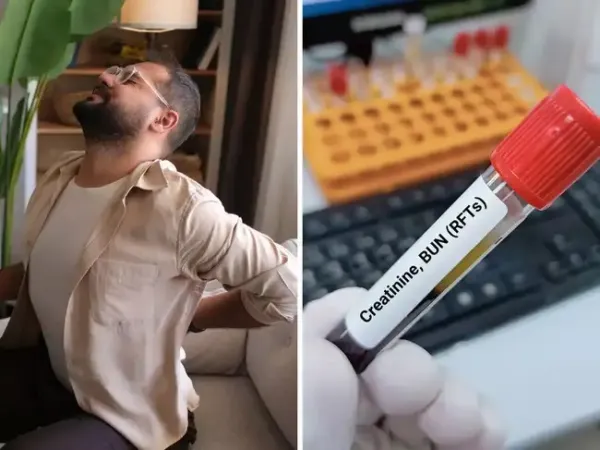
The lab values were alarming. The patient’s creatinine level was 33.01 mg/dl. For context, a normal creatinine level is close to 1.0, shared the doctor. According to Dr Bordoloi, seeing a number that high was not a minor abnormality or a lab error. It was a clear medical emergency. Alongside this, the patient’s urea level was recorded at 340.12, when normal values are typically below 40.At such extreme levels, Dr Bordoloi explained, the blood is no longer just unhealthy. It becomes toxic, affecting the brain, the heart, and every vital organ in the body. This condition, known as severe uremia, is so dangerous that many people do not survive long enough to reach a clinic in this state.
Patient's symptoms
What made the case even more concerning was how quietly the disease progressed. The patient did not experience intense or unbearable pain. Instead, he had vague fatigue, which he attributed to work stress. He noticed mild swelling but assumed it was due to sitting for long hours. There was also a general sense of feeling off, something he ignored for months because it did not seem serious.Because he looked fit and was under 30, the patient assumed he was healthy and resilient. That assumption proved costly. By the time he reached the emergency room, the opportunity for simple medical interventions had already passed.
Doctor's warning
Dr Bordoloi used this case to underline a harsh reality. Age does not protect against chronic disease. Feeling fine does not replace objective medical data. A basic blood test takes only minutes, but untreated kidney failure can mean spending hours every week on lifelong dialysis. He stressed the importance of listening to one’s body without falling into constant fear or health anxiety. Not every ache needs panic, but persistent symptoms should never be buried under work pressure or busy schedules. According to him, annual basic lab tests can make a critical difference.In a follow-up update, Dr Priyam Bordoloi clarified that doctors are still conducting a detailed clinical work-up to identify the exact cause of the patient’s kidney failure. However, he pointed to a worrying trend doctors are increasingly seeing: a sharp rise in CKD-u, or chronic kidney disease of unknown origin. In many young patients, the usual causes such as diabetes or long-standing hypertension are often absent. Instead, the condition appears to stem from a complex mix of factors, including exposure to environmental toxins and heavy metals, chronic dehydration and heat stress, agricultural chemicals, and genetic predisposition. In several cases, it is not a single trigger but the silent buildup of damage over many years. This, he stressed, makes regular screening essential, even for those who feel completely healthy.