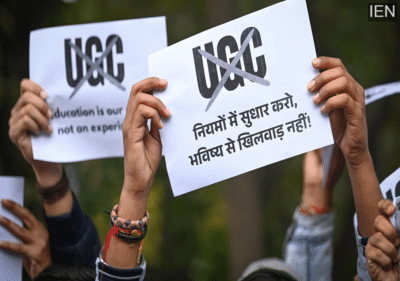
The Supreme Court of India has temporarily stayed the University Grants Commission (UGC) Equity Regulations 2026. The court expressed concerns regarding the definition of caste-based discrimination in the new rules and has sought responses from the Central Government and UGC before any final decision.
Old Regulations to ContinueOn Thursday, the Supreme Court ordered an interim stay on the implementation of UGC’s 2026 equity regulations. The move comes after questions were raised about certain provisions, especially those defining caste-based discrimination. Until further orders, the older 2012 UGC equity rules will remain in force, and institutions will continue to follow them.
Supreme Court’s ConcernsDuring the hearing, the court emphasized the need for a fair, inclusive, and unbiased academic environment. However, the judges noted that the new regulations, instead of fostering equality, could potentially create divisions in society. They stressed the importance of careful consideration before enforcing such rules.
No Implementation of New Equity Committees YetThe court clarified that new equity committees and the revised framework under the 2026 regulations will not be implemented until the case is resolved. This ensures that institutions operate under the existing 2012 guidelines in the meantime.
Petitioners’ ArgumentsThe public interest petitioners challenging the new rules argued that the regulations are not fully balanced. They raised concerns about potential misuse and pointed out that the mechanisms to address complaints and safeguard students were not clearly outlined in the new rules.
Next Steps: Government & UGC ResponseThe bench, led by Chief Justice Surya Kant, has scheduled an expedited hearing. Both the Central Government and UGC are required to present their responses to the court. The final verdict will determine whether the 2026 equity regulations will be implemented or revised further.
-
Why Is ‘7 April 2027’ Trending? SS Rajamouli’s Genius Marketing For Varanasi Leaves Fans Guessing

-
Nagaland State Lottery Result: January 29, 2026, 8 PM Live - Watch Streaming Of Winners List Of Dear Fame Sambad Night Thursday Weekly Draw

-
Sarvam Maya OTT Release Date: When & Where To Watch Nivin Pauly's Supernatural Comedy Film Online?

-
Zee 24 Ghanta Binodone Sera 24: Nussrat Jahan, Priyanka Sarkar, Shyamoupti Mudli, Prosenjit Chatterjee set red carpet on fire- See pics

-
Zee 24 Ghanta Binodone Sera 24: Arijit Singh wins best playback singer soon after announcing retirement