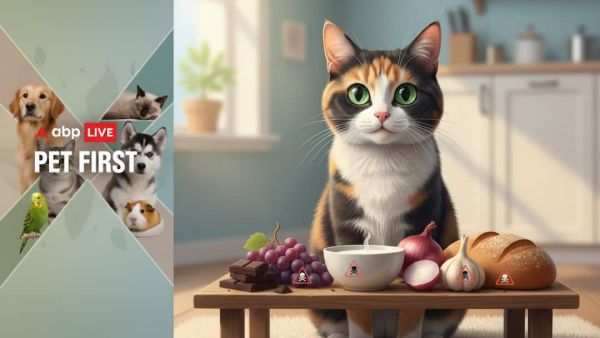
Cats may look adorable while begging for food, but sharing your meals with them can sometimes do more harm than good. Many common human foods that seem harmless to us can be toxic for cats and lead to serious health issues, including vomiting, organ damage, or even life-threatening conditions. As responsible pet parents, it’s crucial to know which foods to keep far away from your feline friend.
Here are 7 human foods that are dangerous for cats and should never be part of their diet.
1. Chocolate And Cocoa Products
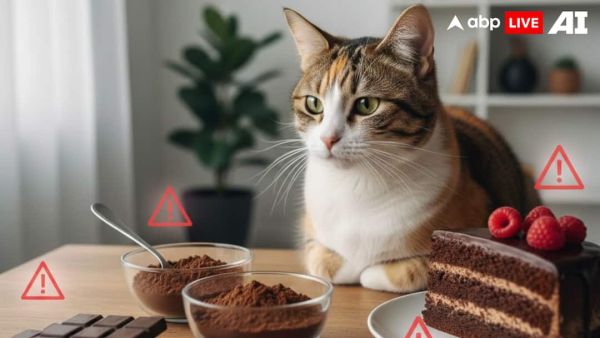
Chocolate is one of the most well-known toxic foods for pets, and cats are no exception. Chocolate contains theobromine and caffeine, both of which are harmful to cats because their bodies cannot metabolise these substances efficiently. Even a small amount can cause symptoms like vomiting, diarrhoea, rapid heartbeat, tremors, and restlessness. Dark chocolate and cocoa powder are especially dangerous due to their high theobromine content. In severe cases, chocolate poisoning can lead to seizures and heart problems. While cats are less likely than dogs to eat chocolate due to their taste preferences, accidental ingestion can still happen.
2. Onions, Garlic, And Chives
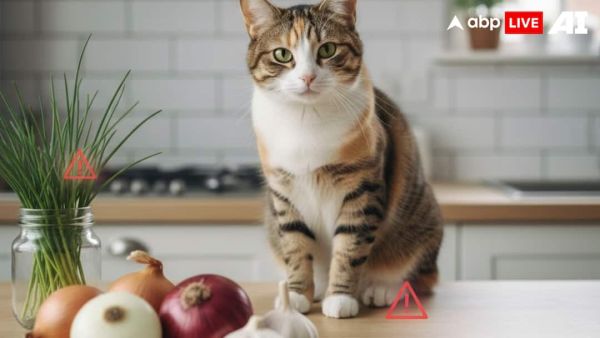
Onions, garlic, and chives belong to the Allium family and are highly toxic to cats. These foods can damage a cat’s red blood cells, leading to anaemia. Whether raw, cooked, powdered, or included in gravies and sauces, even small amounts can be harmful over time. Symptoms include weakness, lethargy, pale gums, vomiting, and loss of appetite. Many cat owners unknowingly feed leftovers that contain onion or garlic seasoning, which can be dangerous.
3. Grapes And Raisins
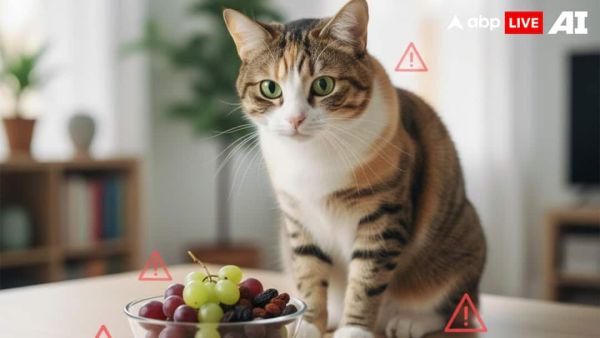
Grapes and raisins are known to cause kidney failure in dogs, and they can also be risky for cats. While cats are less likely to eat them, ingestion can still lead to vomiting, diarrhoea, lethargy, and potential kidney damage. The exact toxic substance in grapes and raisins is still unknown, making them unpredictable and dangerous. Even a small amount can cause severe reactions in some pets.
4. Milk And Dairy Products
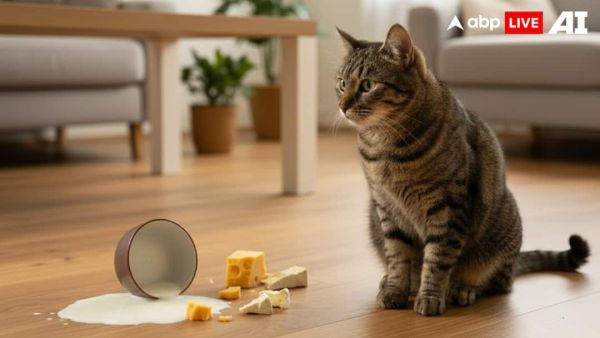
Many people believe that milk is a perfect treat for cats, but most adult cats are lactose intolerant. This means they lack the enzyme needed to digest lactose, which can lead to stomach upset, diarrhoea, bloating, and discomfort. Cheese, cream, and other dairy products can cause similar issues. While some cats may tolerate small amounts, regular consumption is not recommended. If you want to treat your cat, opt for lactose-free pet milk or specially formulated cat treats instead of regular dairy products.
5. Raw Eggs, Meat, And Fish
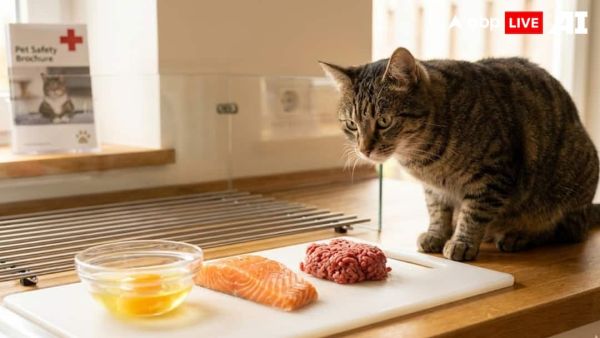
Raw eggs, meat, and fish may seem natural for cats, but they can contain harmful bacteria like Salmonella and E. coli, which can cause food poisoning. Raw egg whites also contain avidin, a protein that can interfere with biotin absorption and lead to skin and coat problems. Additionally, raw fish can contain enzymes that destroy vitamin B1 (thiamine), causing neurological issues. While cats are natural carnivores, their food should be properly cooked or specially formulated to ensure safety and balanced nutrition.
6. Alcohol And Fermented Foods
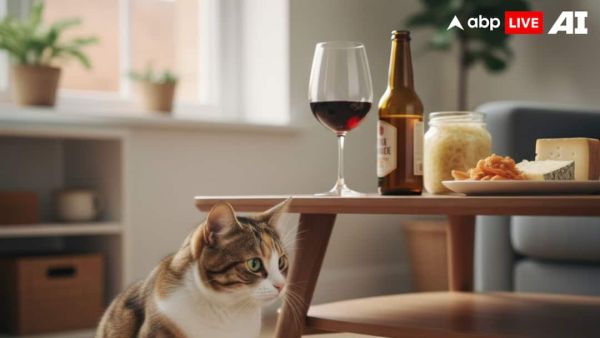
Alcohol is extremely toxic for cats, even in tiny amounts. Cats’ small bodies cannot process alcohol efficiently, and ingestion can cause vomiting, disorientation, breathing difficulties, and even coma or death. Fermented foods, alcoholic desserts, and beverages should never be shared with pets. Even licking spilled drinks can be dangerous. Always keep alcoholic products out of reach and ensure guests do not accidentally offer alcohol to your cat.
7. Artificial Sweeteners
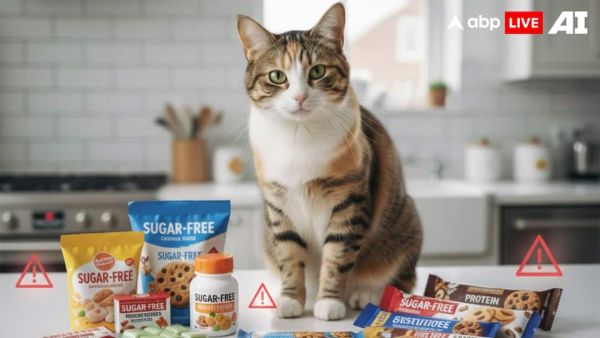
Xylitol is an artificial sweetener commonly found in sugar-free gum, candies, baked goods, and some peanut butter brands. While its effects on cats are less studied than in dogs, it is still considered dangerous and should be avoided. Xylitol can cause a sudden drop in blood sugar and potential liver issues. Other artificial sweeteners may also upset a cat’s digestive system. Always check labels before giving any human food to your cat and avoid sugar-free products entirely.
[Disclaimer: The information provided in this article is intended for general informational purposes only. It is not a substitute for professional veterinary advice, diagnosis, or treatment. Always consult a qualified veterinarian regarding your pet’s health, diet, or any medical concerns.]
-
WPL: 'Important To Strike Right Balance Between Training And Time Off,' Says RCB Head Coach Ahead Of Final

-
Prez Trump’s Big Blue Bruise Explained: Doctors Say This Could Be The Culprit

-
Sabarimala Gold Case: Actor Jayaram Questioned By SIT Over Chennai Rituals

-
Bomb Threat Forces IndiGo Flight From Kuwait To Delhi To Land In Ahmedabad

-
People Who Like Listening To Birds Usually Live More Peaceful Lives, According To Research