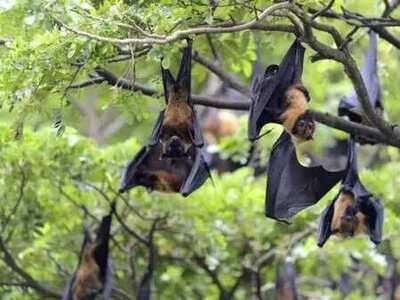
New Delhi, Jan 30: The World Health Organization (WHO) has stated that the risk of Nipah virus transmission is currently low, and there is no necessity for travel or trade restrictions. The organization is actively monitoring the situation regarding this dangerous virus in India.
According to the latest Epidemiological Bulletin from WHO, two cases of Nipah virus have been reported involving a male and female nurse, both 25 years old, who were employed at the same private hospital located in North 24 Parganas district of West Bengal.
The healthcare professionals began experiencing initial symptoms in the last week of December 2025, which quickly escalated to neurological issues. They were isolated in early January after confirmation of the virus.
In response, a comprehensive public health initiative was launched. A total of 196 individuals who had been in contact with the confirmed cases were identified, monitored, and tested. All contacts have shown no symptoms and tested negative for the Nipah virus, according to WHO.
"No further cases of Nipah have been identified at this time. The situation is under close observation," the organization stated, emphasizing that based on the current data, it does not recommend any travel or trade limitations.
Despite some countries implementing Covid-like screening at airports due to concerns about potential spread, the WHO has reiterated that the risk of transmission remains low.
“The WHO assesses the risk at a moderate level in West Bengal, considering the presence of fruit bat reservoirs near the India-Bangladesh border and the potential for sporadic zoonotic spillover. However, the overall national, regional, and global risk is low,” the organization added.
“The cases are limited to the North 24 Parganas district, with no travel reported while symptomatic. All identified contacts have tested negative, and measures for surveillance and infection prevention have been strengthened. The chance of spread to other Indian states or internationally is deemed low,” it further noted.
This marks the seventh recorded Nipah outbreak in India and the third in West Bengal, following previous outbreaks in Siliguri (2001) and Nadia (2007).
Nipah is a zoonotic disease primarily transmitted from bats to humans, either directly or through contaminated food sources.
It can also be transmitted from animals like pigs to humans, and in some instances, between people through close and prolonged contact, especially in healthcare environments.
In humans, Nipah virus infection can range from asymptomatic to severe respiratory illness and fatal encephalitis. The global case fatality rate is estimated to be between 40% and 75%, depending on early detection and the quality of clinical care.
Currently, there is no approved vaccine or specific treatment available for Nipah virus infection.
The WHO has advised measures to reduce bat-to-human transmission, including preventing bats from accessing date palm sap, boiling freshly collected sap, thoroughly washing and peeling fruits, discarding fruits showing signs of bat bites, and avoiding areas where bats roost.
-
NTA NIFTEE City Intimation Slip 2026 Issued At exams.nta.nic.in/NIFTEE; Exam On February 8
-
SSC MTS And CBIC Havaldar Examination 2025: City Intimation Slip Issued; Here's How To Download

-
Union Budget 2026 BIG UPDATE: From Cigarettes to FASTag, prices of these 5 things likely to change from February 1 | Full list here

-
Haryana Weather: Weather will change in Haryana from today, it will rain in these districts

-
India-US NISAR radar image maps Mississippi Delta