The World Health Organisation (WHO) has said it is closely monitoring recent Nipah virus cases reported in India but has ruled out the need for any travel or trade restrictions, stressing that the overall risk of transmission remains low.
In its latest epidemiological bulletin, the UN health agency confirmed two cases of Nipah virus infection in healthcare workers at a private hospital in West Bengal’s North 24 Parganas district. The patients, a 25-year-old woman and a 25-year-old man, both nurses at the same facility, developed initial symptoms in the final week of December 2025, which rapidly progressed to neurological complications.
The two were placed in isolation in early January after testing positive. Following confirmation, health authorities launched an extensive public health response, identifying and monitoring 196 people who had come into contact with the infected workers. The WHO said all identified contacts have remained asymptomatic and have tested negative for the virus.
“No additional Nipah cases have been detected so far, and the situation is being monitored,” the agency said, adding that based on current evidence it does not recommend any travel or trade restrictions.
The statement comes amid reports that some countries had begun Covid-style screening at airports over concerns about potential spread. The WHO reiterated that the risk of wider transmission remains limited.
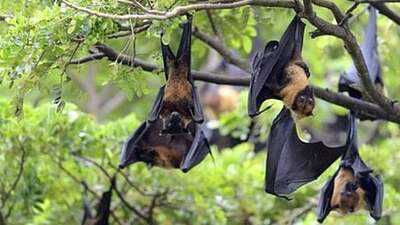
It assessed the risk at the sub-national level in parts of West Bengal as moderate, citing the presence of fruit bat reservoirs near the India–Bangladesh border and the possibility of sporadic spillover from animals to humans. However, it said the national, regional and global risk levels remain low.
First human trial for deadly Nipah virus vaccine begins in UKAccording to the WHO, the cases are confined to North 24 Parganas district, with no travel reported while the patients were symptomatic. Surveillance, infection prevention and control measures have been strengthened, and the likelihood of spread to other Indian states or internationally is considered low.
This is the seventh recorded Nipah outbreak in India and the third in West Bengal, following earlier incidents in Siliguri in 2001 and Nadia in 2007.
Nipah virus is a zoonotic disease primarily transmitted from bats to humans, either directly or through contaminated food. It can also spread from animals such as pigs to humans and, in certain circumstances, between people through close and prolonged contact, particularly in healthcare settings.
Human infection can range from mild or asymptomatic illness to severe respiratory disease and fatal encephalitis. Globally, the case fatality rate is estimated to be between 40 and 75 per cent, depending on early diagnosis and the quality of care.
There is currently no licensed vaccine or specific antiviral treatment for Nipah virus infection. The WHO has advised measures to reduce bat-to-human transmission, including preventing bats from accessing date palm sap, boiling freshly collected sap, thoroughly washing and peeling fruits, discarding fruit with signs of bat bites and avoiding areas where bats roost.
With IANS inputs
-
Is ITV's Devil in Disguise based on a real story?

-
Vaidehee Chaudhari granted wild card entry into main draw at 2026 Mumbai Open 125K Series

-
Novak Djokovic receives apology from Carlos Alcaraz behind scenes at Australian Open

-
WPL 2026: Gardner's 46, Wareham's 44 Not Out Takes GG To Competitive 167/4

-
Sainsbury's to make major change across 30 UK stores