Vaginal Breech Birth: Risks, Precautions, and What Expectant Moms Should Know
Pregatips | January 31, 2026 3:40 PM CST
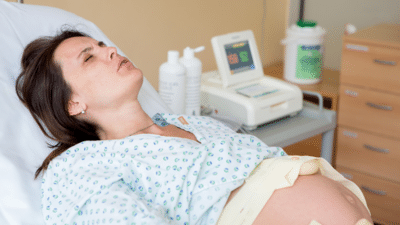
Learning your baby is still in a breech position towards the end of the pregnancy can be overwhelming. Especially, if it may change your birthing plans. A birth plan is one of the most important milestones of pregnancy. Most couples wish for a smooth labour and a normal delivery. Vaginal birth is preferred by most parents due to the various benefits it offers. Vaginal delivery allows faster recovery. However, a vaginal delivery may not always be the best and safest option.
But a breech baby does not always indicate a problem. With proper care and an experienced healthcare team, vaginal breech birth may be possible. However, it is important to remember that it is not suitable for every breech baby case. Understanding the risks and precautions will help expectant mothers make proper decisions along with their healthcare provider.
What Is a Breech Baby?A baby is said to be breech when it is in a bottom-first or feet-first position in the womb instead of a head-first position. In early pregnancy, it is normal for the baby to keep changing positions.
Between 36 and 37 weeks of pregnancy, most babies naturally turn into a head-down position, which is the safest position for a normal vaginal birth. However, sometimes, a baby may remain in a breech position close to the due date.
In such situations, a healthcare team will carefully understand and plan for the safest delivery option.
Confused by pregnancy or fertility advice online? Get clarity from experts at Times Future of Maternity 2026.
What Happens in a Vaginal Breech Birth?A vaginal breech birth involves extra care and close monitoring to keep both mother and baby safe. Your baby’s heartbeat will be continuously monitored during labour. A skilled obstetrician or experienced midwife will be present throughout the birth. Emergency facilities, anaesthesia services, and a paediatrician will also be available if prompt intervention is needed. These precautions help manage any unexpected complications promptly.
You may still have the same pain relief options as in a normal vaginal birth. If cordless or waterproof monitors are available, you may be able to move around or use a bath or shower for comfort. Your care team may recommend specific birthing positions to ensure safe assistance. If labour slows or difficulties arise, your doctor or midwife can help guide the birth. In some cases, an emergency caesarean section may be the safest option.
NOTE: If your baby is in breech position towards the end of your pregnancy, discuss your concerns with your doctor.
What Are the Risks of a Vaginal Breech Birth?Vaginal breech birth can be more complex than a head-first (normal) delivery. This is because the baby’s position changes how labour progresses and can increase certain risks. Understanding these risks helps parents make informed and confident decisions.
Some risks associated with vaginal breech birth include:
Umbilical cord compression or prolapse
When a baby is in breech, the umbilical cord may slip down before the baby or get pressed during labour. This can reduce the baby’s oxygen supply and may lead to breathing difficulties at birth. Cord prolapse is more common in breech births than in head-down deliveries.
Reduced oxygen supply (birth asphyxia)
Delays during delivery, especially while delivering the baby’s head, can reduce oxygen flow to the baby. This can cause distress and requires immediate medical attention.
Head entrapment
In a breech birth, the baby’s head is delivered last. The head is the largest part of the baby’s body. Sometimes, it may not pass easily through the birth canal. This can make delivery difficult. It also increases the risk of injury to the baby.
Birth injuries
Due to the baby’s position, there is a higher chance of injury to the baby’s neck, shoulders, arms, or spine. In some cases, the mother may also experience birth injuries.
Intracranial bleeding (bleeding inside the baby’s head)
Rapid pressure on the baby’s head during delivery may increase the risk of internal bleeding. This can especially happen if delivery is prolonged or difficult.
Premature rupture of membranes
The water bag may rupture early in breech presentations, increasing the risk of infection or cord prolapse.
When Vaginal Breech Birth May Be ConsideredDespite the risks, vaginal breech birth may be considered in carefully selected cases. It may be an option when:
When Vaginal Breech Birth Is Not AdvisedVaginal breech delivery is usually not advised in certain situations, including:
When Is a C-Section Recommended for Breech Babies?A planned caesarean section is often recommended for breech babies, especially in high-risk situations. It is the safest option for:
Learning your baby is in breech can be stressful. But remember, your healthcare team knows the best for you. While vaginal breech birth may be possible in some cases, it is always best to let your care team decide. Having open discussions with your healthcare provider is important to make informed decisions. Together, you can choose the option that prioritises the safety and well-being of both you and your baby.
Whether you’re pregnant, a new mom, or navigating postpartum, you don’t have to do it alone. Join our support group to connect, share, and support one another.
FAQs Vaginal Breech Birth: Risks, Precautions, and What Expectant Moms Should KnowCan walking turn a breech baby?
Walking may help encourage gentle movement. But it cannot guarantee that a breech baby will turn. Speak to your healthcare provider about techniques to turn a breech baby.
Are breech births painful?
No, breech births do not have to be painful. This is because the pain relief options for a breech birth remain the same. Speak to your healthcare provider about your pain relief options.
But a breech baby does not always indicate a problem. With proper care and an experienced healthcare team, vaginal breech birth may be possible. However, it is important to remember that it is not suitable for every breech baby case. Understanding the risks and precautions will help expectant mothers make proper decisions along with their healthcare provider.
What Is a Breech Baby?A baby is said to be breech when it is in a bottom-first or feet-first position in the womb instead of a head-first position. In early pregnancy, it is normal for the baby to keep changing positions.
Between 36 and 37 weeks of pregnancy, most babies naturally turn into a head-down position, which is the safest position for a normal vaginal birth. However, sometimes, a baby may remain in a breech position close to the due date.
In such situations, a healthcare team will carefully understand and plan for the safest delivery option.
Confused by pregnancy or fertility advice online? Get clarity from experts at Times Future of Maternity 2026.
What Happens in a Vaginal Breech Birth?A vaginal breech birth involves extra care and close monitoring to keep both mother and baby safe. Your baby’s heartbeat will be continuously monitored during labour. A skilled obstetrician or experienced midwife will be present throughout the birth. Emergency facilities, anaesthesia services, and a paediatrician will also be available if prompt intervention is needed. These precautions help manage any unexpected complications promptly.
You may still have the same pain relief options as in a normal vaginal birth. If cordless or waterproof monitors are available, you may be able to move around or use a bath or shower for comfort. Your care team may recommend specific birthing positions to ensure safe assistance. If labour slows or difficulties arise, your doctor or midwife can help guide the birth. In some cases, an emergency caesarean section may be the safest option.
NOTE: If your baby is in breech position towards the end of your pregnancy, discuss your concerns with your doctor.
What Are the Risks of a Vaginal Breech Birth?Vaginal breech birth can be more complex than a head-first (normal) delivery. This is because the baby’s position changes how labour progresses and can increase certain risks. Understanding these risks helps parents make informed and confident decisions.
Some risks associated with vaginal breech birth include:
Umbilical cord compression or prolapse
When a baby is in breech, the umbilical cord may slip down before the baby or get pressed during labour. This can reduce the baby’s oxygen supply and may lead to breathing difficulties at birth. Cord prolapse is more common in breech births than in head-down deliveries.
Reduced oxygen supply (birth asphyxia)
Delays during delivery, especially while delivering the baby’s head, can reduce oxygen flow to the baby. This can cause distress and requires immediate medical attention.
Head entrapment
In a breech birth, the baby’s head is delivered last. The head is the largest part of the baby’s body. Sometimes, it may not pass easily through the birth canal. This can make delivery difficult. It also increases the risk of injury to the baby.
Birth injuries
Due to the baby’s position, there is a higher chance of injury to the baby’s neck, shoulders, arms, or spine. In some cases, the mother may also experience birth injuries.
Intracranial bleeding (bleeding inside the baby’s head)
Rapid pressure on the baby’s head during delivery may increase the risk of internal bleeding. This can especially happen if delivery is prolonged or difficult.
Premature rupture of membranes
The water bag may rupture early in breech presentations, increasing the risk of infection or cord prolapse.
When Vaginal Breech Birth May Be ConsideredDespite the risks, vaginal breech birth may be considered in carefully selected cases. It may be an option when:
- The baby is in a complete or bottom-first breech position
- The mother’s pelvis is adequate
- There is no previous caesarean delivery
- Labour progresses naturally
- Skilled and experienced healthcare professionals are present
When Vaginal Breech Birth Is Not AdvisedVaginal breech delivery is usually not advised in certain situations, including:
- Footling breech position
- Previous caesarean section
- Narrow maternal pelvis
- Preeclampsia or other serious pregnancy conditions
- Baby’s neck tilted far backward
- Baby is much larger or smaller than average
- Low-lying placenta
When Is a C-Section Recommended for Breech Babies?A planned caesarean section is often recommended for breech babies, especially in high-risk situations. It is the safest option for:
- Double footling breech
- Very large babies
- Narrow pelvis
- Transverse (sideways) baby position
Learning your baby is in breech can be stressful. But remember, your healthcare team knows the best for you. While vaginal breech birth may be possible in some cases, it is always best to let your care team decide. Having open discussions with your healthcare provider is important to make informed decisions. Together, you can choose the option that prioritises the safety and well-being of both you and your baby.
Whether you’re pregnant, a new mom, or navigating postpartum, you don’t have to do it alone. Join our support group to connect, share, and support one another.
FAQs Vaginal Breech Birth: Risks, Precautions, and What Expectant Moms Should Know
Walking may help encourage gentle movement. But it cannot guarantee that a breech baby will turn. Speak to your healthcare provider about techniques to turn a breech baby.
No, breech births do not have to be painful. This is because the pain relief options for a breech birth remain the same. Speak to your healthcare provider about your pain relief options.
READ NEXT
-
India A vs USA: How to Buy T20 World Cup 2026 Warm-Up Match Tickets

-
F1 2026 Barcelona Shakedown Conclusion: Hamilton Tops Timesheets As Ferrari And Mercedes Show Might

-
Tirupati Laddu Row: Andhra Minister Claims Previous Govt Suppressed Test Results; CBI Says No Beef Tallow Found

-
Elise Mertens And Zhang Shuai Capture Australian Open Women's Doubles Crown In Thrilling Final

-
Assam: Govt School Principal Arrested For Alleged Sexual Abuse Of Student During Saraswati Puja Celebrations