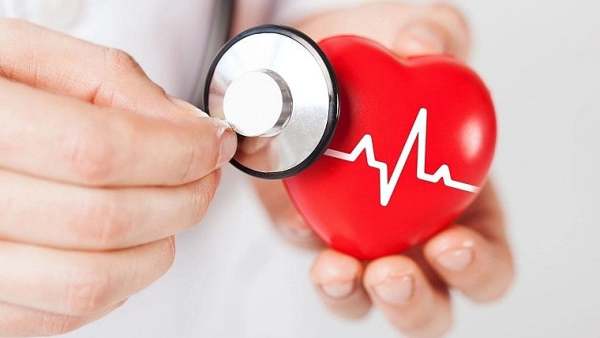
Researchers at Delhi University’s Miranda House have developed an indigenous portable bio-sensor, BioFET, to detect early heart attack risks among soldiers in extreme cold. Built with DRDO, the chip analyses blood biomarkers linked to clotting, enabling quick on-site assessment. The prototype is handed over to DRDO for field trials.
New Delhi: Researchers from the physics department at Miranda House College, University of Delhi, have developed an indigenous bio-technological sensor that could help detect the risk of heart attacks among soldiers deployed in extreme cold climates, officials said on Friday.
The chip, developed in collaboration with the Defence Research and Development Organisation (DRDO), is designed to identify early warning signs by analysing changes in blood biomarkers linked to clot formation.
Faculty members involved in the project said the portable device, named BioFET, took nearly five years to design, and can quickly detect critical biomolecules in a small blood serum sample, allowing swift assessment rather than laboratory testing.
"Soldiers stationed in high-altitude Himalayan areas are especially vulnerable to blood thickening and sudden clotting due to prolonged exposure to sub-zero temperatures, increasing the risk of unexpected cardiac events," one of the researchers said.
"We are under a non-disclosure agreement with the DRDO. Our job was to lead the research and prepare a prototype, and the final product will be delivered by the DRDO," a faculty member said, adding that proper field trials are yet to be conducted to determine the efficacy of the sensor.
The researchers said the sensor enables on-the-spot testing, with results displayed against calibrated safety thresholds, helping medical teams decide whether immediate evacuation or intervention is needed. The chip is compact and easy to carry, though it requires basic ambient conditions to function accurately.
According to researchers, this will significantly reduce costs and reliance on imported equipment. The prototype has been handed over to DRDO for trials, they said.
Faculty members said if the device performs well in field testing, it could become an important tool for safeguarding health of military personnel in harsh operational environments.
(Except for the headline, this article has not been edited by FPJ's editorial team and is auto-generated from an agency feed.)
-
Brits gobsmacked over real reason London Underground gets so hot

-
"DMK does what it promises and promises only what it can deliver": Tamil Nadu CM MK Stalin

-
Budget FY27: FM may unveil measures to steady growth, boost manufacturing, jobs

-
Worst 10 areas in England for Victorian disease as cases explode - full list
-
Worst 10 areas in England for Victorian disease as cases explode - full list