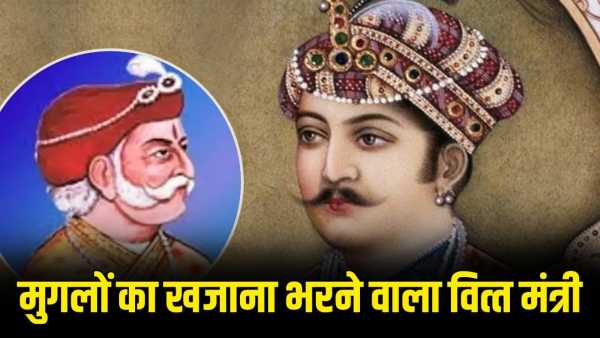
Raja Tadarmal was not only the finance minister of the Mughal Sultanate but also a skilled commander.
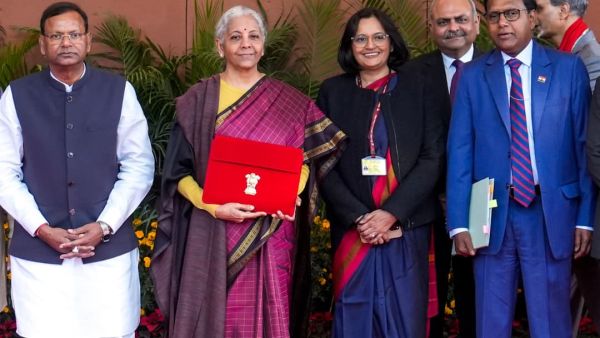
Finance Minister Nirmala Sitharaman will present the budget today. Today, when there are so many resources, the budget is like a big task for the government. In such a situation, the question arises that what was the financial system of the Mughals like? Did the Emperor himself manage or did he also entrust the responsibility of Finance Minister to someone like today? A peek into history shows that there was no such well-organized system during the tenure of Babar and Humayun. Because Babar died before he could create any system. Humayun's entire life passed between struggle, exile and return to power. Just as Humayun's rule was becoming stable, he suddenly died after falling down the stairs. But Akbar had formally entrusted this responsibility to Raja Todar Mal, one of his Navaratnas.
Raja Todar Mal's role as Finance Minister (Diwan-e-Ashraf) in the court of Mughal Emperor Akbar is considered a milestone in financial management in Indian history. When the budget of modern India is going to be presented on February 1, it becomes relevant to remember the foresight of Todar Mal and his Dahsala system.
Who was the financial architect of the Mughal Empire?
Whenever it comes to efficient administration and accurate financial management in Indian history, the name of Raja Todar Mal comes at the top. One of Akbar's Navratnas, Todar Mal was not just a minister but a visionary economist who gave a new direction to the economy of medieval India. The biggest feature of his working style was that he kept track of every penny, which led to an unprecedented increase in the income of the empire.
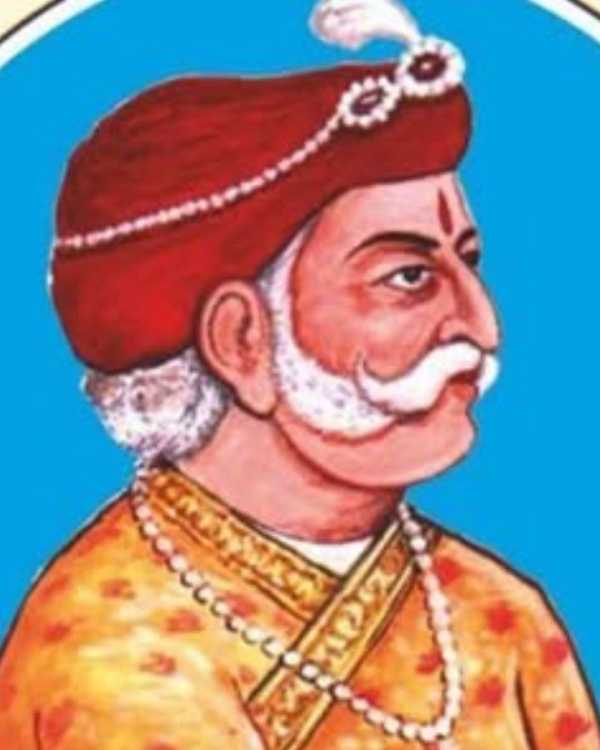
Raja Todarmal.
Finance Minister came from the enemy's court
Raja Todar Mal was born in Laharpur (Sitapur) of Uttar Pradesh. Before coming to Akbar's court, he had worked under his enemy Sher Shah Suri. Sher Shah Suri himself was known for administrative reforms and snatched the Mughal Sultanate from Akbar's father Humayun.Todar Mal learned the nuances of land measurement and revenue collection from there. When he came into the service of Akbar, he adapted his old experiences to the vastness of the Mughal Empire and implemented a new system.
Dahsala System: The Master-Stroke of Financial Management
The greatest achievement of Todar Mal was the Dahsala System or Jabti system, which was implemented in 1580 AD. This system eliminated the uncertainty in revenue collection. Under this system, crop yields and their prices for the last ten years (1570-1580) were carefully analyzed. Revenue (tax) was determined on the basis of this average.
Todar Mal introduced the use of Jarib (a unit of measurement made by connecting bamboo sticks with iron rings) for measuring land. Before this, rope was used, which increased or decreased according to the weather. Accurate measurement eliminated the scope for corruption.
He classified the land. This justified the tax burden on the farmers and also ensured the income of the state. He divided the land into the following four categories on the basis of productivity.
- Polaj: On which farming was done every year.
- Parauti: Which was left empty for one or two years to regain fertility.
- Chachar: Which was left vacant for three-four years.
- Barren: Which was not cultivable for five years or more.
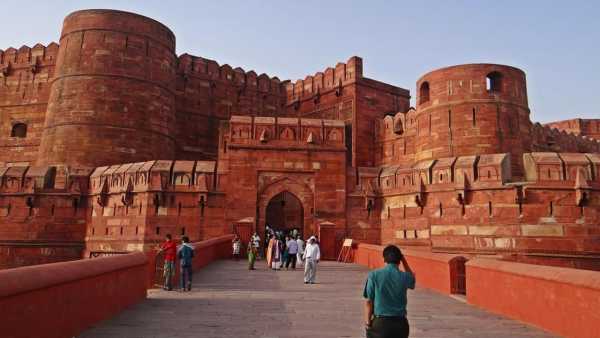
Agra Fort.
Account of every penny and transparency
Transparency was paramount in the management of Todar sewage. He made strict rules for revenue officials (like Kanungo and Patwari). Detailed records of every district and pargana were kept. He standardized the record-keeping process by making Persian the official language, which reduced manipulation at the local level. His system was so precise that in case of famine or crop failure, there was a provision for giving loans (Taqavi) and tax waiver to the farmers. This was an early form of crop insurance or relief package similar to today's.
Modern Budget and Relevance of Todar Mal
Today, when the Indian government presents a budget, it follows the same elements that Todar Mal adopted centuries ago: revenue estimation, expenditure allocation and data-based decision making. Todar Mal taught that for a strong economy, mere collection of taxes is not enough, but scientific assessment of the capacity and resources of the tax-paying public is also necessary.
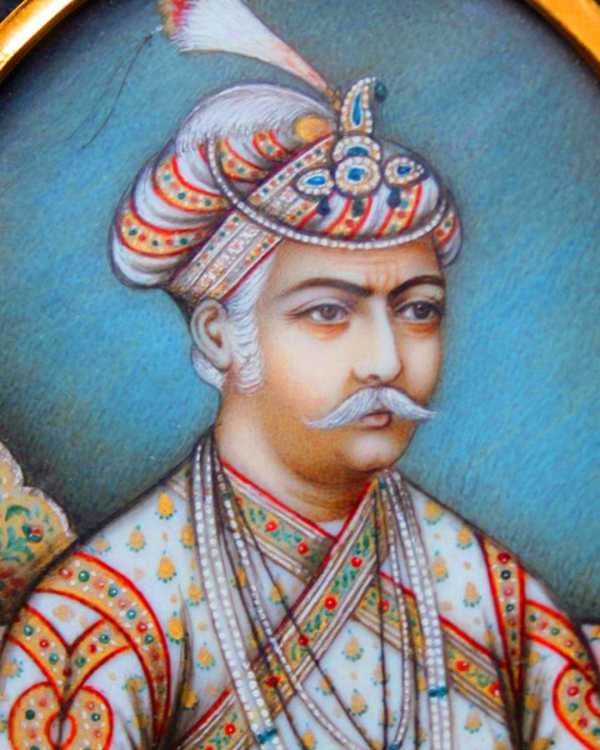
Mughal Emperor Akbar.Photo: Getty Images
Not only the finance minister, he was also a skilled commander.
Todar Mal was not limited to papers only. He was also a skilled commander. He showed his bravery in the campaigns of Gujarat and Bengal. Akbar also appreciated his administrative abilities, which was why he was given the high post of Mushrif-e-Diwan.
Thus we find that the financial management of Raja Todar Mal was not just a technique of tax collection, but it was a model of good governance. He laid the foundation of a system that made the Mughal Empire so economically prosperous that it came to be counted among the largest economies of the world. Even in today's times, when we talk about financial inclusion and digital records, Todar Mal's honesty in accounting for every penny and his scientific thinking is a source of inspiration for us.
-
Pakistan: 15 soldiers, 92 militants killed in Balochistan operations

-
Octogenarian woman who urged Hizbul Mujahideen son to surrender dies

-
Commercial LPG cylinder prices rise by Rs 49 from Feb 1
-
No T20 World Cup? Bangladesh Create New Tournament To Keep Players Engaged
-
Union Budget 2026: Nirmala Sitharaman Wears Deep Plum Kanjivaram Saree For Her Ninth Budget Presentation