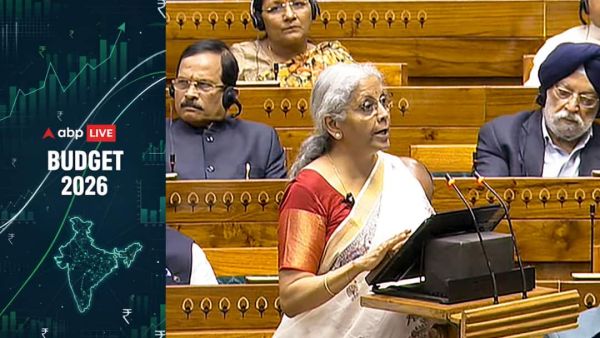
For the first time since Independence, India’s Union Budget will be presented on a Sunday, marking a rare break from decades of parliamentary and fiscal convention. Finance Minister Nirmala Sitharaman is scheduled to table the Union Budget for 2026–27 in the Lok Sabha at 11 am on February 1, a date and day that together make this year’s exercise unprecedented in the country’s budgetary history.
While Budget Day has seen several reforms over the years—ranging from changes in timing to shifts in the calendar—never before has the presentation fallen on a Sunday. The move underscores how India’s fiscal processes have gradually adapted to domestic priorities rather than inherited conventions.
A Look Back At 1999 Precedent
Whenever unusual Budget dates are discussed, the 1999 Union Budget inevitably comes up. At the time, Budgets were customarily presented on the last working day of February. In 1999, February 28 happened to be a Sunday, but instead of presenting the Budget on a holiday, then Finance Minister Yashwant Sinha chose February 27, a Saturday, as per NDTV.
That Budget became a milestone for another reason as well. Until then, Union Budgets were delivered in the evening, typically around 5 pm, a legacy of colonial-era practices designed to align announcements with business hours in London. Sinha broke away from that system by presenting the Budget at 11 am, signalling that India no longer needed to structure its fiscal calendar around British time zones. The shift also gave Parliament more hours on the same day to debate the proposals, setting a precedent that continues to this day.
Why February 1 Became Budget Day
Another major reform came much later, in 2017, when the government advanced Budget Day from the end of February to February 1. The objective was administrative efficiency. Presenting the Budget earlier gave Parliament adequate time to scrutinise and approve spending plans before the new financial year begins on April 1, as per reports.
Under the earlier schedule, delays in passing the Budget often disrupted the rollout of schemes and projects. The February 1 timeline allowed ministries and departments to begin implementing allocations right at the start of the financial year, making governance smoother and more predictable.
-
Learn from Upasana Kamineni when to decide to become a mother, these 3 major points are important

-
Can diabetes be controlled by sunlight?

-
Don’t Wait For Samsung Galaxy S26 Buy Galaxy S24 With Triple Camera, AI Features And Powerful Processor At Just Rs…

-
Apple becomes number 1 in premium smartphone race, 7 iPhones in top-10 best selling smartphones

-
Redmi Note 15 Pro+ vs Realme 16 Pro+: Display, battery, camera, processor and AI features compared in Rs 50,000 price segment; which should you buy? | Technology News