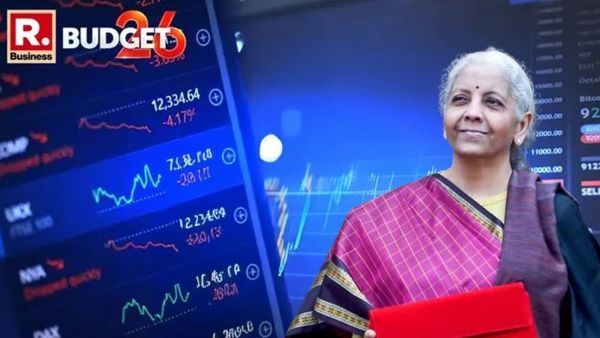
New Delhi: The Union Budget 2026–27, presented by Finance Minister Nirmala Sitharaman, is a balanced mix of "Kartavya" (duty) and "Vikas" (progress).
Expectations are high, especially among the middle class, as people hope for relief from inflation and some tax benefits. Some items may become cheaper after the budget, while others could turn costlier.
Check how the 2026 Budget will change your cost of living and investing.
Union Budget 2026 Headlines
— Republic (@republic) February 1, 2026
Tune in to WATCH #BudgetWithArnab LIVE - https://t.co/POXBhGPG55#UnionBudget2026 #Budget2026 #NirmalaSitharaman #NirmalaSitharamanBudgetSpeech #SitharamanSpeechLIVE #IncomeTax #UnionBudget #IndianEconomy #ArnabGoswami #ViksitBharat pic.twitter.com/YrsipwFMFt
What Gets Cheaper?
The government is expected to focus strongly on boosting ‘Make in India’ and increasing the purchasing power of consumers.
Here’s a look at what may become cheaper and what could get more expensive after Budget 2026.
1. Housing & Insurance:
There is strong momentum toward increasing the home loan interest deduction from ₹2 lakh to ₹5 lakh, which would significantly lower the cost of homeownership.
2. Mobile Phones & Electronics:
Prices for smartphones, TVs, and refrigerators are expected to drop. By reducing customs duties on critical components like camera modules and display panels, the government is making "Made in India" electronics more competitive.
3. Green Energy & Mobility:
To push the "Net Zero" agenda, Solar panels and EV batteries are seeing duty relief. This makes transitioning to a greener lifestyle, whether through home solar setups or electric scooters, significantly cheaper.
4. International Shopping:
For those who shop online from global stores or travel abroad, the customs duty on goods imported for personal use has been halved from 20% to 10%.
5. Everyday Essentials:
Leather products and sports equipment are also on the list of items getting a price cut due to rationalised import duties.
6. Healthcare & Life-Saving Support:
In a compassionate move, treatment costs for critical illnesses are set to fall due to duty cuts on cancer medicines and high-end medical equipment.
#BudgetWithArnab | "Union Budget 2026 is historic and envisioned for New India. #ReformExpress will take India to 2047. It reflects empowered presence of Indian women: PM Modi on Union #StabilityBudget 2026
— Republic (@republic) February 1, 2026
WATCH the sharpest #Budget2026 analysis with Arnab and team LIVE here -… pic.twitter.com/D22HaYQXE9
What Gets Costlier?
The government's 'sankalp' is to focus on the poor, underprivileged, and disadvantaged.
1. Stock Market Trading (F&O):
This is perhaps the biggest "cost" in the 2026 Budget. To curb excessive speculation, the Securities Transaction Tax (STT) on Futures has been hiked to 0.05%, and the tax on Options premium has jumped from 0.10% to 0.15%. Day traders and speculators will feel this hit immediately.
2. Alcohol & Sin Goods:
In line with traditional revenue-raising measures, alcohol and certain tobacco products are expected to cost more as tax structures are revised.
3. Luxury Goods:
While personal imports for the common man are cheaper, high-end luxury items such as imported watches, designer footwear, and high-end cosmetics are likely to incur customs duties.
4. Share Buybacks:
If you are an investor, be aware that income from share buybacks will now be taxed as Capital Gains in the hands of the recipient, effectively ending a popular tax-arbitrage route for companies.
5. Premium Transport:
Foreign-made cars (CBUs) will remain a luxury of the few, as taxes on imported vehicles are expected to stay high or increase further.
6. Precious Metals:
Any upward revision in import duties could make gold and silver jewellery more expensive, impacting both traditional savings and wedding budgets.
#BudgetWithArnab | Finance Minister Nirmala Sitharaman explains 3 broad 'Kartavyas' that guided Union Budget 2026 aiming at delivering a 'Yuva Shakti Budget' focused on empowering youth#UnionBudget2026 #Budget2026 #NirmalaSitharaman #NirmalaSitharamanBudgetSpeech… pic.twitter.com/gLARbqjPRt
— Republic (@republic) February 1, 2026
Tax Relief and Savings
While there are no changes in income tax slabs, the FM has promised a smoother experience with the New Income Tax Act, effective April 1, 2026.
The focus here is on "simplified compliance" rather than direct rate cuts, meaning you might not pay less tax, but you’ll spend less time and money filing it.
A significant shift in the New Tax Regime, potentially pushing the near-zero tax bracket for incomes up to ₹15 lakh.
Furthermore, an increase in the Standard Deduction from ₹75,000 to ₹1,00,000 would offer an immediate boost to disposable income.
These measures represent a "Yuva Shakti" approach, putting more money into the hands of the people to fuel the economy.
-
Andrew has just shamed the Royal Family and Britain - there's only one thing left to do
-
Dhurandhar's Netflix Release Confirms A Wild Rumour About Ranveer Singh; Check It Out

-
GB News issues breaking news alert - and it's major blow to Keir Starmer
-
What happened at Grammy Awards 2026 - Trump fury, naked celebs and Ozzy Osbourne tears

-
SC orders Centre to set up tribunal for Pennaiyar river dispute